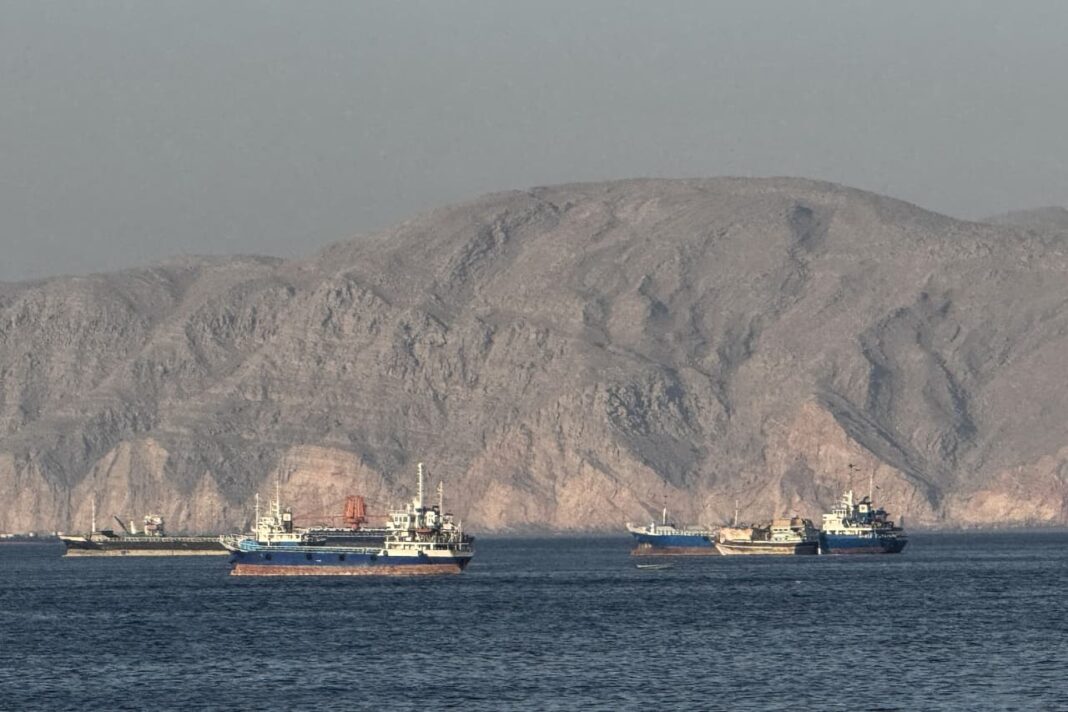
Oil prices climbed after a vessel reported being struck by an unknown projectile in the Strait of Hormuz, a critical chokepoint for global crude shipments. The United Kingdom Maritime Trade Operations Center said the ship was hit in the waterway, raising concerns about supply disruptions in one of the world’s most vital oil transit routes.
The incident adds to heightened tensions in the region, where shipping traffic has faced periodic threats in recent months. Traders reacted quickly, pushing benchmark prices higher as they weighed the potential for further escalation.
The Strait of Hormuz handles roughly one-fifth of global oil consumption, making any disruption a significant risk for energy markets. Analysts noted that even a brief halt in traffic could ripple through supply chains and affect prices worldwide.
Details about the vessel and the nature of the projectile remain unclear. The UK Maritime Trade Operations Center did not immediately confirm the extent of damage or any injuries, but advised ships to exercise caution in the area.
Maritime security experts say attacks on commercial vessels in the strait are rare but not unprecedented. The waterway has been a flashpoint for geopolitical friction, with military forces from several nations patrolling its waters.
Oil prices had been under pressure earlier in the session before the report emerged. The sudden shift underscores how sensitive crude markets remain to geopolitical events, especially in regions central to global supply.
Investors are now watching for further updates from shipping authorities and any response from regional powers. A prolonged disruption could force refiners and importers to seek alternative routes, which would raise costs and potentially tighten supply.
The broader market impact will depend on whether the incident remains isolated or triggers broader military action. For now, the oil complex is trading on uncertainty, with volatility likely to persist until more information is available.