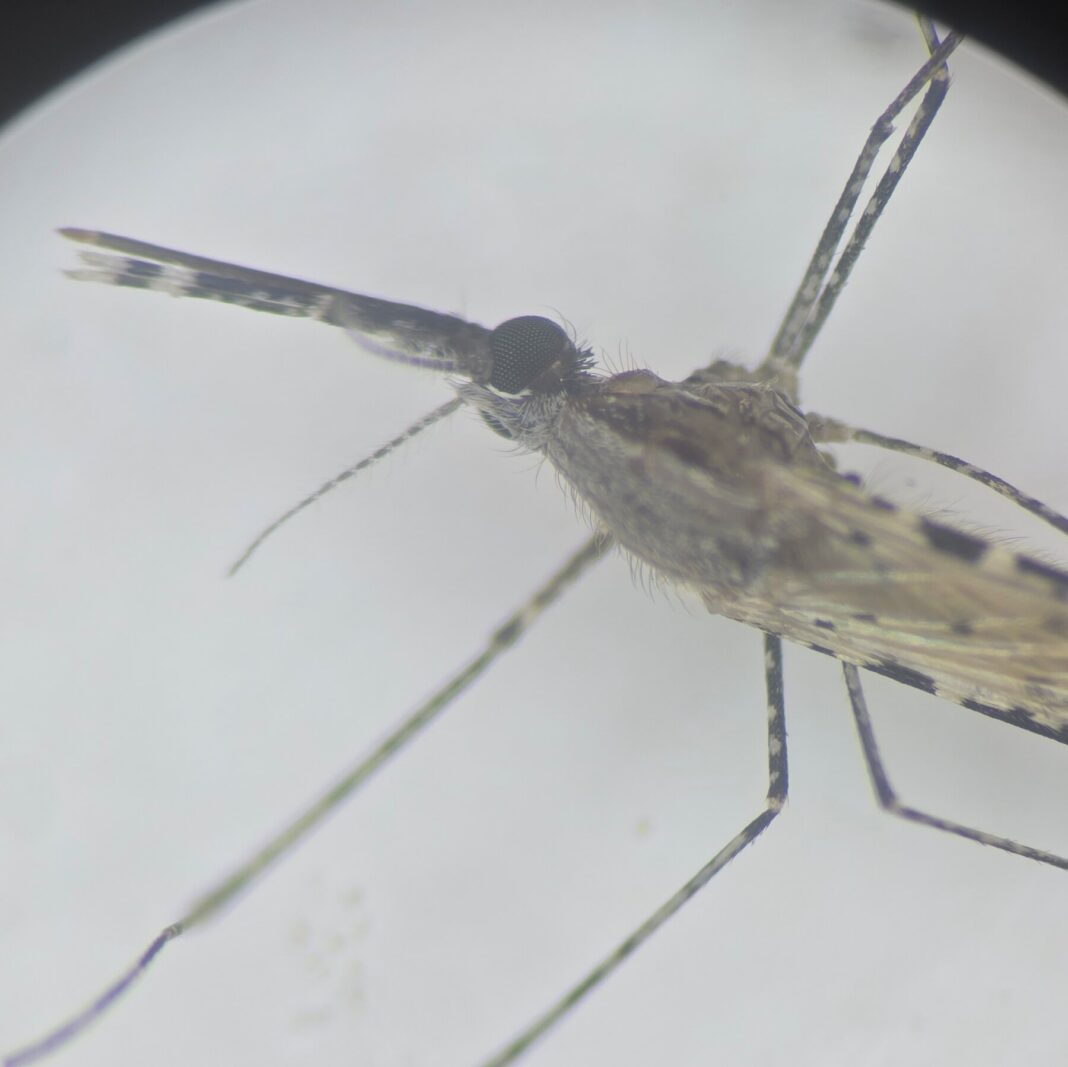
An invasive mosquito species is spreading rapidly across Africa’s urban centers, raising concerns among scientists and public health officials. The insect, *Anopheles stephensi*, carries malaria and has demonstrated resistance to every major insecticide currently in use. Researchers are now racing to develop new strategies to limit its impact before it triggers widespread outbreaks.
Unlike traditional malaria vectors in Africa, which thrive in rural areas, this mosquito has adapted to city environments. It breeds in man-made containers, including water storage tanks, tires, and discarded plastic, making urban areas particularly vulnerable. The species has already been detected in several countries, alarming experts who once considered African cities largely safe from malaria transmission.
The insect’s insecticide resistance complicates existing control measures. Standard tools, including bed nets and indoor spraying, have proven less effective against this species due to its outdoor biting habits and daytime activity. Health officials have noted that current interventions are not designed to address the behavioral patterns of this new threat.
Scientists are investigating alternative approaches, including biological controls and genetic modification. Some research focuses on introducing bacteria that prevent the mosquito from carrying the parasite. Other teams are studying population suppression techniques that could reduce breeding numbers. Field trials remain limited due to regulatory hurdles and the need for long-term safety assessments.
Urbanization and climate change may accelerate the mosquito’s spread. Expanding cities create ideal breeding habitats, while warmer temperatures expand the geographic range where the species can survive. Projections suggest that major metropolitan areas in West and East Africa could face sustained malaria transmission within the next decade if current trends continue.
Local governments are improving surveillance systems to track the species and identify hotspots early. Better data collection allows for more targeted responses in areas where the mosquito has become established. Community engagement efforts are also underway to eliminate standing water and reduce breeding sites at the household level.
Funding for malaria control in Africa has plateaued in recent years, limiting the capacity to adapt to this emerging threat. Global health agencies are urging donor nations to increase support for research and urban mosquito control. Without additional resources, health systems may struggle to contain the spread.
The potential consequences extend beyond public health. Increased malaria cases could strain hospitals, reduce workforce productivity, and deepen poverty in affected areas. Researchers stress that immediate action is necessary to prevent a crisis that could reverse decades of progress against the disease across the continent.