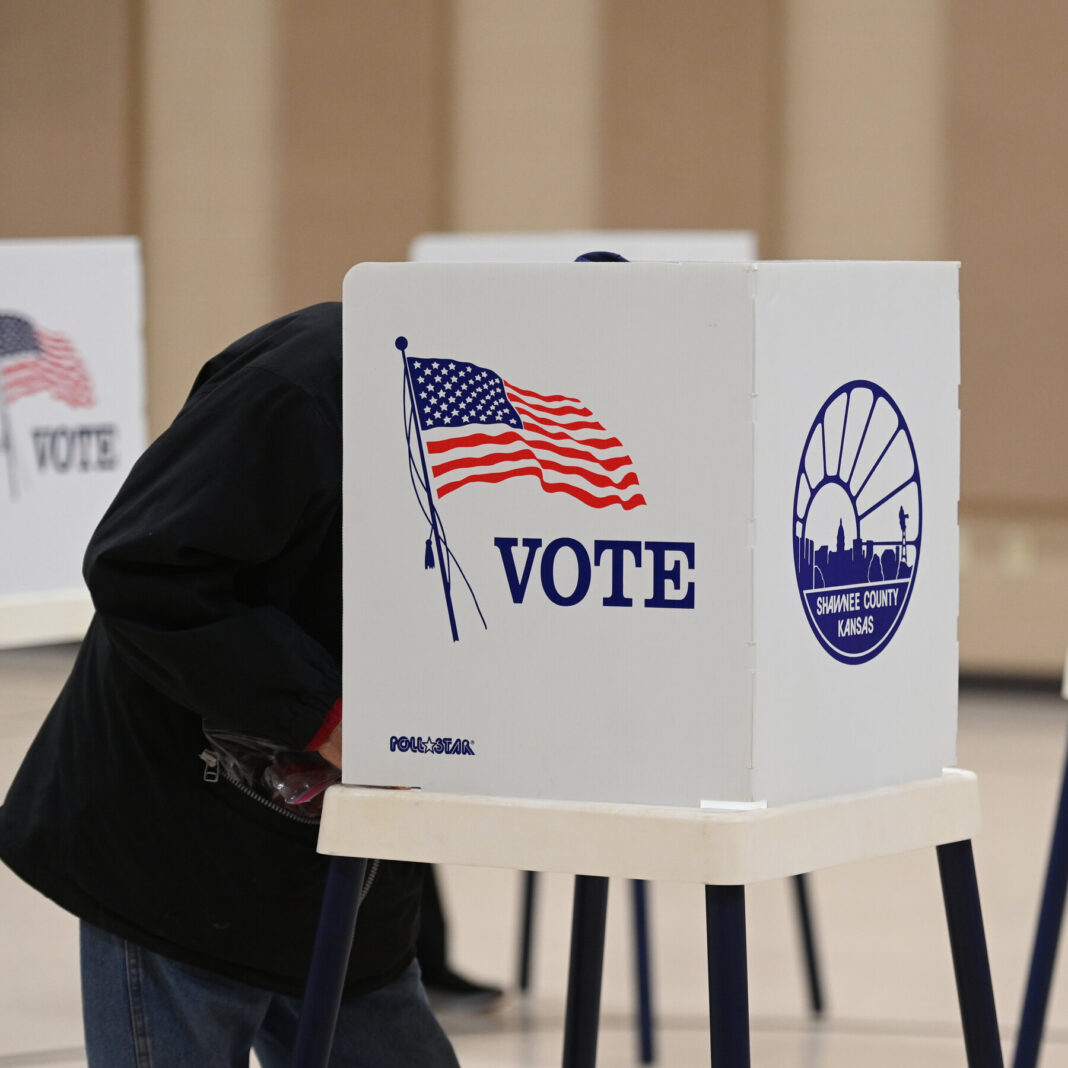
Kansas voters head to the polls Tuesday in primaries that will set the stage for a November battle over the governor’s mansion. Republicans view the race as their strongest opportunity this cycle to capture a Democratic-held governorship. The outcome will test the party’s ability to consolidate support in a state that has trended red in federal elections but has backed a Democrat for governor twice.
The Democratic incumbent faces a clear path to renomination with no significant primary opposition. Her campaign has focused on economic growth and public school funding, hoping to appeal to moderate voters in the general election. Republican strategists, however, argue that national headwinds and voter frustration over inflation give them a distinct advantage this year.
Four Republicans are competing for the nomination, ranging from a conservative state senator to a business executive with self-funding capabilities. The front-runner has secured endorsements from prominent national figures, while a rival draws support from grassroots conservative groups. The primary has become a test of whether the party’s base favors an establishment-backed candidate or a more hard-line challenger.
A key issue in the Republican contest is education policy, with candidates differing on school choice and funding formulas. Another dividing line involves tax cuts, as some propose eliminating the state income tax entirely, a move critics warn would slash essential services. The eventual nominee will need to unify these factions to compete effectively in the fall.
Down-ballot races also carry weight, including a contested primary for attorney general that has drawn national attention. Candidates in that race have sparred over election integrity and crime policy, reflecting broader partisan divides. A competitive secretary of state primary features a similar dynamic, with one candidate promoting stricter voting rules.
Turnout will likely be a deciding factor, as primaries in Kansas historically attract a small, engaged electorate. Early voting data suggests a modest increase compared to past midterm cycles, though officials caution against overinterpreting the numbers. Both parties’ operatives are watching suburban precincts, where shifting loyalties could signal wider trends.
The general election matchup will become clearer by late Tuesday evening. A Republican victory in November would mark a significant pickup for the party, while a Democratic hold would reinforce the strength of moderate crossover voting in the state. Analysts agree that the race will hinge on the eventual nominee’s ability to appeal beyond the party’s base.