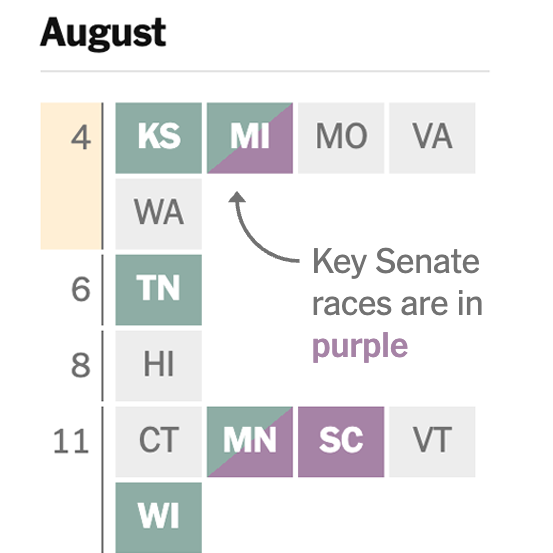
As the 2026 midterm election cycle kicks into high gear, voters across the country are looking for the exact dates of their state’s primary elections. These contests determine which candidates will represent the major parties on the November ballot. The schedule varies widely, with some states holding primaries as early as March and others waiting until September.
The primary calendar is not a single national event but a patchwork of state-specific rules and dates. This year, several states have moved their primaries to consolidate with other elections or to comply with new voting laws. Voters should confirm their registration status and requested ballot type long before the deadline approaches.
Michigan and Virginia are hosting notable primaries this August, drawing national attention due to competitive races in key districts. These states often serve as bellwethers for broader political trends heading into the general election. Their results will likely shape campaign strategies for the fall.
Most states now offer multiple ways to participate, including early in-person voting and mail-in ballots. The availability of these options depends on state law, and deadlines for requesting an absentee ballot can be strict. Voters are advised to check their local election office website for the most accurate and up-to-date information.
For those unsure of their polling location or registration status, state-run voter portals provide a centralized resource. It is important to note that some states require voters to register with a party affiliation to participate in that party’s primary. Independent voters may have limited options depending on whether the primary is open, closed, or semi-closed.
The 2026 calendar also includes several runoff elections, which occur when no candidate secures a majority in the initial primary. These runoffs are typically scheduled a few weeks after the main primary date. Voters in affected states should be prepared for a second trip to the polls if necessary.
Election officials are encouraging all eligible citizens to plan ahead and mark their calendars now. Missing a primary deadline effectively silences a voter’s voice in candidate selection. The full list of dates and relevant state-specific details is available through official state election resources.