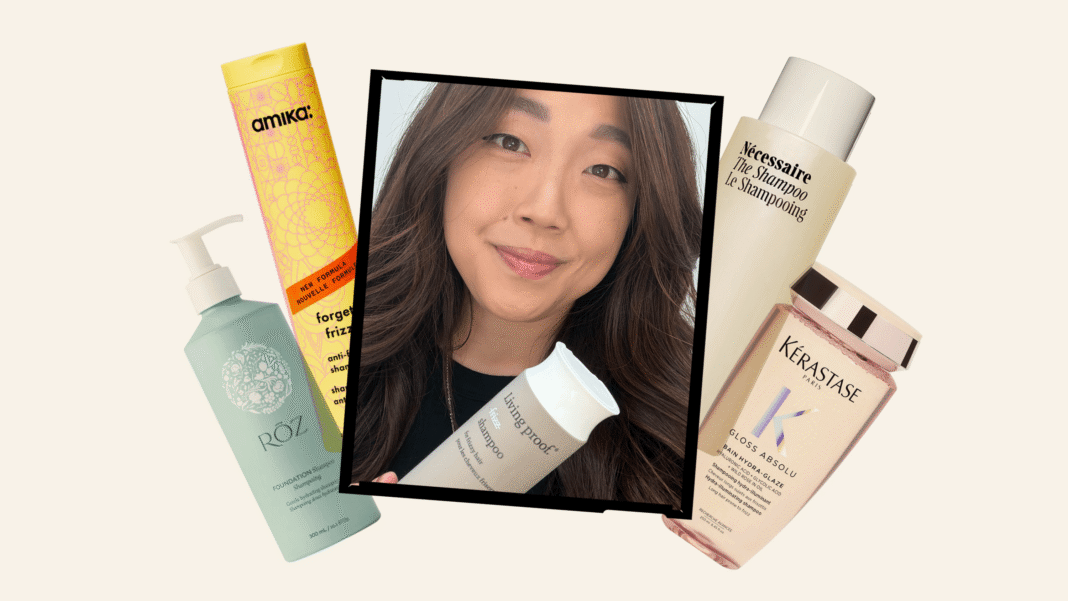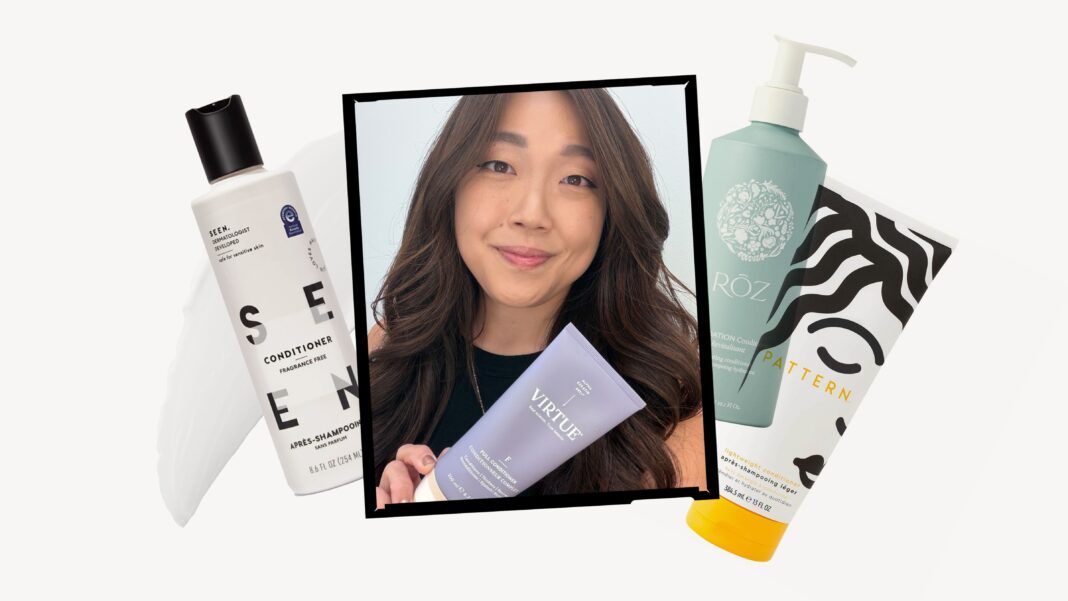
Fine hair demands a careful balance. It needs moisture and protection, yet heavy formulas can flatten strands within minutes. The right conditioner delivers hydration without sacrificing volume or movement.
Experts agree that the issue is often the product’s weight, not the hair itself. Lightweight ingredients are key to maintaining body while still providing necessary softness. Silicones and heavy oils are frequent culprits behind limp, greasy results.
A quality conditioner for fine textures should focus on detangling and smoothing the cuticle. This approach prevents breakage without coating the hair in residue. The goal is to achieve shine and manageability through water-based hydration rather than heavy emollients.
Many formulas now use weightless technologies designed specifically for this hair type. These products often feature ingredients like amino acids and lightweight proteins. They work to strengthen the hair shaft from within, avoiding the need for heavy surface coatings.
When selecting a product, pay attention to the application method. Even the best lightweight formula can feel heavy if too much is applied. Experts recommend focusing the conditioner on mid-lengths and ends, steering clear of the roots.
The texture of the conditioner itself can be a useful indicator. Lotions and milks are often preferable to thick creams or butters. These fluid textures distribute easily and rinse cleanly, helping to preserve natural movement.
Consistency in routine matters as much as the product choice. A weekly deep conditioning treatment can supplement daily conditioners, providing extra reinforcement without daily weight. This approach keeps fine hair resilient against environmental stress.
The market now offers a range of options that address this specific need. These products aim to redefine what conditioning means for fine hair, proving that moisture and volume can coexist. Selecting the right one depends largely on your hair’s immediate needs and styling habits.