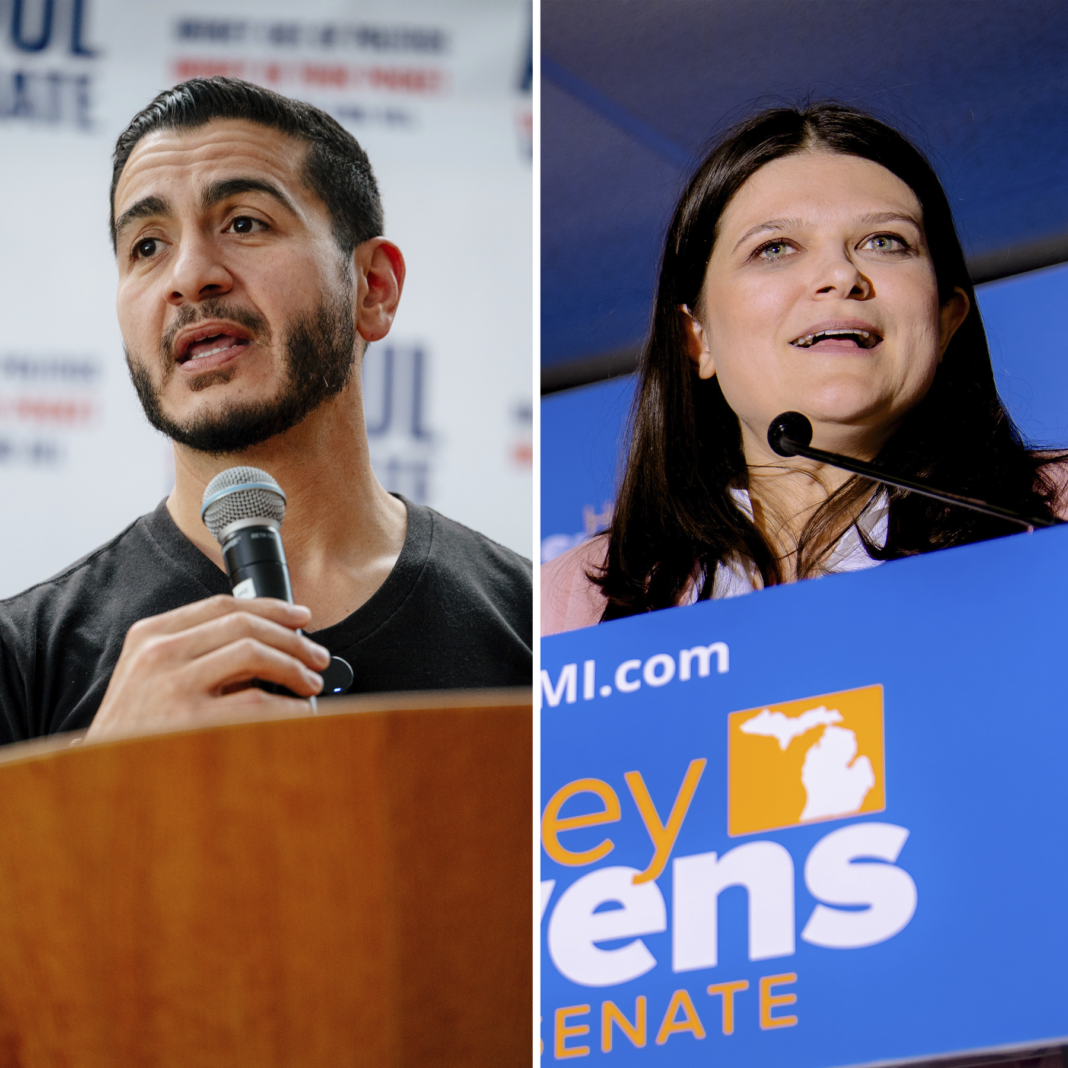
The Michigan Senate primary has become a battleground between established Democratic figures and a newly energized coalition. The race highlights a growing divide within the party’s base over strategy and representation. Voters are weighing decades of legislative experience against calls for a more aggressive progressive agenda.
Recent polls show a tight contest, with several candidates vying for the nomination. The field includes a long-serving incumbent and several challengers backed by grassroots organizations. These challengers argue that the old guard has failed to address economic inequality and climate change with sufficient urgency.
The insurgent campaigns have drawn significant support from younger voters and minority communities. They have focused their messaging on housing costs, healthcare access, and criminal justice reform. Organizers say their goal is to transform the party’s approach rather than simply continue existing policies.
The incumbent’s campaign counters with a record of federal funding and bipartisan legislation. Supporters point to key infrastructure projects and manufacturing job growth during their tenure. They argue that experience in Washington is essential to navigate complex legislative battles.
National political observers see the contest as a proxy for broader ideological fights within the Democratic Party. Similar dynamics have played out in other state primaries this cycle. The outcome could signal whether incrementalism remains the party’s dominant strategy moving forward.
Fundraising reports reveal a significant financial advantage for the incumbent. However, the challengers have matched that with strong small-dollar donations and high volunteer turnout. Digital outreach has leveled the playing field in ways not seen in previous election cycles.
Local issues have also shaped the race, particularly regarding labor rights and environmental regulations. Union endorsements are split among the candidates, reflecting internal disagreements over industrial policy. This fragmentation has made the primary difficult to predict.
Campaign events have drawn large crowds, with each side claiming momentum. Debates have featured sharp exchanges over foreign policy and corporate influence in politics. The tone has become more confrontational as election day approaches.
Michigan’s open primary system allows independent voters to participate, adding another layer of uncertainty. This could broaden the electorate and benefit candidates with crossover appeal. Turnout models suggest that a high participation rate may favor the challengers.
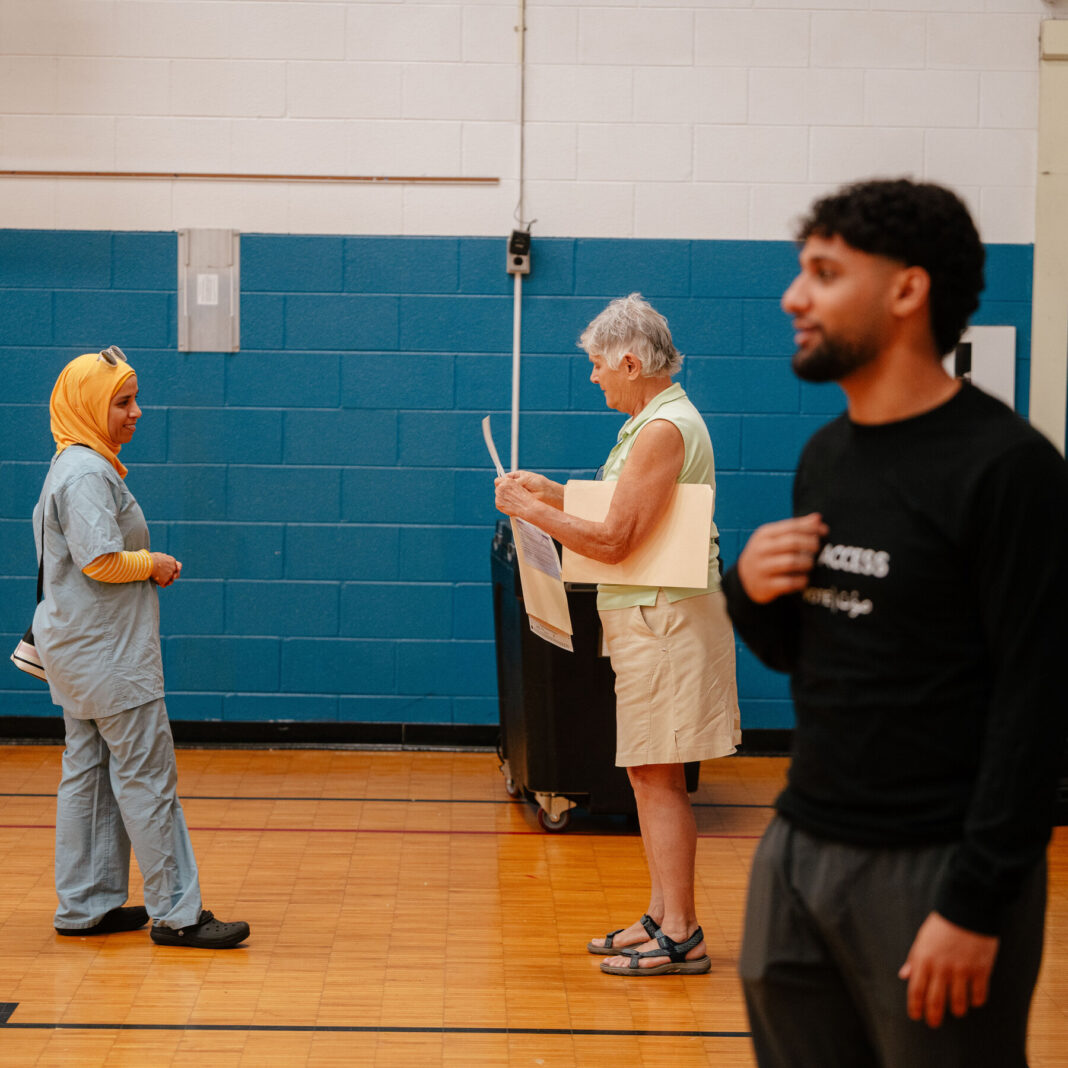
Voting is set to conclude later this evening, with results expected shortly after polls close. The winner will face a Republican opponent in the general election, a contest that is also expected to be close. Attention will quickly shift to the battleground state’s role in the national midterm landscape.
The primary is more than a single state’s decision. It offers a direct measure of the party’s mood ahead of the general election. The outcome will likely shape policy priorities and campaign tactics for the remainder of the year.