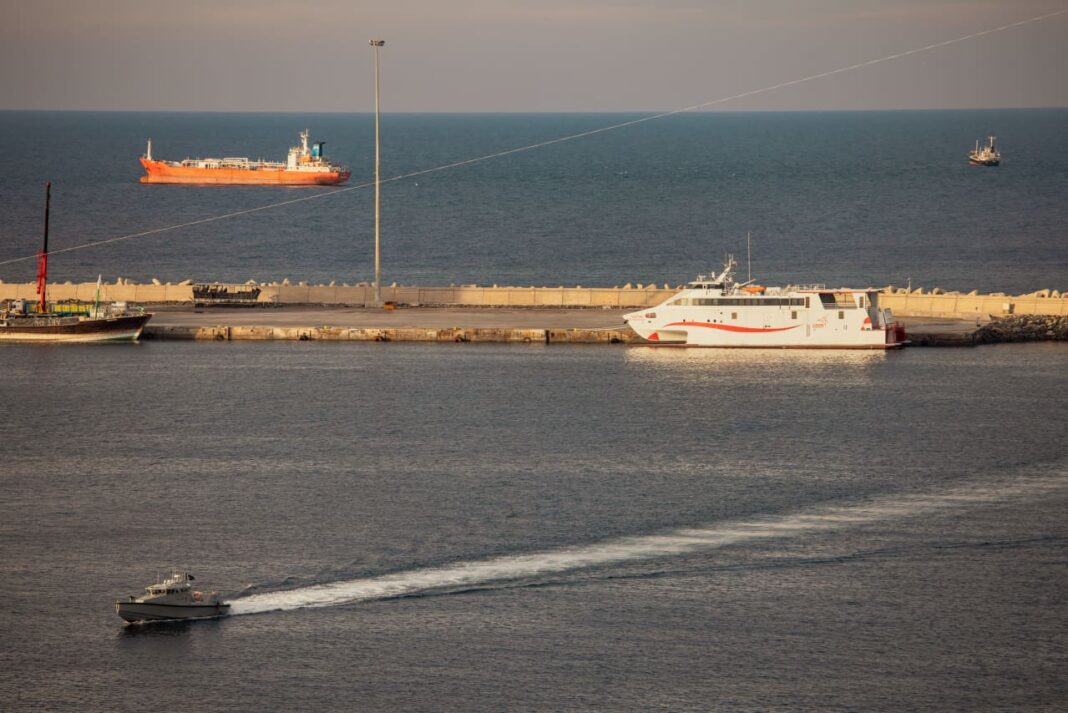
Ship traffic through the Strait of Hormuz increased noticeably over the weekend. This surge comes as a U.S.-imposed deadline for Iran to reopen the critical maritime passage approaches.
The strait is a vital global oil artery, with about one-fifth of the world’s petroleum passing through its narrow waters. Any disruption there typically causes immediate volatility in energy markets.
Despite the heightened activity and geopolitical tension, global oil prices have shown remarkable stability. This lack of movement contradicts the usual market reaction to such events.
Analysts point to several factors suppressing a price spike. Global crude inventories remain high, and production from other major suppliers, including the United States, continues at a robust pace.
Furthermore, market participants may be viewing the increased ship movements as precautionary rather than indicative of an imminent supply cut. Shippers are likely positioning vessels ahead of the deadline to mitigate potential delays.
The overall demand outlook also plays a role. Economic headwinds in major economies have tempered forecasts for oil consumption, adding downward pressure on prices.
This combination of ample supply, logistical preparation, and softened demand has created a buffer. For now, the market appears to be betting that the flow of oil will continue uninterrupted.