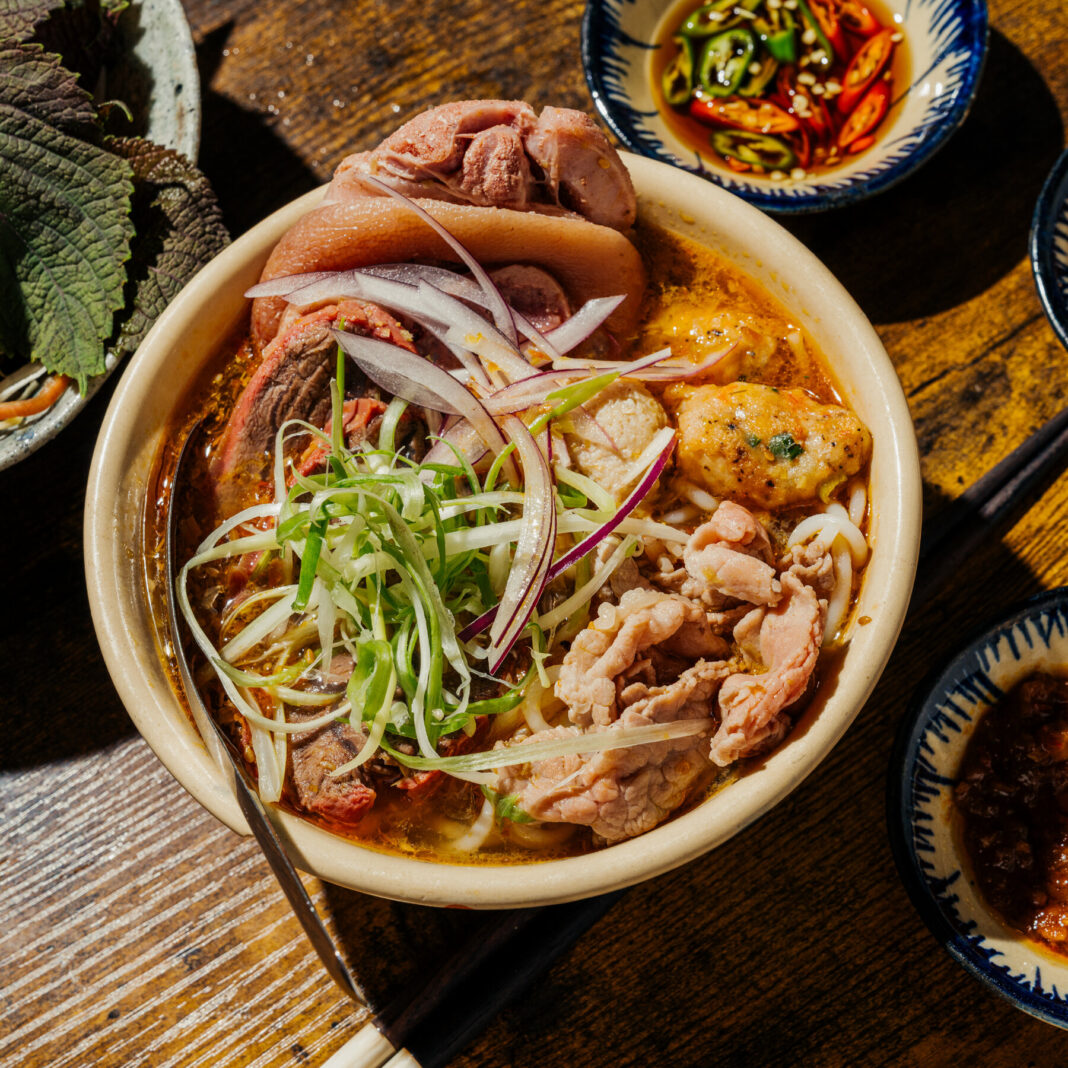
For many people living in some of the world’s hottest regions, the key to beating the summer heat lies in a steaming bowl of soup. This practice, rooted in tradition, challenges the common instinct to reach for cold drinks and frozen treats. The logic is counterintuitive but effective for those who swear by it.
The method relies on the body’s natural cooling response. When a person consumes something hot, the body senses the rise in temperature and begins to sweat. As that sweat evaporates from the skin, it draws heat away from the body, creating a cooling effect that can last long after the meal is finished.
Cold foods and beverages, by contrast, can sometimes send a signal to the body that it needs to warm up. This response can lead to a reduction in sweating and a subsequent rise in internal temperature. For many, this makes iced drinks a temporary fix that fails to provide lasting relief.
Cultures across Asia, Latin America, and Africa have codified this knowledge into their summer cuisines. Spicy broths and heavy, warming soups are often consumed during the hottest months of the year. These meals are designed not just to nourish, but to push the body to regulate its own climate.
Scientific research supports this cultural wisdom. Studies on thermoregulation indicate that hot drinks can cool the body more efficiently than cold ones under certain conditions. The key variable is the environment; in dry heat, the evaporation process works quickly, making the strategy highly effective.
Humidity changes the equation. In muggy conditions where sweat evaporates slowly, the cooling benefit diminishes. Even so, many who live in tropical climates still prefer the hot soup method, citing the overall well-being and digestion benefits that come with a warm meal.
The adaptation is also mental. Eating a hot meal can force a person to slow down and breathe deeply, which helps reduce stress and lower heart rate. This mindful pause can make the heat feel more bearable, regardless of the thermometer reading.
Chefs and home cooks alike are embracing this seasonal twist by offering chilled soups with warm spices or full-bodied broths designed for peak summer. The goal is not to fight the heat but to work with the body’s natural processes.
For the uninitiated, the transition might take some adjustment. Starting with a mildly spiced broth rather than an intensely hot chili allows the body to acclimate gradually. Over time, the practice can become a reliable and comforting part of a summer routine.
Ultimately, the tradition of hot soup in the summer underscores a broader principle of human adaptability. When the environment pushes one way, the body and culture often find a clever counterbalance. The bowl of steaming soup remains a testament to that resilience.