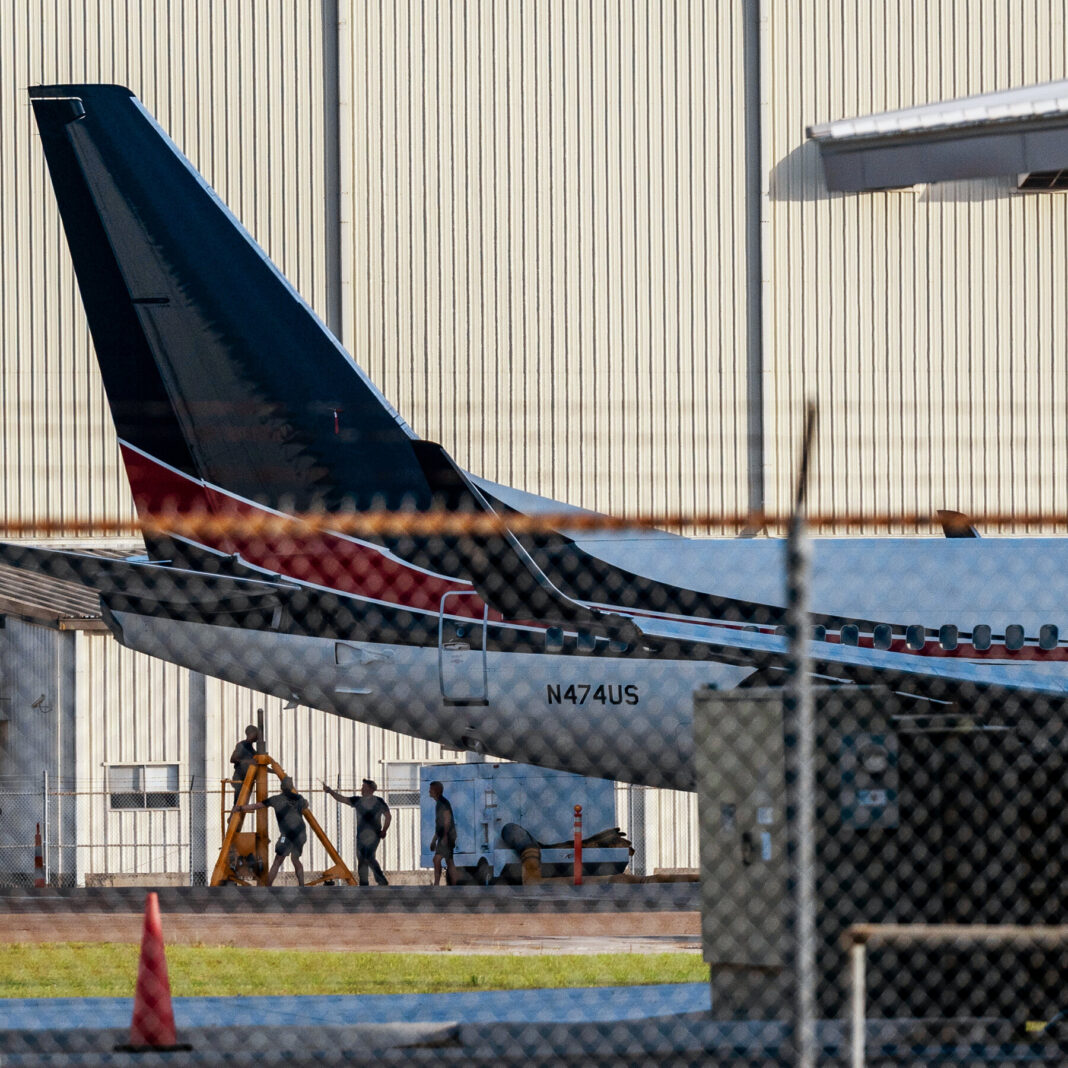
The Department of Homeland Security spent $464 million on 10 used jets through a no-bid contract, citing an urgent need for deportation flights. The aircraft, however, have largely sat parked for months since their acquisition.
The purchase was framed as a critical operational necessity. Officials argued that the planes were required to enhance deportation capabilities without delay.
The no-bid contract avoided the standard competitive procurement process. That decision has drawn scrutiny from watchdog groups and lawmakers.
Documents and internal reporting indicate the fleet has seen minimal use. The jets remain grounded at facilities, raising questions about the justification for the expedited purchase.
An agency spokesperson said the planes are part of a broader strategy and that deployment schedules depend on shifting operational demands. No timeline was provided for when the fleet might see regular service.
Costs associated with parking, maintenance, and crew readiness continue to accumulate. Expenses persist even without active flight missions.
Some former officials have questioned whether the procurement process prioritized speed over due diligence. The lack of competitive bidding may have limited oversight before the deal was finalized.
Congressional oversight committees have requested additional information on the contract’s terms and usage rates. Responses from the agency remain pending.
The situation highlights broader challenges in emergency procurement within federal agencies. Urgency can accelerate purchases, but operational realities may not align with initial plans.
For now, the parked jets represent a significant financial commitment without a clear payoff in mission activity. Public records tracking flight hours and deployment logs have not yet been released.