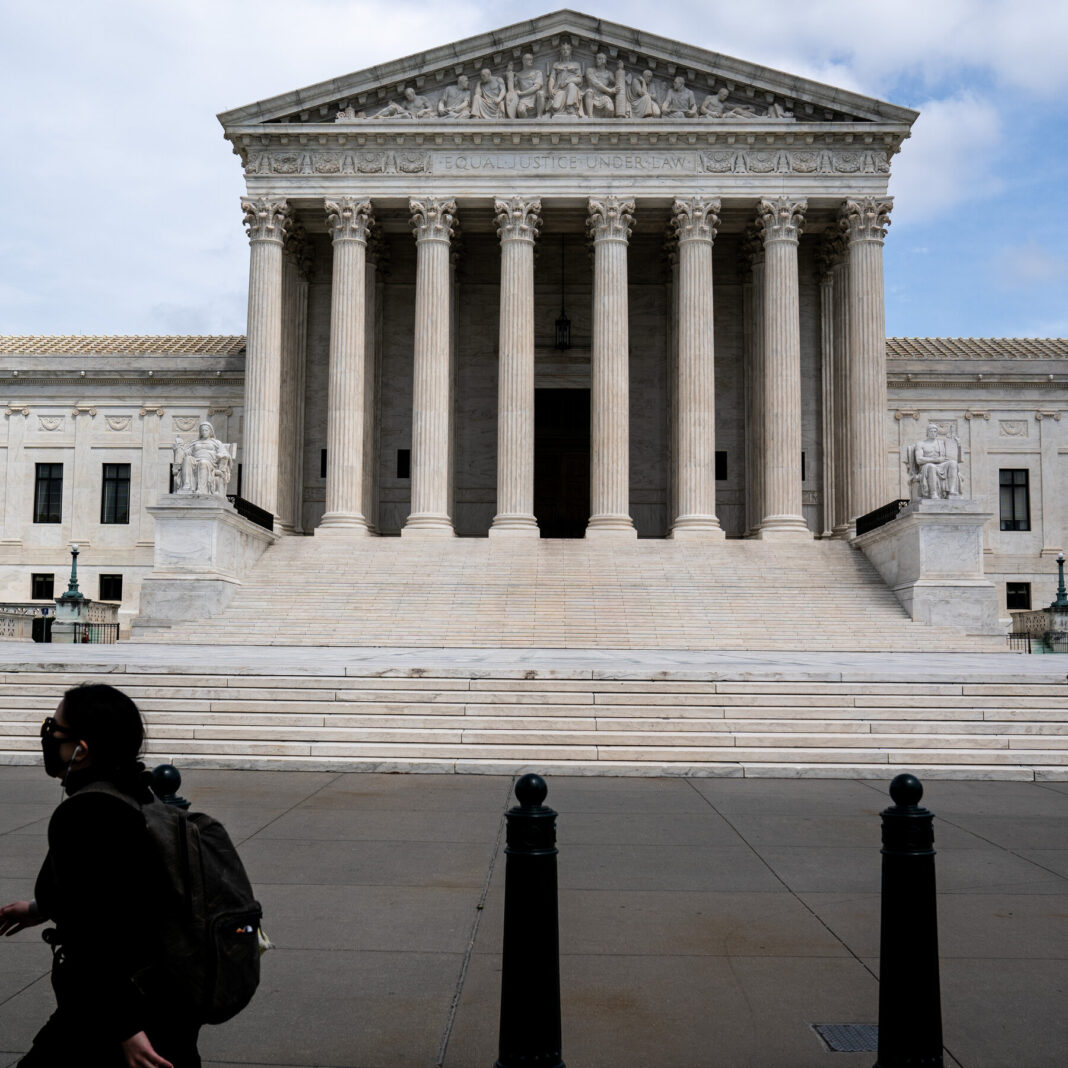
The Supreme Court’s oral arguments have undergone a lasting transformation, reshaped by the emergency measures adopted during the Covid-19 pandemic. What began as a temporary scramble to maintain operations has evolved into a new, permanent fixture for the nation’s highest court. Live audio feeds, a revised argument format, and a broader range of participating attorneys have fundamentally altered the institution’s signature public ceremony.
The shift to telephonic hearings in 2020 was initially a stopgap solution. Faced with closure, the court pivoted to audio-only sessions, a departure from its long-standing tradition of barring cameras and live broadcasts. This change pulled back the curtain on proceedings that had historically been observed by only a small, in-person audience. The immediate result was unprecedented public access to the court’s deliberations in real time.
Once the emergency subsided, the court did not fully revert to its old ways. Instead, it adopted a hybrid model that retained many of the pandemic-era innovations. The traditional free-for-all questioning style, where justices interrupted each other and advocates frequently, was replaced with a structured, sequential format. Under the new system, each justice asks questions in turn, allowing attorneys a clearer path to present their arguments without constant interruption.
This format has altered the dynamics of advocacy before the court. Lawyers now face a more orderly, if still intense, interrogation. The change has been credited with creating a more substantive dialogue, as advocates can fully develop their answers rather than merely reacting to rapid-fire queries. However, some legal veterans note that the new structure can lack the spontaneity and energetic exchanges that once defined high-stakes arguments.
The expansion of advocates is another notable consequence. With remote participation available, the court has seen a wider array of attorneys arguing cases. This includes more lawyers from public defender offices and non-traditional practices, who previously faced logistical hurdles in traveling to Washington. The lower barrier to entry has diversified the voices heard at the podium, a development that aligns with broader calls for increased representation in the legal profession.
Audio access remains a cornerstone of the new normal. While the court has returned to in-person hearings, the live audio feed is now a standard feature for every case. This transparency, once resisted, has become a routine expectation for the public and the press. The change has not been without friction, as some justices have expressed concerns about the performative nature of arguments when broadcast to a national audience.
The cumulative effect is a court that is both more accessible and more deliberate. The iconic image of justices leaning over a mahogany bench, engaged in rapid verbal combat, has given way to a measured, structured process. For observers, the shift is a trade-off between clarity and drama. The new format offers a clearer view of the legal reasoning, but it has also muted the theatrical moments that once captivated courtroom spectators.
As the court moves forward, these changes appear firmly entrenched. The pandemic-era scramble, born of necessity, has left a permanent mark on the institution. The result is a Supreme Court that operates with greater public visibility and a more inclusive roster of advocates, fundamentally changing how the nation witnesses its highest judicial proceedings.