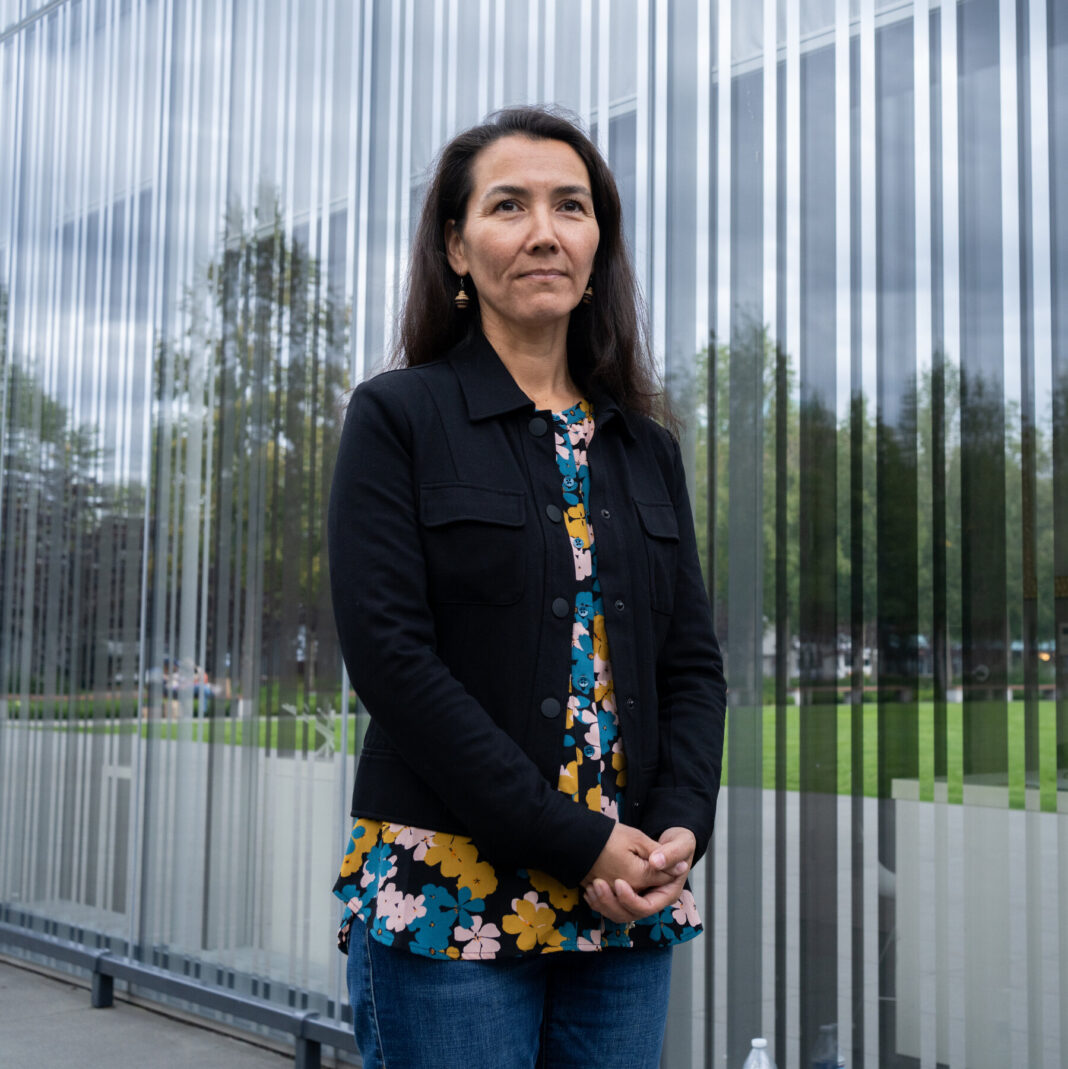
Mary Peltola, a Democrat running for the U.S. Senate in Alaska, grew up along the Kuskokwim River near the Bering Sea. She is Alaska Native and spent much of her early life fishing for salmon. She now leads the Democratic field in the state’s nonpartisan primary race.
Peltola’s connection to the land and waterways of Western Alaska shapes her political identity. Her subsistence lifestyle offers a perspective uncommon in national politics. She often cites her rural upbringing as the foundation of her public service approach.
Her campaign focuses on issues relevant to Alaska’s unique geography and economy. She emphasizes the importance of sustainable fisheries and the challenges facing rural communities. These priorities resonate strongly with voters across the state’s vast and varied districts.
Peltola previously served in the Alaska House of Representatives. Her legislative experience includes work on education and rural development. She also served as a judge in the tribal court system, adding a distinct layer to her policy background.
Her candidacy has drawn attention for its historic potential. If elected, she would be one of the first Alaska Natives to hold a Senate seat. This milestone adds significance to an already competitive race.
The state’s new ranked-choice voting system adds complexity to the election. Candidates from multiple parties appear on the same primary ballot. Voters rank their preferences, which can shift outcomes in unpredictable ways.
Peltola’s campaign is built on local knowledge and direct engagement. She aims to bridge divides by focusing on shared interests rather than partisan labels. Her message appears to be gaining traction with a broad coalition of voters.
The general election will test whether her regional appeal can translate into statewide success. Analysts view her as a viable contender in a politically mixed state. Her performance in the primary suggests a strong foundation moving forward.
Her platform also addresses national issues, including healthcare and infrastructure. She ties these topics back to Alaska’s specific needs. This approach seeks to position her as a practical problem-solver in Washington.