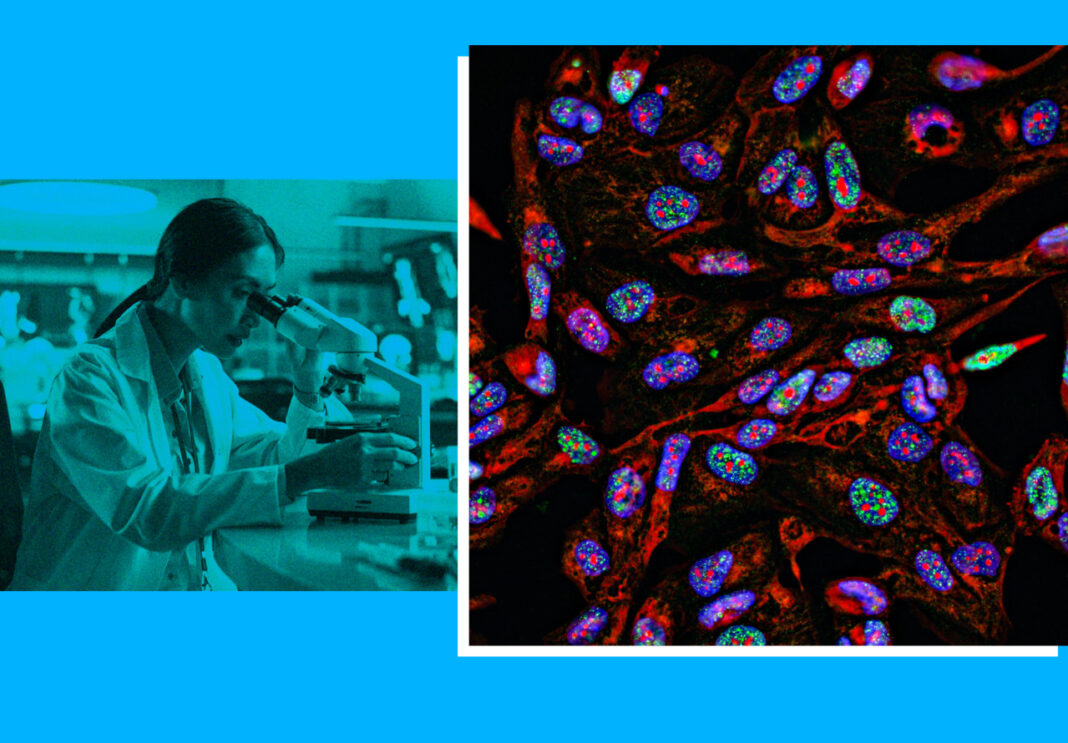
Moderna’s experimental personalized mRNA therapy is generating significant attention as a potential new weapon against skin cancer. The treatment, designed to train the immune system to target an individual’s specific tumor mutations, has sparked optimism among doctors and patients alike. However, some financial analysts caution that the enthusiasm may be outpacing the available evidence.
The technology works by analyzing a patient’s tumor to identify unique genetic markers. Researchers then create a custom mRNA molecule that instructs cells to produce these markers, aiming to provoke a targeted immune response. This approach differs from conventional cancer treatments, which typically attack broad characteristics shared by many tumors.
Clinical trial data has shown encouraging results, particularly for patients with advanced melanoma. In a mid-stage study, the combination of the personalized shot with an existing immunotherapy drug reduced the risk of cancer recurrence by a significant margin. These findings have led to fast-track regulatory designation in the United States.
Still, experts point out that the data is preliminary and based on a relatively small patient group. The therapy’s true effectiveness will only be confirmed through larger, ongoing phase three trials. Questions also remain about manufacturing timelines, scalability, and the high cost of producing a bespoke treatment for each patient.
Market analysts have expressed mixed views on Moderna’s commercial prospects for this candidate. Some argue that the hype has inflated expectations, particularly given the operational hurdles of personalized medicine. Others believe that, if successful, the therapy could open a new revenue stream and validate a broader platform for other cancer types.
The excitement is not without precedent. Personalized approaches have transformed other areas of oncology, such as CAR-T cell therapy. However, those treatments come with substantial logistical and financial challenges, and they have not always translated into durable responses for all patients.
For now, doctors remain cautiously optimistic, emphasizing that the therapy is not yet a standard option. Patients interested in the experimental shot can only access it through clinical trials or expanded access programs. The medical community will need to wait for more robust data before drawing firm conclusions.
The broader implication extends beyond skin cancer. If the personalized mRNA approach proves successful, it could be adapted to treat other tumor types with high mutation burdens. Moderna has already announced plans to explore additional indications, including lung and colorectal cancers.
Regulators and insurers will also play a decisive role in the therapy’s future. Pricing and reimbursement models for individually tailored treatments remain undefined. Without clear frameworks, widespread adoption could face significant delays despite promising clinical results.
Ultimately, the story of this personalized mRNA shot reflects both the promise and the pitfalls of cutting-edge cancer research. Real progress is possible, but the gap between early trial wins and real-world impact remains wide. Analysts, doctors, and patients must all keep expectations grounded in evidence.