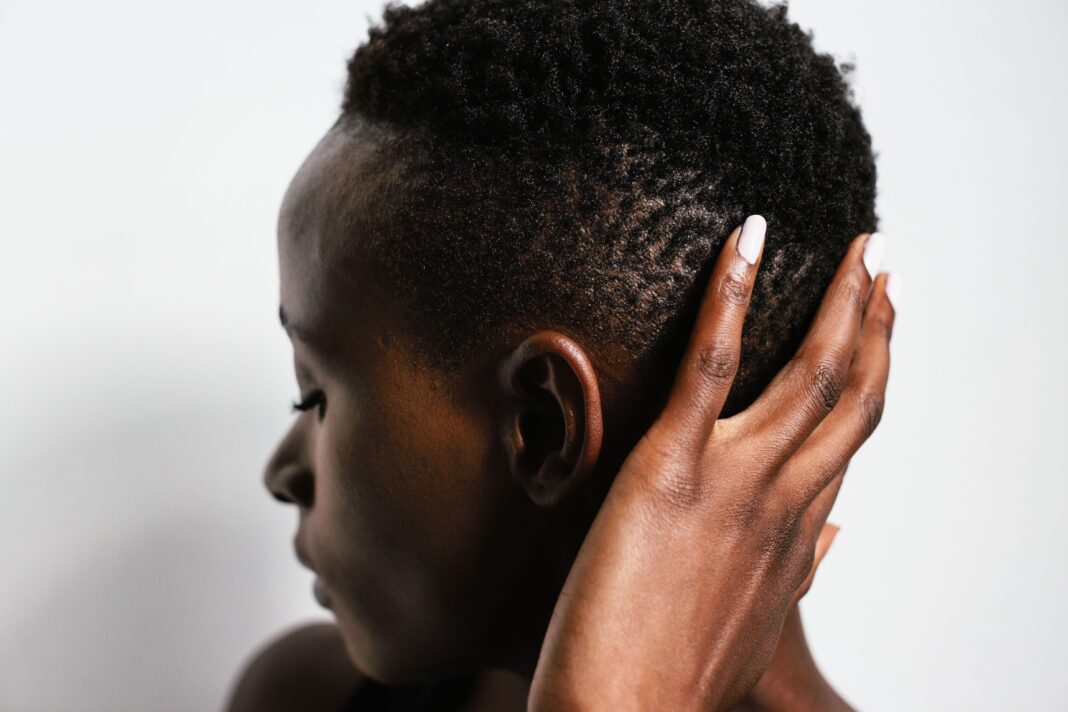
Wash-day routines and styling habits often need adjustment for those managing scalp eczema alongside natural hair. Dermatologists emphasize that gentle care and strategic product choices can reduce flare-ups without sacrificing hair health. The condition, a form of dermatitis, causes dryness, itching, and flaking that can complicate standard natural hair maintenance.
The first step involves selecting the right cleanser. Experts recommend sulfate-free shampoos that cleanse without stripping essential moisture. Over-washing can worsen irritation, so spacing out wash days to every seven to ten days often proves beneficial. When washing, focus on massaging the scalp with fingertips rather than nails to avoid micro-tears.
Conditioning requires a similar shift in approach. Heavy oils and butters may clog pores and trap flakes, leading to further inflammation. Instead, dermatologists suggest lightweight, water-based leave-in conditioners that hydrate without buildup. For deep conditioning, apply the product primarily to the lengths and ends, keeping the scalp clear for targeted eczema treatments.
Styling choices also play a critical role in managing symptoms. Tight hairstyles like braids, twists, or ponytails can pull at the hairline and aggravate sensitive skin. Looser styles that minimize tension reduce friction and allow the scalp to breathe. Additionally, avoiding heat tools and harsh gels helps prevent additional drying or irritation.
Medicated treatments should be incorporated carefully into the routine. Dermatologists often recommend topical corticosteroids or non-steroidal options, applied directly to affected areas. These products work best on a clean, dry scalp and should be allowed to absorb fully before adding any styling products. Overuse of medicated creams can thin the skin, so following prescribed frequency is essential.
Detangling requires patience and the right tools. Wide-tooth combs or fingers work better than brushes, which can scratch the scalp. Detangle hair while it is damp and coated with a slippery conditioner to reduce breakage. Never pull through knots when the scalp feels tender, as that can worsen inflammation.
Nighttime care offers another opportunity to protect both hair and scalp. Sleeping on a satin or silk pillowcase reduces friction and prevents moisture loss. For those who wrap their hair, use a loose satin scarf instead of tight cotton materials. This simple swap can minimize overnight irritation and keep the scalp calm.
Seeking professional guidance remains the most reliable path. A dermatologist can diagnose the specific type of eczema and tailor a regimen to individual hair porosity and texture. They may also recommend supplements or lifestyle changes that address underlying triggers. Consistent, gentle care combined with medical advice offers the best chance for long-term scalp health and thriving natural hair.