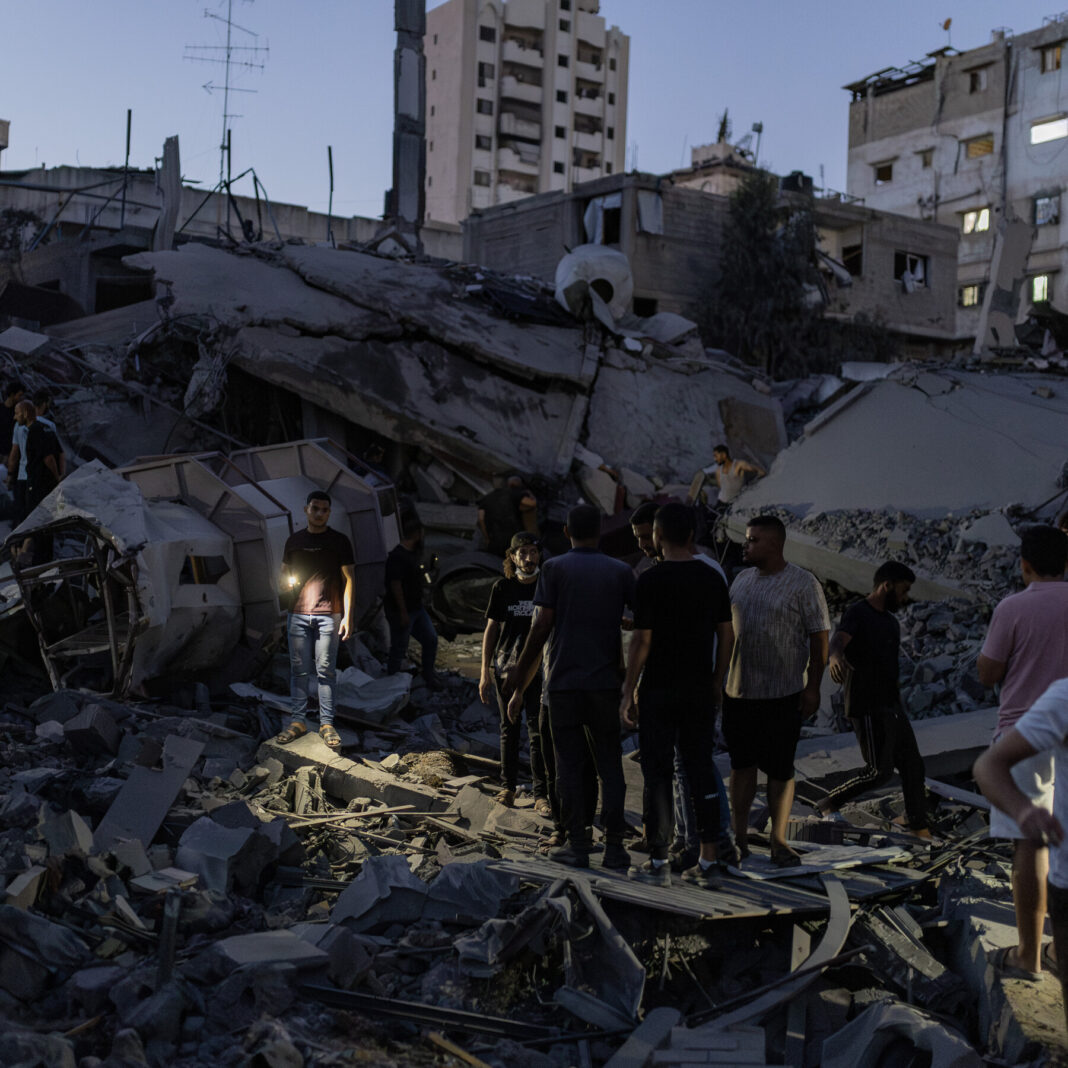
The State Department has notified Congress of its intention to fund a proposed peacekeeping force in Gaza. This move came on the same day the president’s Board of Peace unveiled a separate plan to disarm Hamas.
The funding proposal signals a continued push for a security presence in the region. However, the disarmament plan faces significant obstacles and has yet to gain traction with key stakeholders. Officials have not detailed the specific amount of funding under consideration for the stabilization force.
The two initiatives represent parallel tracks in the administration’s approach to the conflict. The peacekeeping force would require broad international cooperation and a clear mandate. The disarmament plan, meanwhile, would depend on the cooperation of local factions that have so far rejected external oversight.
There is no indication that either plan has been coordinated with regional partners. The lack of a unified strategy raises questions about the feasibility of both proposals. The State Department’s notification is a preliminary step and does not guarantee the release of funds.
Congress will now review the request, with some lawmakers expressing skepticism about committing resources without a clear endgame. The administration has defended the funding as necessary for maintaining order and preventing a security vacuum. Critics argue that a peacekeeping mission cannot succeed without a negotiated political settlement.
The timeline for the disarmament plan remains unclear, and no formal negotiations have been scheduled. The Board of Peace has not released details on how disarmament would be enforced or verified. The funding request and disarmament plan may proceed on separate tracks, but pressure is growing for a coordinated strategy.
The situation in Gaza remains fragile, with no ceasefire agreement in place. International observers have called for a renewed diplomatic push, but no major meetings are currently planned. The coming weeks will test whether the administration can align its security goals with on-the-ground realities.