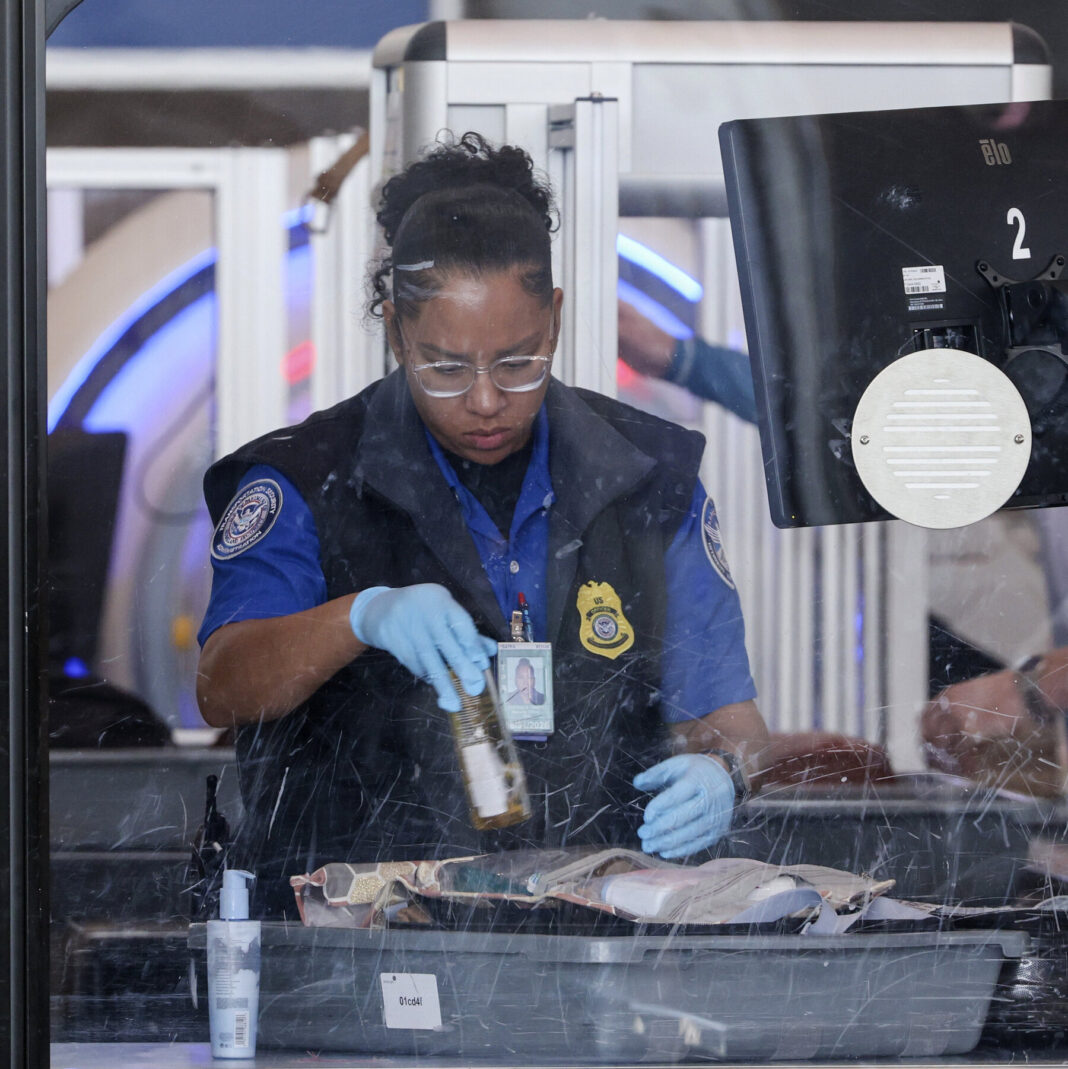
The Transportation Security Administration has abruptly ended its Gold+ program, a private-security initiative designed to let companies manage the full scope of airport screening. The decision came under new agency leadership, which moved quickly to dismantle the model. The program would have allowed private firms to provide screening services, operate technology, and oversee maintenance.
Gold+ was intended to expand the private sector’s role beyond the current framework, where contractors assist but do not lead. The scrapped model would have let companies assume complete responsibility for passenger and baggage screening at participating airports. This marked a significant shift from the T.S.A.’s standard federal workforce model.
Agency officials have not detailed the reasons for the reversal, but the change signals a return to a more centralized approach. The decision arrives amid ongoing debates about the efficiency and cost-effectiveness of privatizing security functions. Supporters of private screening have argued it could reduce wait times and lower costs, while critics have raised concerns about consistency and accountability.
The program’s cancellation affects plans at several airports that had expressed interest in the pilot initiative. Those locations will now continue under the existing federal model, with no immediate timeline for alternative proposals. The T.S.A. has not indicated whether a revised private-sector option will be introduced later.
Industry observers note that the move could slow momentum for privatization efforts in aviation security. Private contractors previously saw Gold+ as a path toward greater operational control and long-term contracts. Without it, the market for airport screening services remains limited to support roles rather than full management.
The leadership shift at the T.S.A. appears central to the decision, suggesting a policy pivot rather than a response to operational failures. The agency has stated that safety remains the top priority, though specific guidance on future partnerships has yet to be released. Airports and contractors are left awaiting clearer direction.
Travelers are unlikely to notice immediate changes, as screening procedures and staffing levels remain consistent for now. The broader impact may emerge over time, particularly if other security agencies revisit similar privatized models. For now, the federal approach stays in place, with Gold+ shelved indefinitely.