A political fight in Utah has drawn attention to a growing conflict over courts, abortion, and representation. Republican lawmakers moved to repeal a voter-approved ban on gerrymandering. The effort met unexpected resistance from women across the state.
The original law aimed to prevent politicians from drawing legislative districts for partisan advantage. Voters passed it directly, signaling broad support for fair maps. Republican legislators sought to undo that decision through a repeal vote.
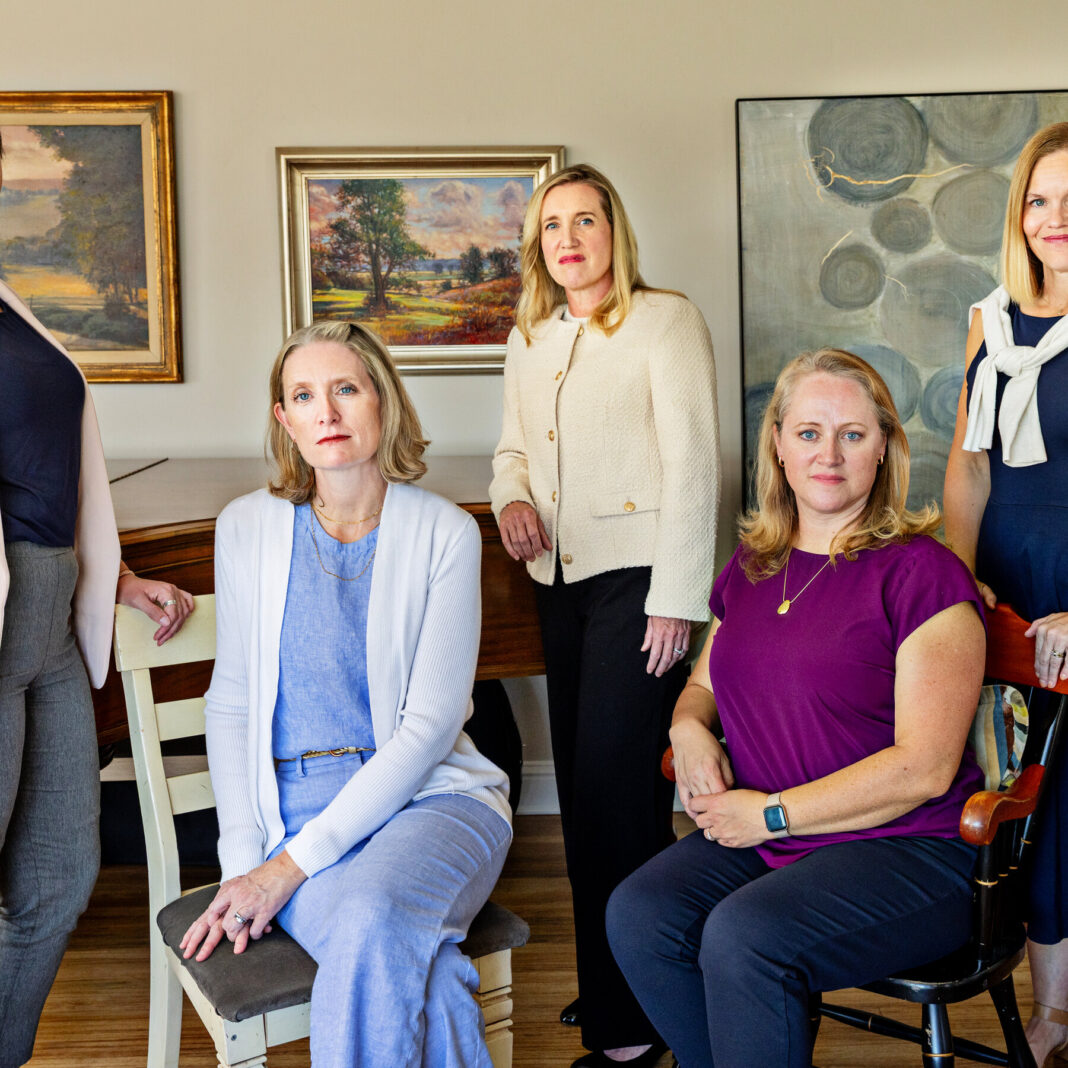
Opposition came from a coalition that defied common stereotypes about Utah women. Many expected quiet support for conservative leadership. Instead, women organized, spoke out, and pushed back against the repeal.
The clash reflects deeper tensions over abortion access and political power in the state. Utah has seen increasing debate over reproductive rights since national court rulings shifted the landscape. Women’s groups have become more vocal on both issues.
Mormon women played a visible role in the resistance. Their activism challenges the image of the “tradwife” lifestyle often associated with the community. They cited concerns about fairness, representation, and local control.
The debate over redistricting also raises questions about who holds influence in state politics. Lawmakers argued the repeal was necessary for practical governing. Opponents called it an attack on voters’ will.
Similar battles over courts and abortion are unfolding in other states. Utah’s experience shows how gender and religion can reshape political conflicts. The outcome may set a precedent for future fights over redistricting.