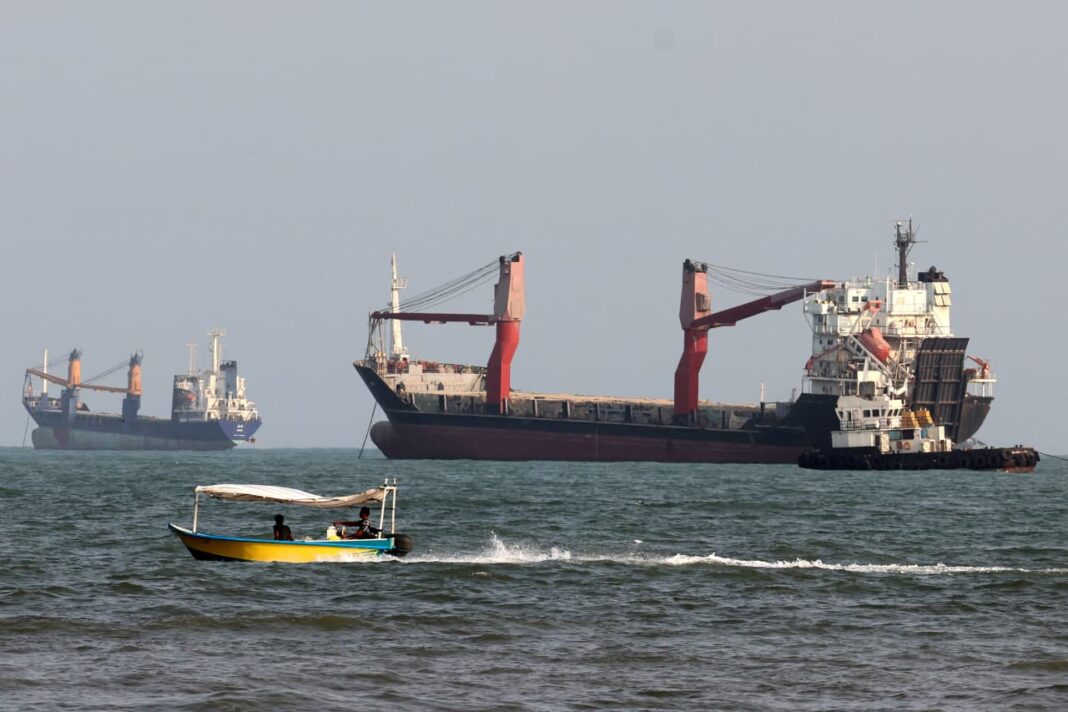
Global oil prices climbed above $90 per barrel after reports emerged that two tankers were struck in the Strait of Hormuz. West Texas Intermediate’s October delivery contract and Brent crude’s November contract both reached their highest levels in nearly two weeks.
The incident raised fresh concerns about supply disruptions in one of the world’s most critical shipping lanes. Traders quickly responded to the news, pushing prices upward as geopolitical risk premiums re-entered the market.
The Strait of Hormuz handles roughly one-fifth of global oil consumption, making it a key chokepoint for crude shipments. Any threat to navigation in the region tends to trigger immediate price reactions across energy markets.
Analysts noted that the reported strikes mark a significant escalation in regional tensions. The market had previously absorbed several supply-side shocks, but this event appears to have shifted sentiment more decisively.
Both benchmarks had been trading in a narrower range earlier this week, with investors weighing global demand concerns against supply constraints. The latest development broke that pattern, driving a sharp upward move.
The price surge also affected broader energy markets, including refined products and fuel futures. Asian and European trading sessions saw increased volatility as news of the tanker strikes spread.
Market participants now watch for official confirmation and any potential response from shipping companies or naval forces. Further escalations could sustain or amplify the current price levels.
Despite the gains, some traders remain cautious about the sustainability of the rally, citing ongoing economic headwinds and weaker-than-expected demand signals. The coming days will likely clarify the immediate supply impact, if any.