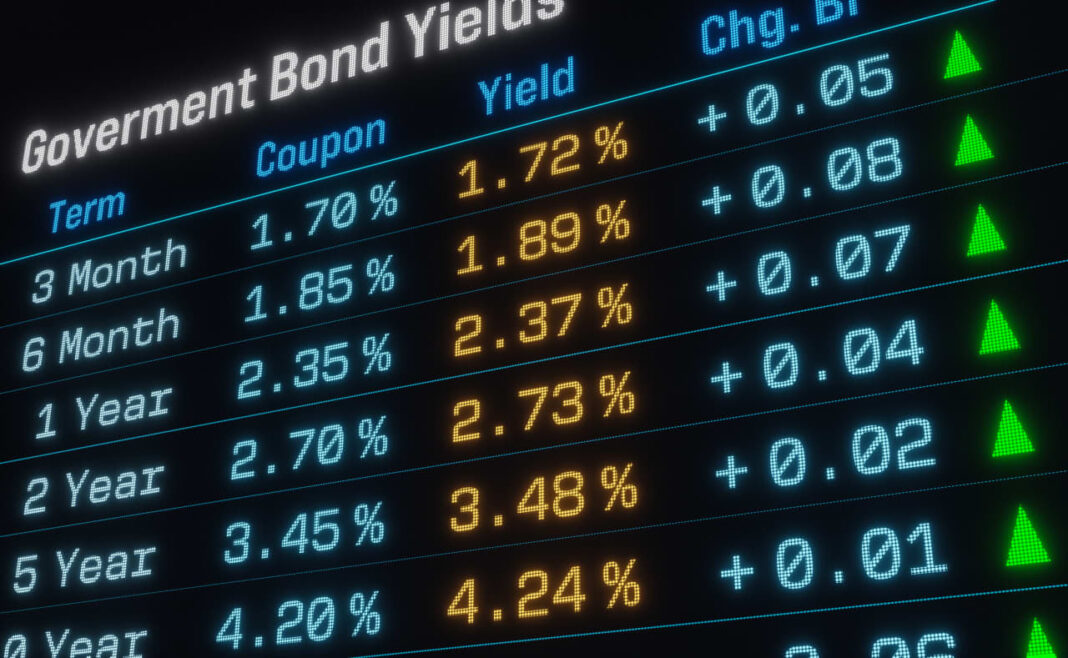
Rising bond yields have long triggered anxiety among investors, but a growing chorus of experts argues the recent upward trend may signal healthier economic conditions, not impending trouble. The near-zero interest rates that defined the decade after the global financial crisis were a sign of economic dysfunction, not strength. Higher rates, by contrast, reflect a stronger demand for capital and more robust economic growth.
The shift marks a departure from the post-2008 era, when central banks kept borrowing costs artificially low to stimulate sluggish economies. That period, while comforting for borrowers, masked underlying weaknesses in productivity and investment. Today’s environment, analysts say, points to a revitalized private sector willing to take on risk and expand operations.
Bond yields rise when investors anticipate higher inflation or stronger growth, both of which can benefit the broader economy. For companies, higher borrowing costs may seem daunting, but they often accompany improved revenue prospects and consumer spending power. The correlation between yield increases and corporate earnings suggests markets are pricing in optimism, not fear.
Historical data lends weight to this perspective. Past episodes of rising yields, such as the mid-1990s and the post-pandemic recovery, coincided with periods of solid job creation and GDP expansion. While equity markets may wobble in the short term, the long-term trajectory often rewards patience and confidence in the real economy.
Investors fixated on portfolio losses may overlook the flip side of higher yields: better returns on savings and fixed-income instruments. Retirees and conservative investors, who suffered during the zero-rate era, stand to regain ground as bond coupons become more attractive. This rebalancing could reduce reliance on speculative assets and promote financial stability.
Policymakers, meanwhile, face a delicate task. Central banks must manage inflation expectations without choking off the growth that higher rates reflect. The current cycle, if handled skillfully, could transition economies toward sustainable expansion rather than the boom-and-bust patterns of the past.
Not every sector will benefit equally. Highly leveraged industries, such as real estate and utilities, may feel pressure from increased financing costs. But these challenges are part of a natural correction, weeding out inefficiencies and rewarding firms with solid balance sheets. The net effect, over time, leans positive.
Those who view rising bond rates with alarm may be misreading the signal. A healthy economy does not fear higher costs for capital; it embraces them as evidence of opportunity. The experts making this case urge a longer view, one that sees the current trend as a maturation of markets rather than a prelude to crisis.