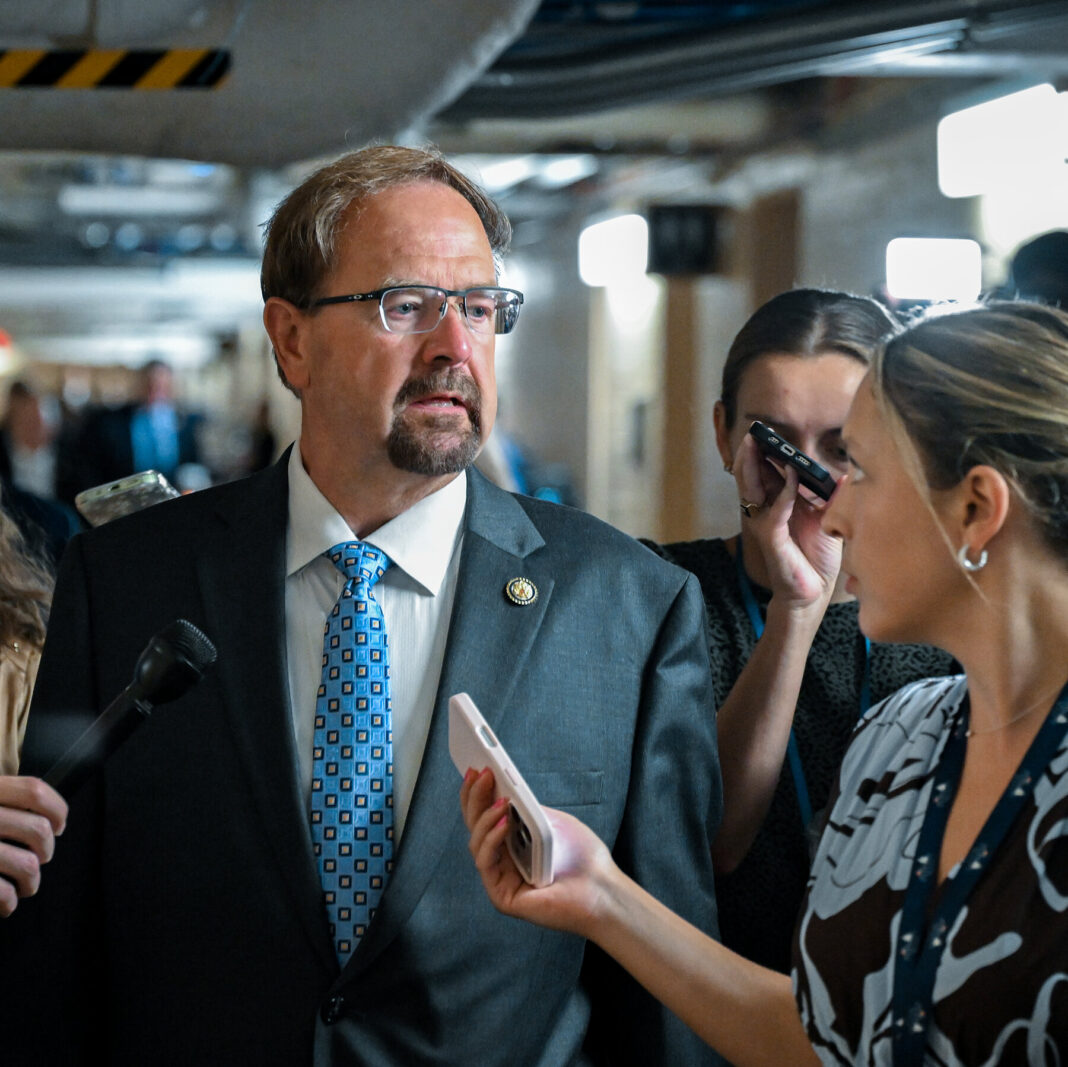
The House formally censured Representative Chuck Edwards on Monday, a rare disciplinary action stemming from allegations that he sexually harassed two staff aides. The vote followed a floor speech in which the North Carolina Republican apologized for his conduct while maintaining it did not meet the legal definition of harassment.
Edwards, who represents a district in the western part of the state, addressed the chamber moments before the censure vote. He expressed regret for his actions and acknowledged the distress they caused, but he stopped short of accepting the formal accusation leveled against him.
The censure resolution passed with bipartisan support, marking a swift and public rebuke of a sitting member. Censure is one of the harshest forms of congressional punishment short of expulsion, and it forces the member to stand before colleagues as the resolution is read aloud.
The allegations were investigated by the House Ethics Committee, which found sufficient evidence to proceed with disciplinary action. Details of the misconduct have not been fully released, but the case has drawn attention to ongoing concerns about workplace behavior in Congress.
Aides who worked in Edwards’s office reportedly filed complaints citing unwanted advances and inappropriate comments. The exact timeline of the incidents has not been disclosed, though the investigation reportedly concluded earlier this year.
In his speech, Edwards described the encounters as miscommunications and said he had never intended to cause harm. He stated that his apology was sincere but emphasized that he did not believe the conduct rose to the level of harassment as defined by House rules.
Several Democratic and Republican lawmakers spoke in favor of the censure, arguing that accountability is essential to maintaining professional standards. A minority of members opposed the measure, with some calling for a more detailed review before action was taken.
The vote places a formal mark on Edwards’s congressional record, though he retains his seat and can continue voting on legislation. The House has not indicated whether further action, such as removal from committee assignments, will follow.
This marks the first censure of a House member in several years, signaling a renewed willingness by leadership to address misconduct claims directly. The case adds to a broader conversation about how legislative bodies handle accusations against their own members.
Edwards’s office released a brief statement after the vote, reiterating his commitment to his constituents and his intention to move forward. The congressman did not take questions from reporters as he left the chamber floor.