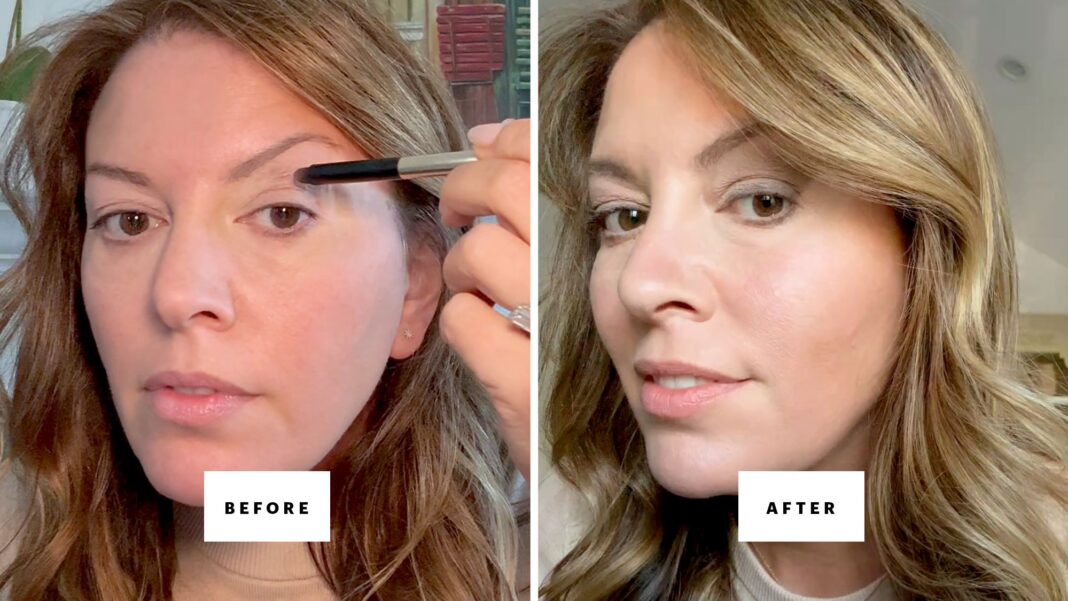
Broad almond-shaped eyes have long been a marker of beauty, but not everyone is born with them. For those seeking a wider, more awake appearance, makeup can offer a non-surgical alternative to cosmetic procedures. The technique focuses on optical illusion rather than permanent change, using shadow and light to alter perceived eye shape.
One individual recently decided to cancel a scheduled blepharoplasty consultation, which is a surgical procedure to modify the eyelids. Instead of going under the knife, they chose to experiment with new eye shadow products. This shift highlights a growing preference for temporary, skill-based solutions over invasive methods.
The core principle behind the look involves creating depth and dimension around the eye area. Darker shades applied to the outer corner can add definition, while lighter tones on the inner corner can draw attention outward. Placement is critical; a harsh line or smudge in the wrong spot can close the eye off rather than open it up.
Eyeliner placement also plays a significant role in this technique. Drawing a thin line that lifts slightly at the outer edge can mimic a natural upward slant. Avoiding a full, thick rim along the lower lash line helps prevent the eye from appearing smaller or more hooded.
Mascara is another essential tool, but application method matters. Focusing product on the upper lashes, particularly at the center of the eye, can create a lifting effect. Curling the lashes beforehand will amplify this, opening up the space between the lid and the brow.
Those with hooded or deep-set eyes may need to adjust the standard approach. For hooded eyes, blending shadow higher above the crease can make the lid appear more visible. For deep-set eyes, using shimmery, light-reflecting shades on the center of the lid can bring the area forward.
It is important to note that makeup cannot change the physical structure of the eye. The effect is temporary and requires reapplication, lasting only until the products are removed. It also depends heavily on lighting and viewing angle, as the illusion is not uniform across all conditions.
The choice to explore makeup first can delay or replace the decision to pursue surgery. Many find the cost and recovery time associated with a blepharoplasty to be prohibitive. Makeup offers a low-risk, reversible option to test whether a wider eye look is genuinely desired before committing to a permanent alteration.
The final result should look natural, not overtly dramatic, to achieve the intended effect. Over-application can lead to a heavy, tired appearance, which defeats the purpose of looking refreshed. The goal is to enhance the eye’s natural shape, not to draw attention to the makeup itself.
Success in this endeavor comes down to practice and observation. Studying one’s own eye shape and experimenting with different brush angles and colors will yield the best individual outcome. There is no universal formula, as face structure varies, and what works for one person may not work for another.