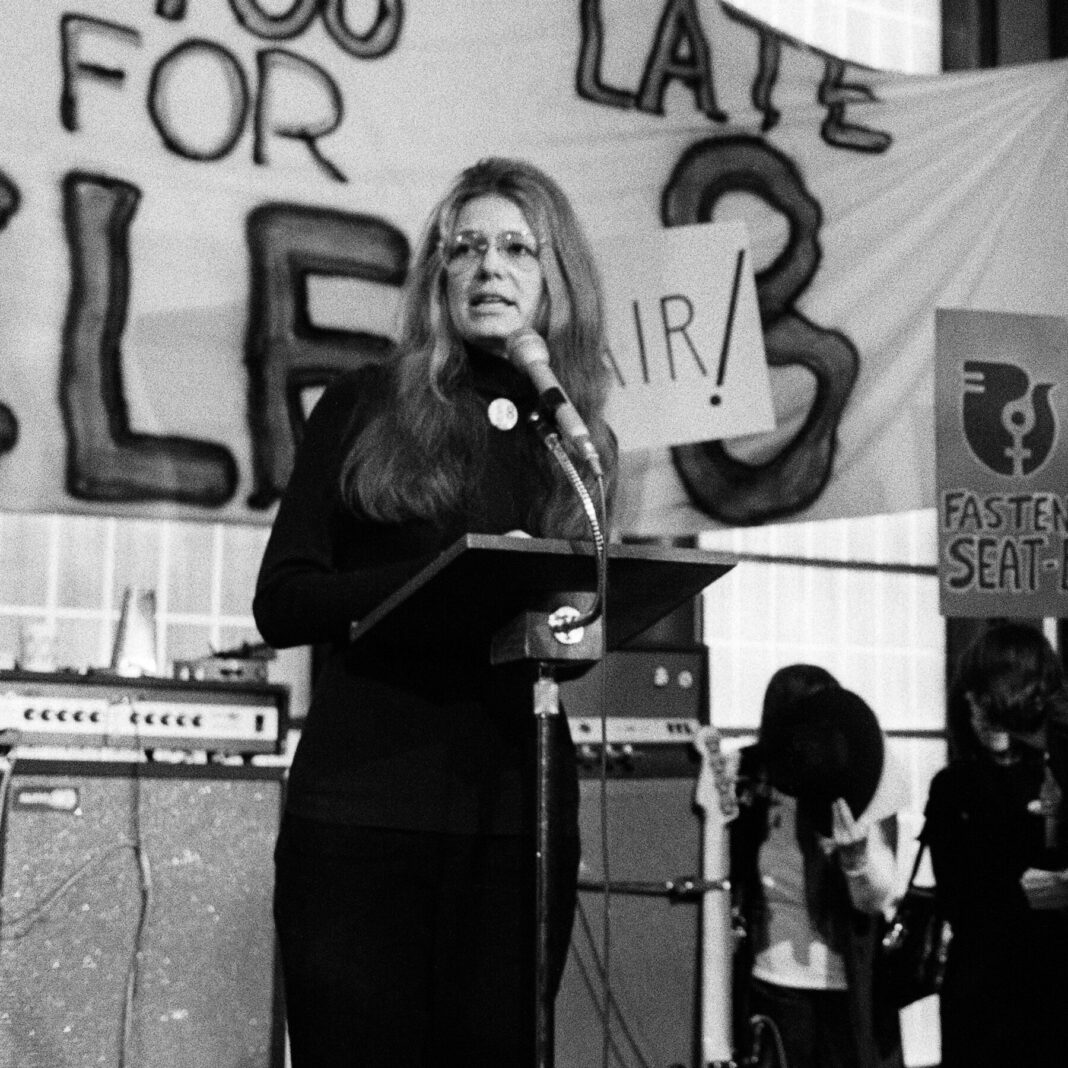
Gloria Steinem, a leading figure in the fight for women’s rights, has died at the age of 92. Her work reshaped how women are perceived in the workplace, at home, and in broader society. She spent decades challenging long-standing sexist beliefs that limited women’s potential.
Steinem rose to prominence as a journalist and activist during the 1960s and 1970s. She co-founded *Ms.* magazine, which provided a new platform for feminist voices. Her writing communicated complex ideas in a way that felt personal and urgent.
Her influence helped women develop a stronger sense of self-worth. She argued that equality was not about fitting into male-defined roles but about expanding choices. Her activism pushed for legal and social changes that allowed women greater control over their lives.
Beyond her public speaking, Steinem worked behind the scenes to build coalitions. She helped organize events and campaigns that drew national attention to issues like workplace discrimination and reproductive rights. Her strategic mind proved as influential as her famous quotes.
Critics often dismissed her as radical, but her ideas gradually entered the mainstream. She connected with audiences by speaking plainly and avoiding jargon. This helped bridge the gap between academic feminism and everyday lived experiences.
Steinem faced personal challenges with the same openness she brought to public issues. She discussed her own experiences with abortion and the struggles of balancing work and personal life. This transparency made her a relatable figure to many who felt isolated in their frustrations.
Her legacy is visible in the growing number of women in leadership positions across industries. However, she often reminded younger activists that progress remains fragile. She continued to advocate for voter participation and social justice well into her later years.
Friends and colleagues remembered her as a relentless listener. She saw listening as a form of organizing, a way to find common ground in a divided society. Her approach emphasized persistence over perfection, a lesson that guided countless movements.
Steinem own life was a testament to her belief that change starts with individuals questioning the given rules. By refusing to accept limits, she created space for others to do the same. Her death marks the end of an era, but her influence will endure through the institutions and minds she helped shape.