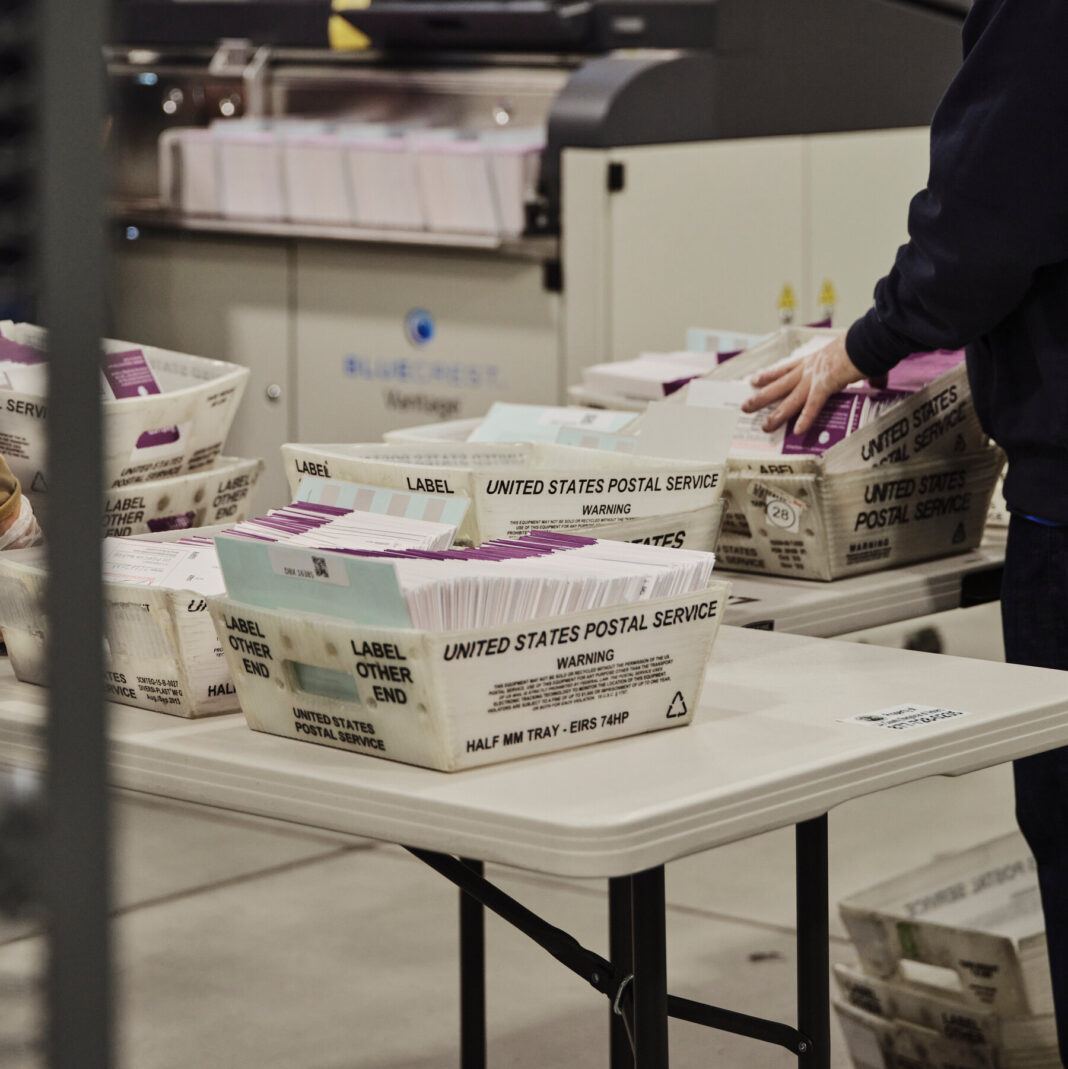
North Carolina has introduced new restrictions to its vote-by-mail program, a move that will likely result in some ballots being disqualified. The changes arrive as former President Trump continues to promote unsubstantiated claims of widespread fraud in mail voting.
State election officials confirmed the updated rules target key steps in the absentee voting process. Voters will now face stricter requirements for ballot return and signature verification. County boards must also adhere to tighter deadlines when processing mailed ballots.
Election experts say the tightened procedures will increase the chance of administrative errors. A rejected ballot could occur if a signature mismatches or if paperwork arrives with minor omissions. These outcomes are almost certain under the new framework.
Supporters of the restrictions argue they are necessary to secure election integrity. They point to the need for uniform standards across all 100 counties. Officials backing the measures emphasize that the rules are clear and enforceable.
Opponents counter that the changes create unnecessary hurdles for lawful voters. They note that mail voting has been a reliable option for decades in the state. Advocacy groups have already signaled plans to challenge the rules in court.
The timing of the policy shift adds further tension to the upcoming election cycle. North Carolina remains a pivotal battleground state in national races. Both major parties are closely watching how the new rules will affect turnout and ballot counts.
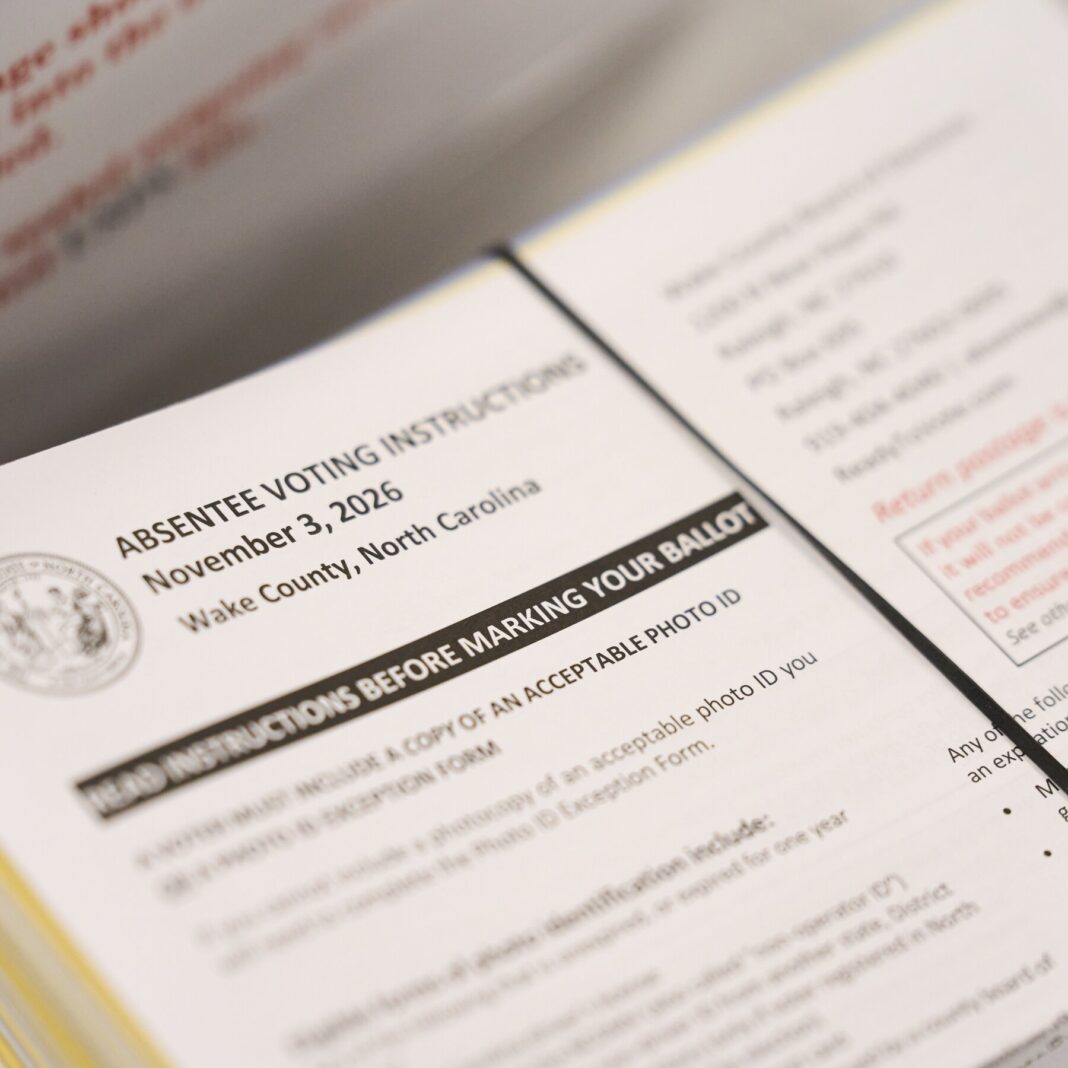
Voters who plan to use mail ballots are urged to read all instructions carefully. Following the updated guidelines precisely is now more critical than ever. County election offices have begun updating their websites with detailed guidance.
The full scope of the impact will not be clear until after the election. Officials will track rejection rates and compare them with previous cycles. Any surge in discarded ballots is likely to fuel additional legal and political battles.
The new restrictions mark a significant shift in how the state administers its vote-by-mail program. They reflect a broader national debate over voting access and security. For now, North Carolina voters must adapt to a more demanding process.