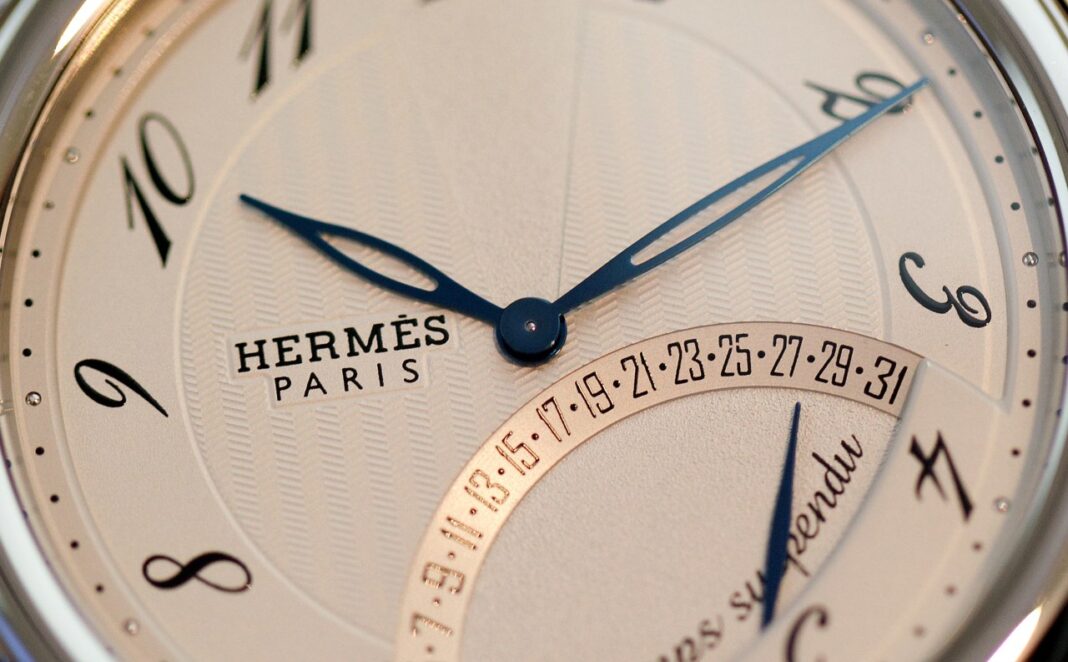
Hermès is pushing to expand its watchmaking division, but the brand’s iconic Birkin bag is complicating that effort. Many customers purchase Hermès timepieces primarily to improve their chances of securing a coveted handbag. This dynamic has created a challenge for the luxury house as it seeks to establish credibility in the high-end watch market.
The French maison has invested heavily in developing its own movements and manufacturing capabilities. Its watch department has unveiled new calibers and complex designs in recent years, signaling a serious commitment to horology. Industry observers note that Hermès aims to compete with established Swiss watchmakers rather than remain a fashion accessory brand.
Yet the shadow of the Birkin looms large over sales patterns. Retail data and insider accounts suggest that a significant portion of watch buyers view them as a gateway purchase. The strategy of allocating rare bags to loyal clients has long been a pillar of Hermès’ business model, but it distorts demand for other product lines.
Watch industry analysts point out that this purchasing behavior undermines the brand’s efforts to attract genuine watch enthusiasts. Serious collectors often seek technical innovation and heritage, not just luxury branding. Hermès has made strides in these areas, but the perception problem persists.
The company introduced its H1912 movement and has partnered with skilled artisans for dial work and case finishing. These efforts have earned respect from within the watch community. Awards and positive reviews from specialized publications have helped build a foundation for the division.
Still, the secondary market tells a different story. Hermès watches rarely hold value like their Birkins do, with many models trading below retail prices on resale platforms. In contrast, handbags from the house frequently command premiums far above their original cost. This gap reinforces the idea that watches serve a different purpose for most buyers.
Leadership within the watch unit has acknowledged the challenge in private discussions. Executives reportedly want to shift the narrative toward the technical merits of their timepieces. They have increased production of high-complication pieces and expanded standalone watch boutiques to create a separate identity.
The path forward remains uncertain, as the bag’s allure continues to pull consumer focus. Some experts suggest that Hermès may need to decouple its sales strategies entirely. Others believe the brand’s long-term reputation will eventually allow its watch division to stand on its own merits.
For now, the watchmaking ambitions of Hermès face a unique obstacle. Growth in that sector depends on convincing buyers to value the craftsmanship for its own sake. Until then, the Birkin will keep shaping perceptions of everything the house sells.