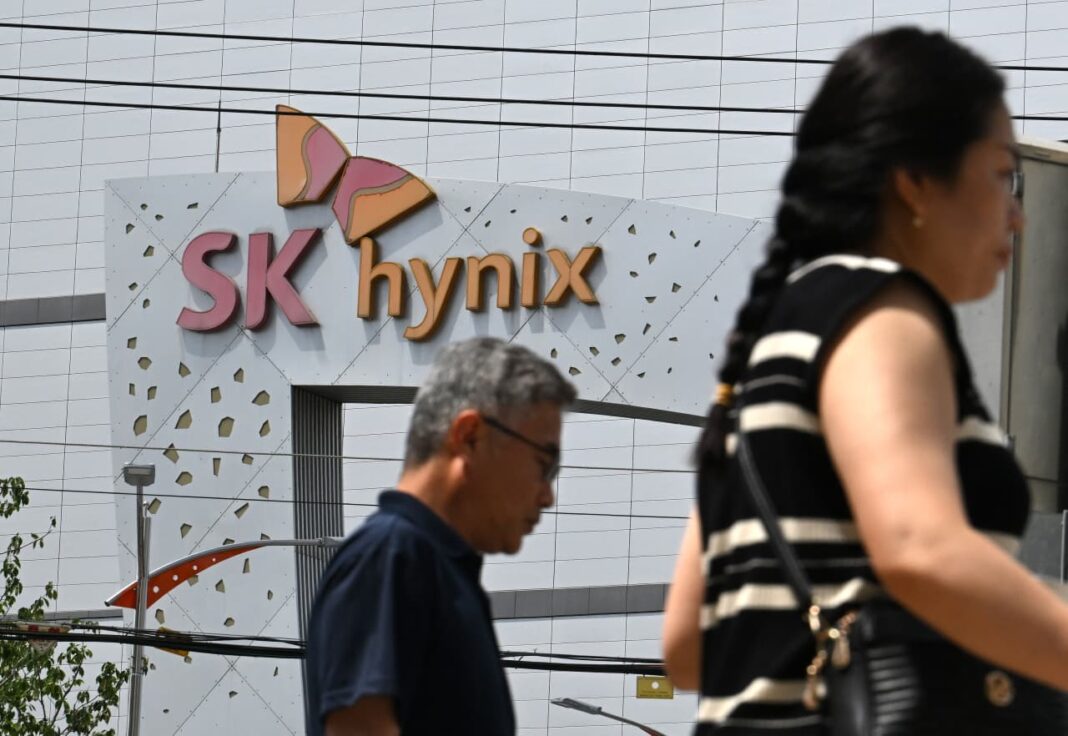
The semiconductor sector has been climbing steadily since hitting a low on July 29, with the latest gains tied directly to OpenAI’s release of its new ChatGPT-6 Astra model. The launch has injected fresh momentum into the market, particularly for companies focused on memory chips. Investors are responding to the expectation that advanced AI models will require significantly more high-bandwidth memory and storage capacity.
The new Astra model places a heavier demand on computational resources, specifically the memory architecture that supports real-time processing. Unlike previous iterations, Astra is designed to handle more complex, multi-step reasoning tasks that require faster data retrieval and larger on-chip memory. This technical shift has made memory components a critical bottleneck and, consequently, a primary target for trading activity.
Manufacturers of dynamic random-access memory (DRAM) and NAND flash have seen their stock prices react positively in recent sessions. The rally is not limited to large-cap players, as smaller suppliers within the memory supply chain are also benefiting. Analysts note that the surge reflects a broader reassessment of memory chip demand forecasts for the coming quarters.
OpenAI’s choice to optimize Astra for edge devices, rather than only cloud-based servers, adds another layer of demand. Running AI models locally requires more memory per unit, pushing smartphone and personal computer makers to upgrade their specifications. This potential for widespread hardware refreshes is a key reason why the trade has broadened beyond data-center operators.
The recovery in the semiconductor index, however, is not solely attributable to the Astra launch. The sector had already been stabilizing due to easing inventory levels and a rebound in consumer electronics orders. The OpenAI announcement served as a catalyst, accelerating a trend that was already in motion following the July trough.
Some market observers remain cautious, pointing to valuation concerns after the recent run-up. Memory chip stocks have historically been volatile, with pricing cycles swinging sharply based on supply and demand imbalances. The current optimism could fade if actual shipments of Astra-related hardware do not match the hype generated by the product release.
For investors, the focus now shifts to earnings reports from major chipmakers in the coming weeks. Those results will offer clearer signals on whether the memory demand is translating into tangible revenue growth. Until then, the sector’s trajectory will likely remain tied to AI-related headlines and broader tech sentiment.
The long-term outlook for memory chips appears constructive, given the ongoing expansion of AI applications beyond chatbots. Autonomous vehicles, industrial automation, and advanced medical imaging all rely on high-performance memory solutions. The Astra launch may simply be the latest reminder of how central these components have become to the technology ecosystem.