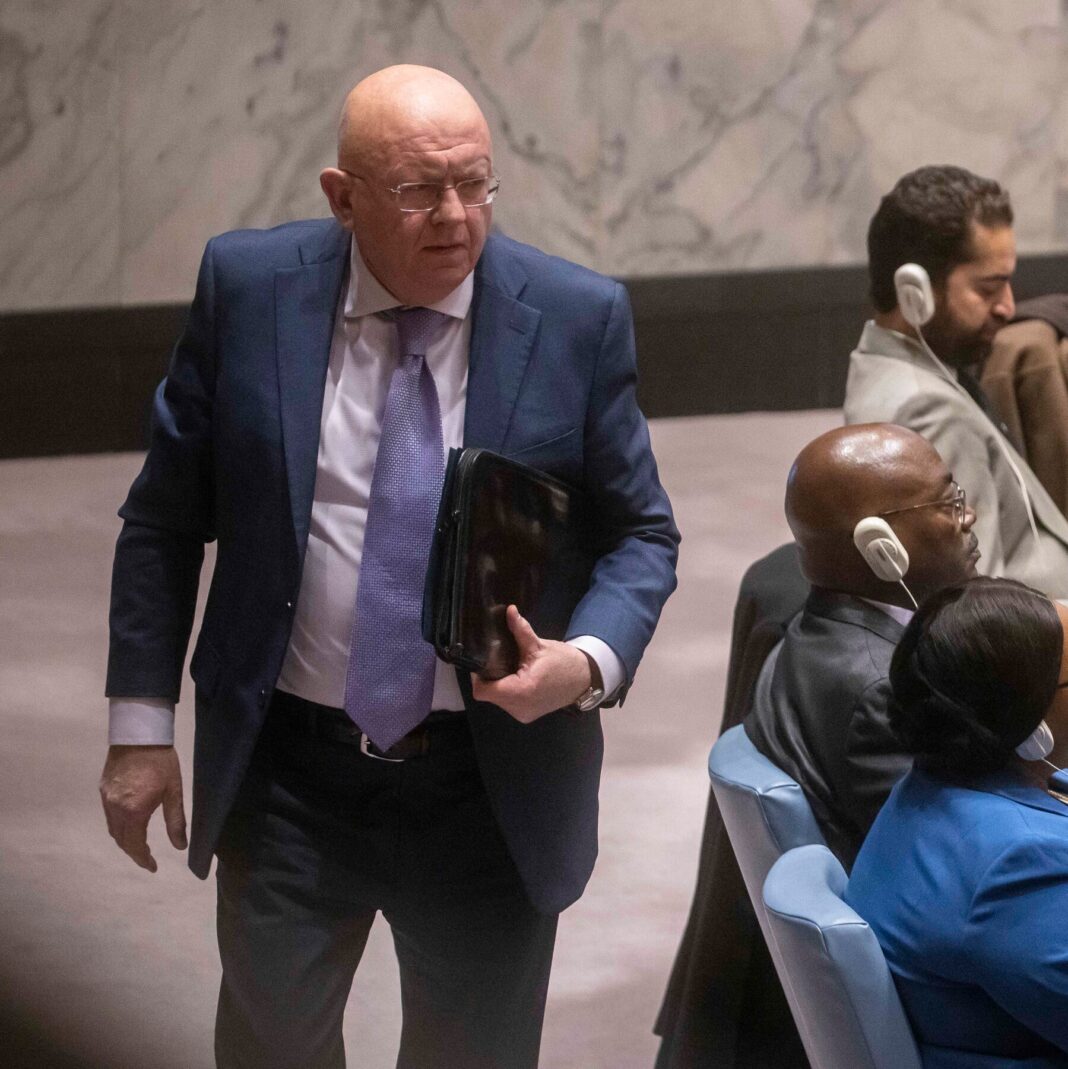
Russia and China blocked a U.S.-led resolution at the United Nations Security Council on September 17, 2026. The measure would have extended international monitoring of Iran’s nuclear program. Both nations used their veto power to defeat the proposal.
The vote highlighted deep divisions among major world powers. Washington has pursued sustained pressure on Tehran over its nuclear activities. Moscow and Beijing have consistently opposed those efforts.
The resolution sought to renew the mandate for inspectors to verify Iran’s compliance with past agreements. Without renewal, that oversight mechanism now faces expiration. The council failed to reach consensus on an alternative path forward.
U.S. officials argued the monitoring was essential for global security. They warned that ending it would remove a key check on Iran’s nuclear ambitions. Supporters of the resolution called the veto a setback for nonproliferation efforts.
Russia and China defended their decision by criticizing U.S. unilateralism. They said forced measures against Iran undermine diplomatic solutions. Both nations have deepened economic and military ties with Tehran in recent years.
Iran welcomed the veto outcome and rejected claims it seeks nuclear weapons. Its government has repeatedly said its atomic program serves peaceful purposes. The country continues to enrich uranium at levels that concern Western capitals.
The Security Council remains divided on how to handle Iran’s nuclear file. European members expressed disappointment but stopped short of new punitive steps. Diplomatic channels between Iran and the West remain largely stalled.
The veto raises questions about the future of multilateral nuclear oversight. Without U.N. monitoring, verification of Iran’s activities could become harder. Regional powers may now seek their own security arrangements in response.