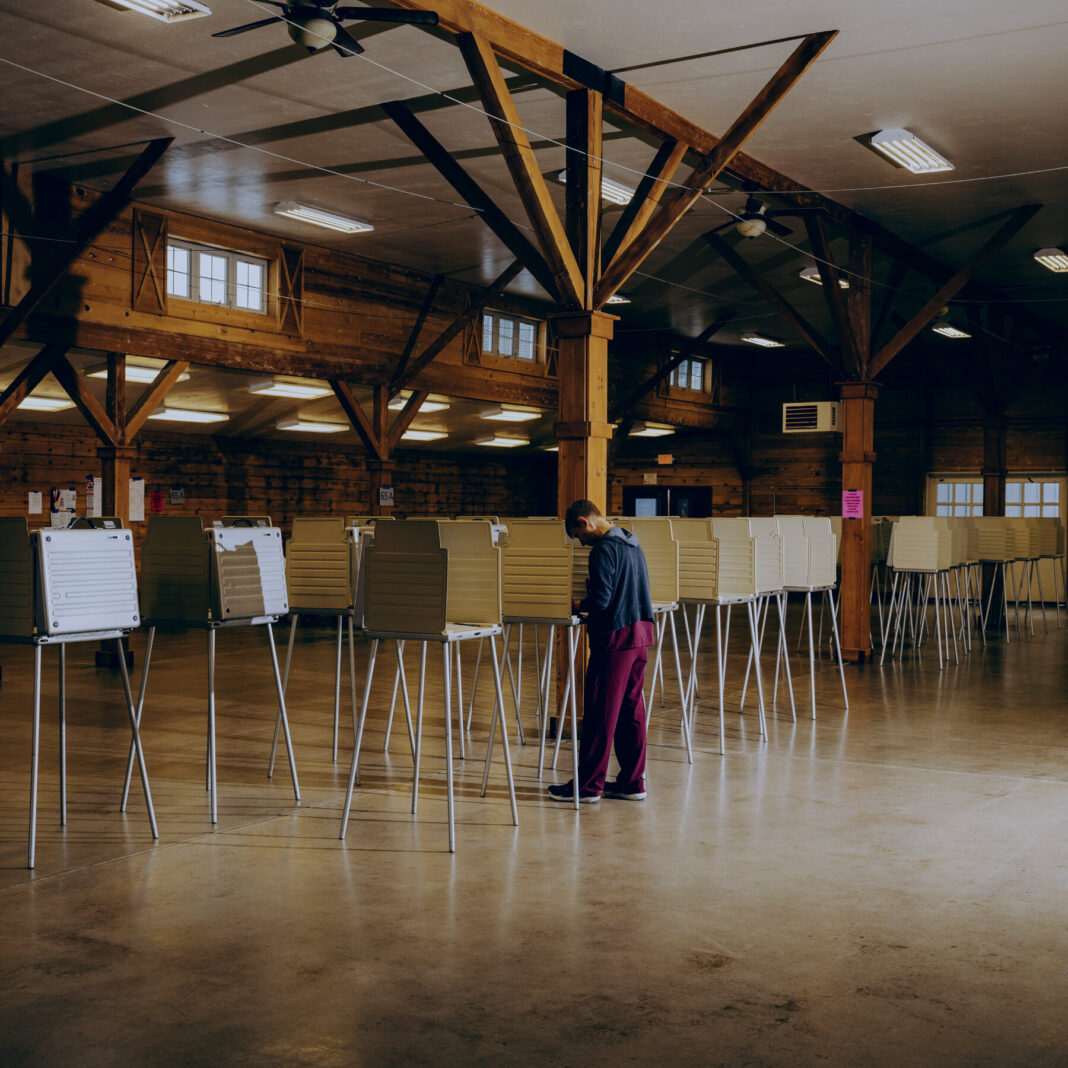
A ballot measure in Montana seeks to limit corporate spending in political campaigns. It will appear before voters in November. Supporters say it targets anonymous political contributions.
The proposal aims to reduce the influence of so-called dark money. This refers to political spending by groups that do not disclose their donors. Montana voters will decide whether to approve the measure.
Opponents argue the measure conflicts with a U.S. Supreme Court ruling. That decision, Citizens United v. Federal Election Commission, allowed unlimited independent political spending by corporations and unions. Critics say the Montana measure cannot override federal precedent.
The measure’s supporters disagree. They contend that states retain the right to regulate political spending within their borders. They point to Montana’s long history of restricting corporate money in elections.
If passed, the measure would ban corporate contributions to candidates and political parties. It would also require more disclosure from groups that spend money on elections. Enforcement would fall to state election officials.
Legal experts expect a swift challenge if the measure becomes law. Similar efforts in other states have faced court battles. The outcome could set a precedent for state-level campaign finance rules.
Montana has previously attempted to limit corporate political spending. A 2012 state law was struck down in federal court. The new measure is designed to avoid the same legal pitfalls.
The November vote will test public appetite for stricter campaign finance rules. National groups on both sides are watching the race. Their involvement could signal how similar measures fare elsewhere.