Ohio’s race for governor has thrust toxic fracking waste into the political spotlight. A Democratic candidate endorsed new limits on wastewater disposal near a struggling community. The proposal also calls for a full review of the risks tied to the practice.
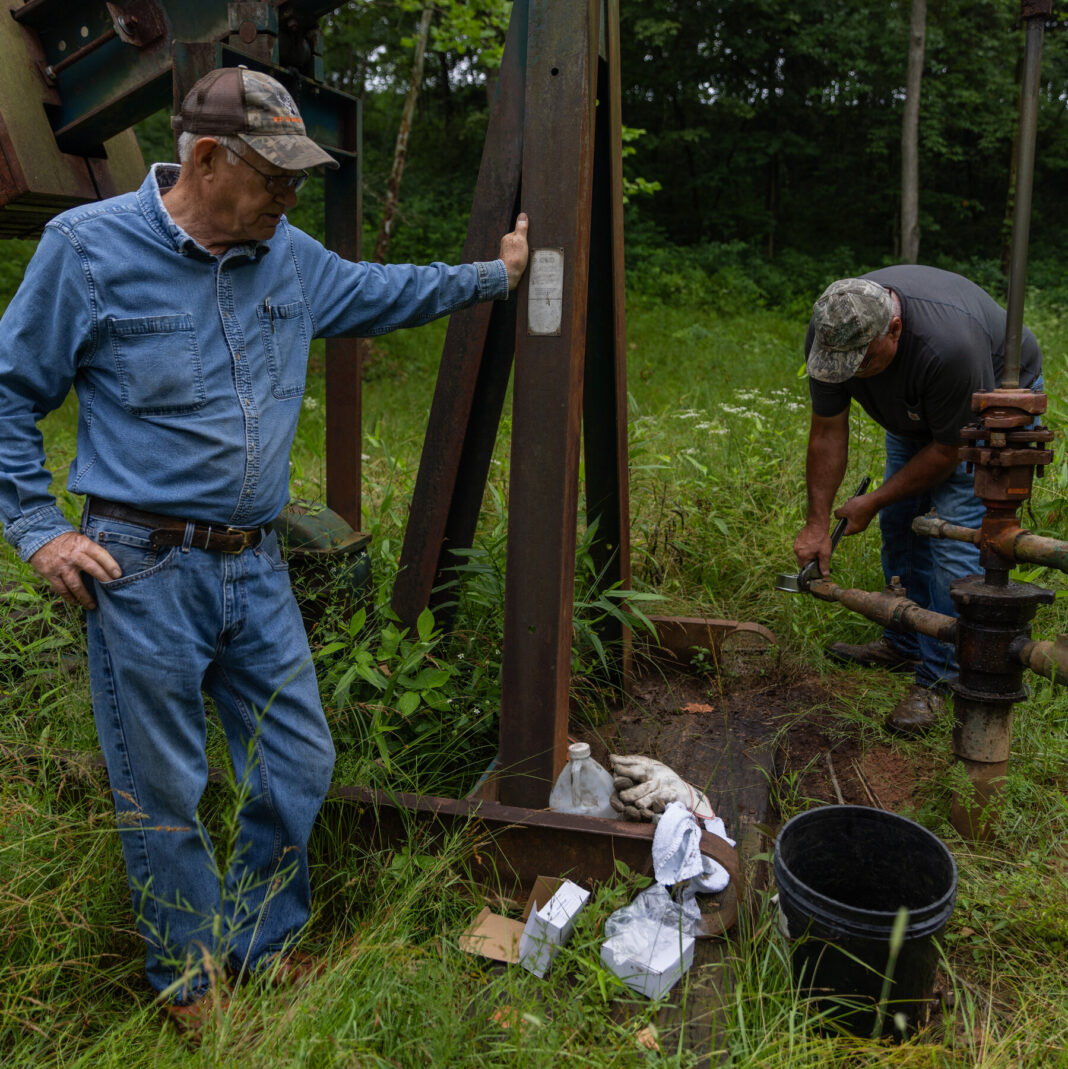
The debate centers on Acton and surrounding areas that have absorbed large volumes of drilling waste. Residents there have reported health and environmental problems for years. State regulators have faced growing pressure to act.
Fracking generates billions of gallons of wastewater nationwide each year. Ohio has become a major destination for this waste from other states. Much of it gets injected underground through disposal wells.
Scientists link these wells to earthquakes and groundwater contamination. Trucks hauling the waste also create traffic and spill risks. Communities near disposal sites often bear the heaviest burden.
The candidate’s moratorium would pause new permits around Acton. It would also require a thorough investigation before any expansion. The plan stops short of a statewide ban on disposal.
Industry groups argue that restrictions could backfire. They say Ohio needs the wells to manage waste safely and affordably. A shutdown could push the problem to states with weaker rules.
Environmental advocates welcome the proposal but want stronger action. They point to years of complaints that regulators dismissed. The issue now tests how far candidates will go on fossil fuel waste.
The moratorium debate reflects a wider national fight over fracking’s legacy. States across the country grapple with similar disposal problems. Ohio’s decision could set a precedent for others.