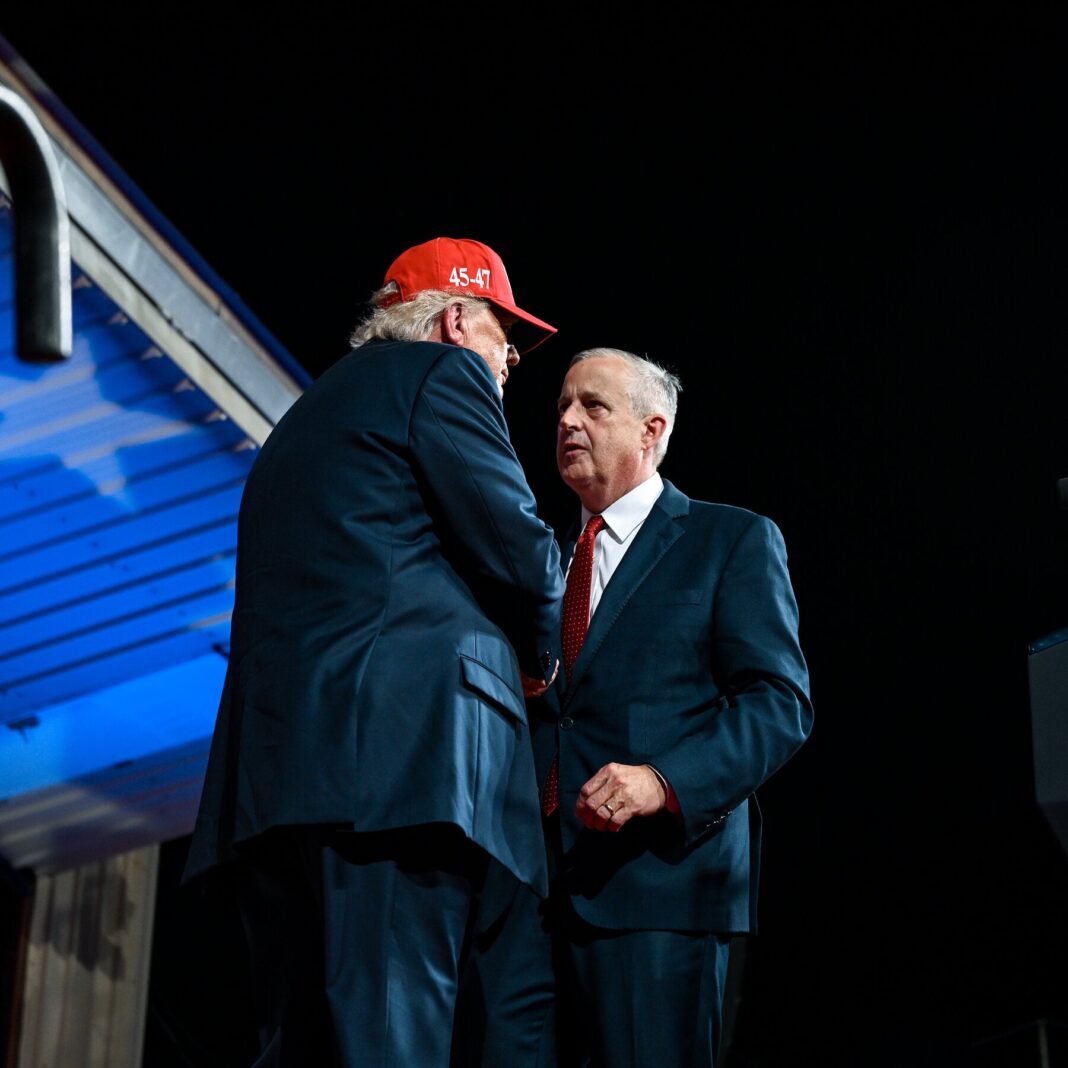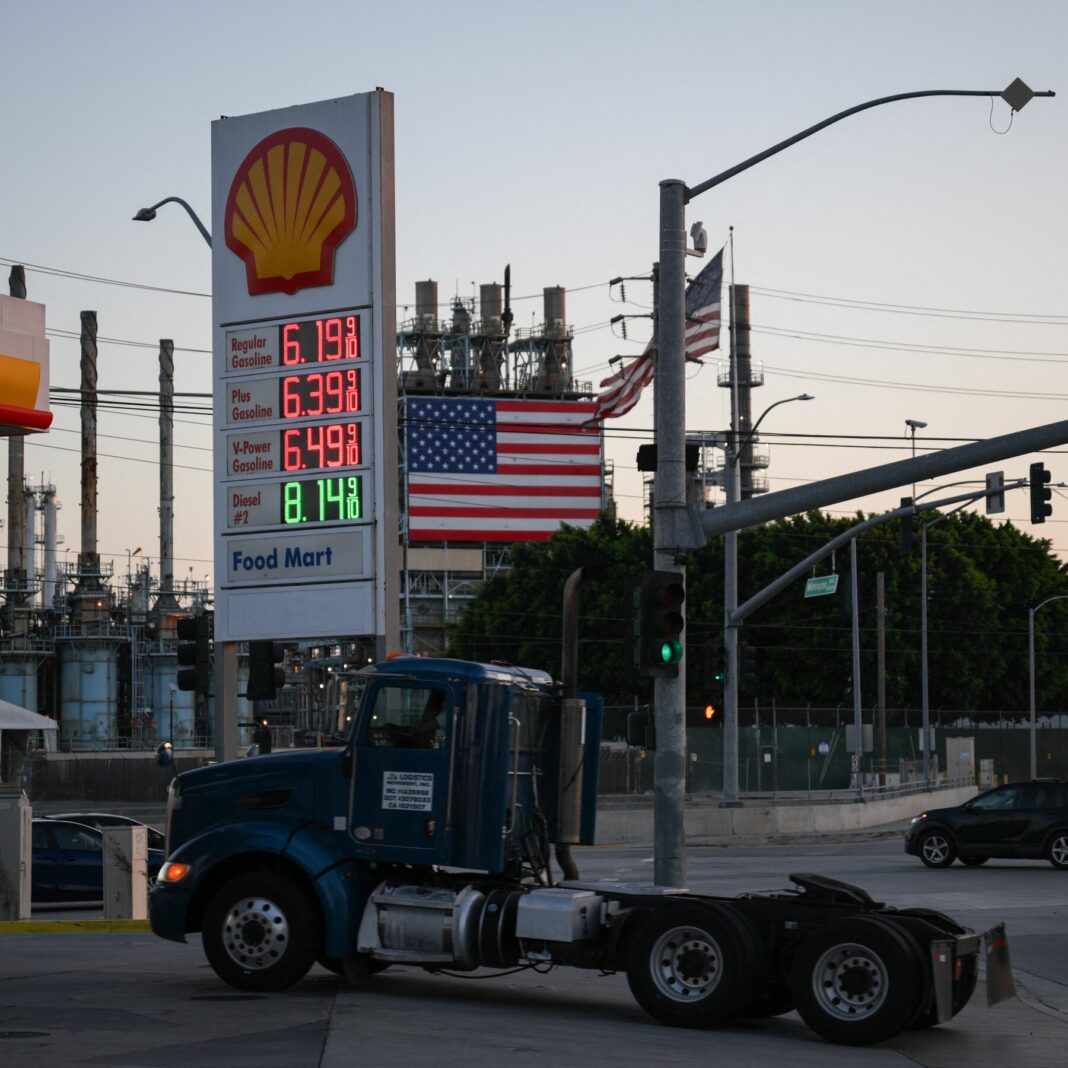
President Trump is considering restricting diesel exports to lower domestic prices. The proposal aims to keep more fuel at home. Experts warn the policy could backfire in several ways.
Diesel markets are global, not regional. U.S. refiners sell excess supply abroad when domestic demand is weak. An export ban would cut off that outlet. Refiners would then reduce production.
Lower production means less diesel on the domestic market. That could push prices higher, not lower. The opposite of the intended effect.
Refiners also rely on export revenue to stay profitable. Restricting sales abroad would squeeze margins. Some facilities might cut runs or shut down. That would tighten supply further.
U.S. diesel exports support global markets, especially in Latin America and Europe. An abrupt ban would disrupt those supply chains. Allies could retaliate with their own trade measures.
Domestic diesel prices depend on crude oil costs, refining capacity, and distribution. An export ban does not address any of these factors. It targets only one part of a complex system.
Experts say the policy would create uncertainty for refiners and traders. That uncertainty often leads to higher prices, not lower ones. Markets tend to react before rules even take effect.
A more effective approach might focus on refining capacity or fuel standards. But those changes take years, not weeks. An export ban offers a quick announcement with slow and unpredictable results.