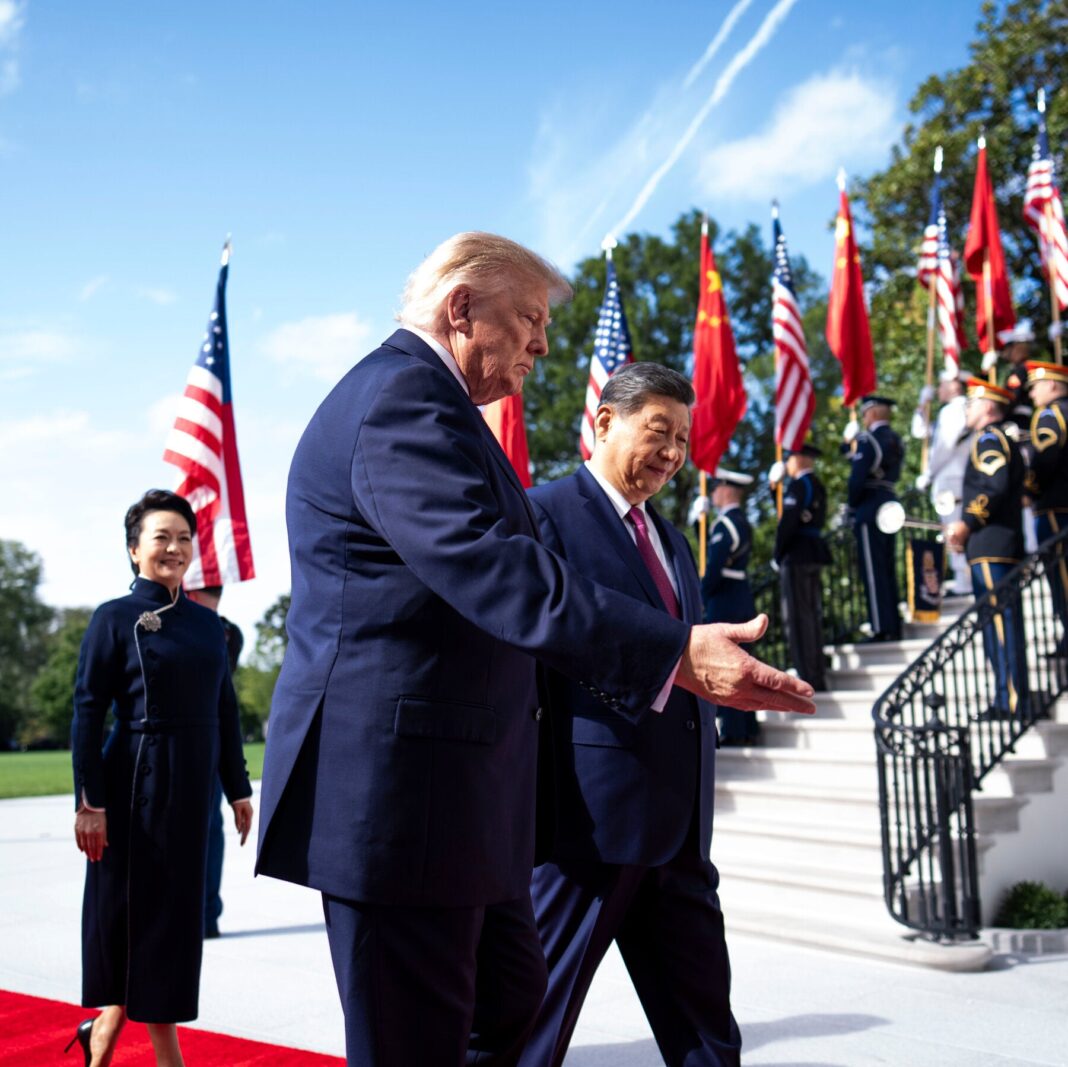
China has secured a temporary reprieve in its trade conflict with the United States. The truce with the Trump administration offers Beijing breathing room. This pause allows China to focus on domestic economic challenges.
The agreement reduces immediate pressure from Washington. Tariffs and export controls had strained Chinese industries. A calmer relationship lowers the risk of further escalation.
Beijing faces slowing growth and weak consumer demand. Property sector troubles continue to weigh on the economy. The truce gives policymakers space to address these issues.
China also aims to cut its vulnerability to American pressure. Dependence on U.S. technology and markets remains a concern. Time allows for efforts to diversify trade partners.
The deal does not resolve core disputes between the two powers. Issues like industrial subsidies and tech restrictions remain. Both sides retain leverage for future negotiations.
For Trump, the truce offers a pause in a costly trade war. It may ease market uncertainty before political cycles. However, critics warn that China could use the time to strengthen its position.
The agreement is temporary and lacks a long-term framework. Either side could restart hostilities if talks fail. Businesses remain cautious about planning beyond the short term.
China’s reprieve is valuable but fragile. Domestic reforms and external diversification take time. The truce buys that time, though its duration is uncertain.