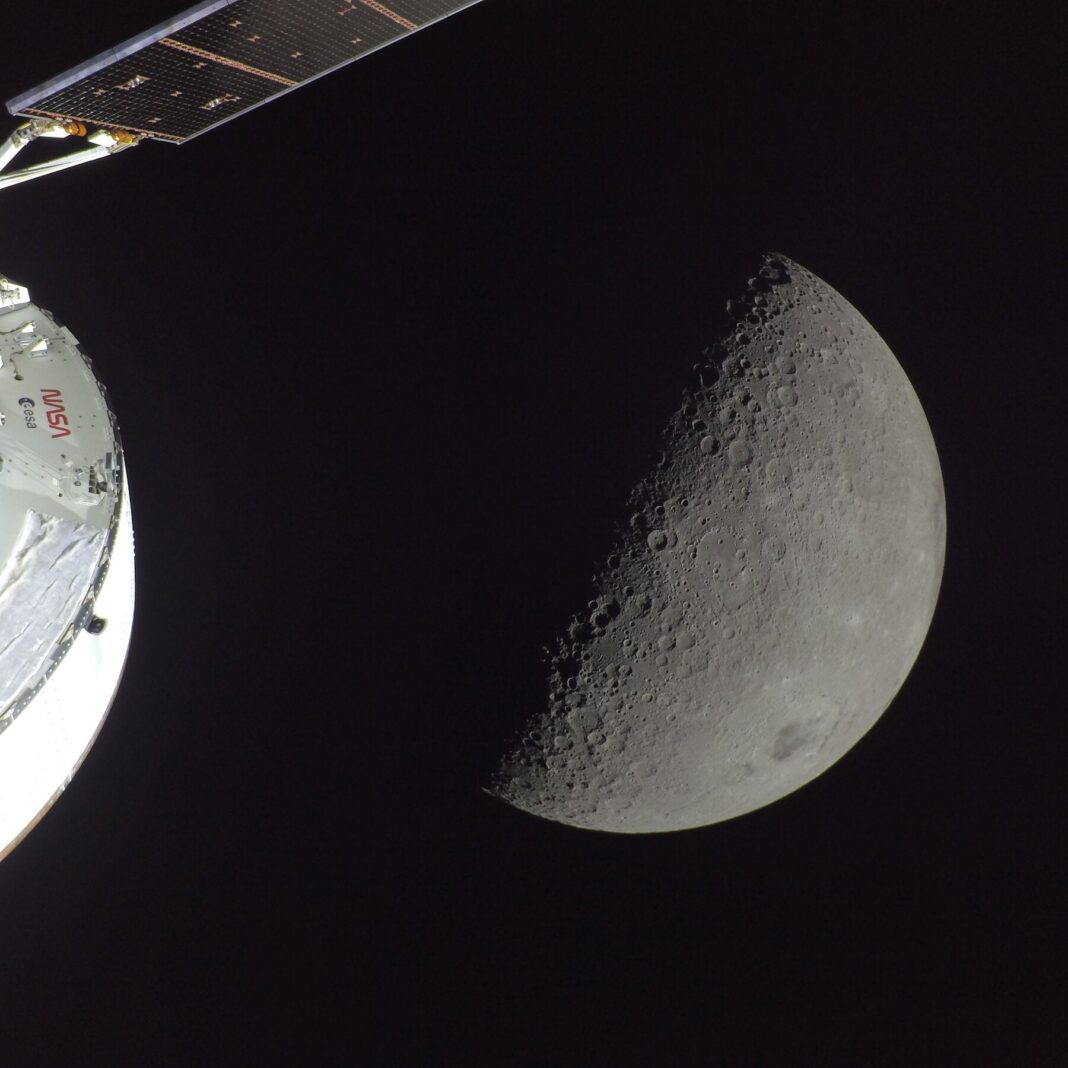
A 1967 treaty declares that no nation can claim outer space as its own. The Outer Space Treaty has guided international space law for over fifty years. It remains the primary legal framework for lunar and orbital activities.
The treaty prohibits sovereign claims but does not address private ownership. This gap has become more significant as commercial space activity grows. Companies now seek to extract resources from the moon and asteroids.
Billionaires have entered the space race with ambitious plans. Private firms aim to mine lunar water ice and rare minerals. These resources could support deep-space missions and generate profit.
Superpowers are also expanding their lunar programs. China, the United States, and others have announced missions to the moon’s south pole. Competing claims over strategic sites have already begun to emerge.
Existing law offers little guidance on resource extraction. A 1979 agreement tried to regulate lunar mining but few nations ratified it. The United States and Luxembourg have passed laws allowing private companies to own extracted materials.
Legal experts debate whether such laws violate the treaty. Some argue that extraction is permitted because it does not involve claiming territory. Others warn that unilateral actions could spark conflict.
The international community has yet to agree on a new lunar framework. The United Nations hosts ongoing discussions but progress is slow. Without clear rules, economic competition may outpace legal consensus.