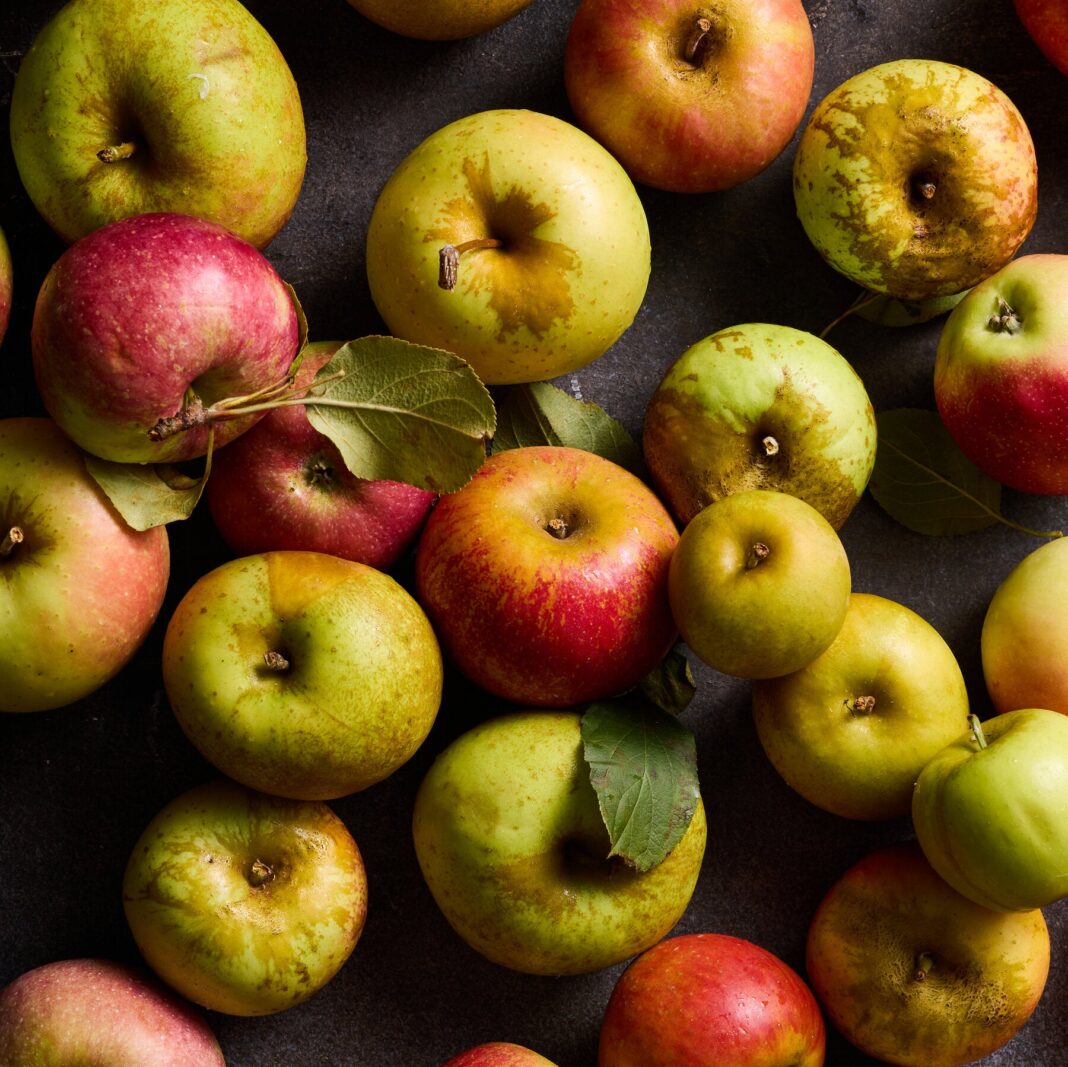
Antique apple varieties are gaining attention among chefs and home growers. Names like Esopus Spitzenburg and Cornish Gilliflower sound unusual to modern ears. These old cultivars offer flavors and textures that mass-market apples often lack.
Commercial orchards largely abandoned these varieties over the past century. Supermarkets demanded uniform size, long shelf life, and durable skin. The apples that met those standards became dominant, pushing hundreds of older types to near extinction.
Heirloom apples differ in significant ways from modern staples. Their flesh can be crisp, dense, or melting, depending on the type. Flavors range from pineapple and pear to spice and wine-like notes.
The Esopus Spitzenburg, first grown in New York in the late 1700s, was a favorite of Thomas Jefferson. It delivers a complex, tart-sweet taste suited to fresh eating and baking. The Cornish Gilliflower, from England, carries a distinct clove-like aroma.
Hubbardston Nonesuch, a Massachusetts original, is juicy and mildly tart. It works well in pies and sauces without turning mushy. Each variety brings a specific culinary purpose that generic apples cannot match.
Orchards and nurseries have seen rising demand for these historic fruits. Specialty growers now graft rare trees to preserve genetic diversity. Cider makers, in particular, prize antique apples for their tannins and balanced acidity.
Home gardeners can plant heirloom trees with relative ease. Most require full sun and well-drained soil, similar to common varieties. Patience is necessary, as some trees take several years to bear fruit.
Choosing an antique apple is more than a novelty. It supports agricultural heritage and broadens what a single fruit can offer. The next favorite apple may already have centuries of history behind it.