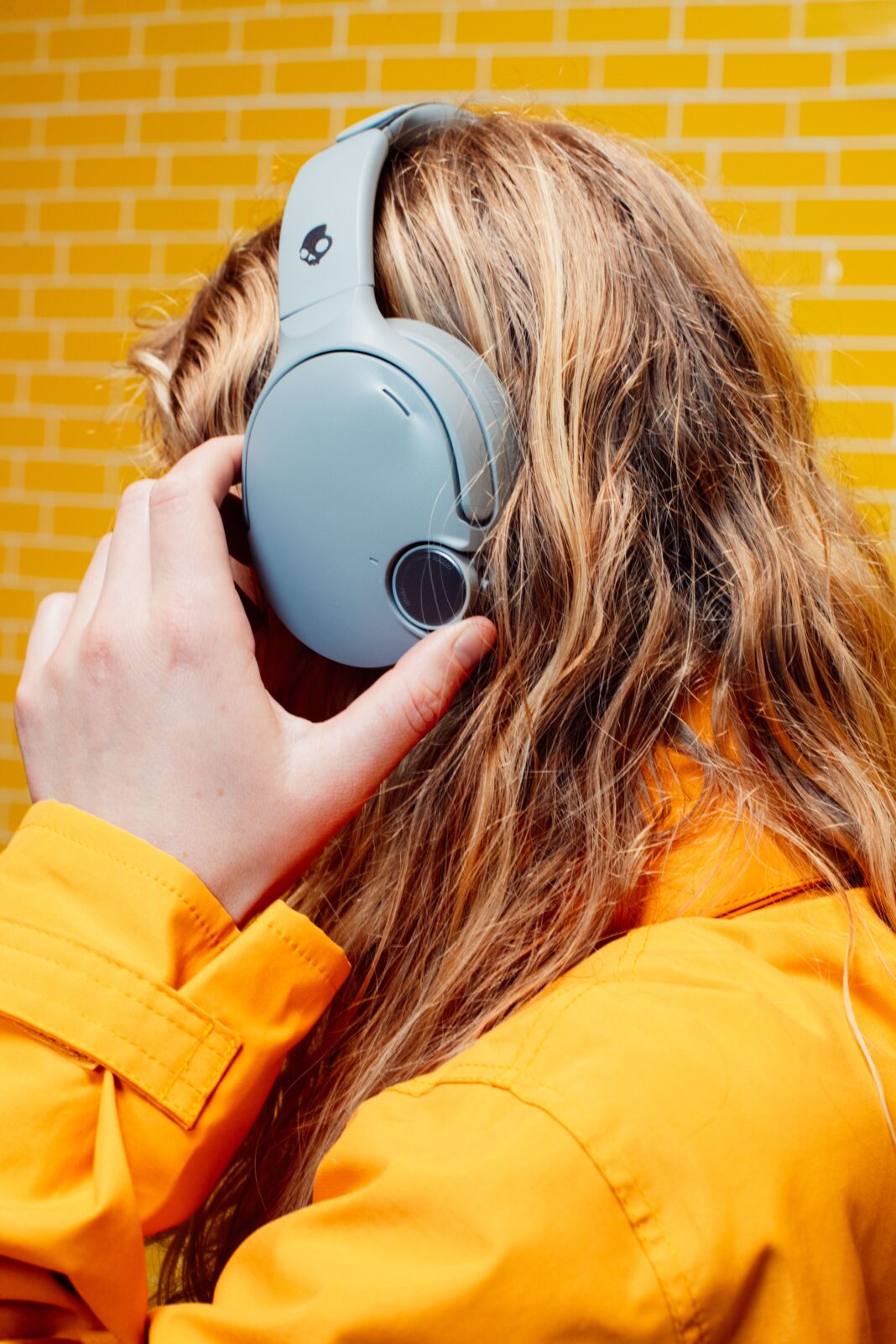
Bose has agreed to acquire Skullcandy, a move that expands its reach into budget-conscious and youth-oriented audio markets. The deal keeps Skullcandy based in Park City, Utah, preserving its separate brand identity. Financial terms were not disclosed.
Skullcandy built its reputation on affordable headphones and earbuds with a strong skate and snowboard culture connection. That positioning contrasts with Bose’s premium pricing and mainstream appeal. The acquisition gives Bose access to listeners it has struggled to attract.
Bose plans to operate Skullcandy as a standalone business rather than folding it into its existing lineup. The Park City headquarters will remain intact, along with the brand’s marketing and product teams. This structure aims to protect what made Skullcandy successful in the first place.
The strategy mirrors moves by other major audio companies seeking broader market coverage. Owning both premium and budget brands lets a parent company compete across price tiers without diluting either label. Skullcandy’s loyal customer base is unlikely to pay Bose prices, and Bose buyers expect higher-end features.
Skullcandy has faced pressure from cheap wireless earbuds flooding the market in recent years. Its revenue has fluctuated as competition intensified from no-name brands and larger rivals alike. Bose’s resources could help Skullcandy improve supply chains and product development.
For Bose, the deal offers immediate credibility with younger consumers and a stronger foothold in action sports culture. Skullcandy’s sponsorships and athlete partnerships provide marketing channels Bose has not pursued. The parent company can also share technology and manufacturing efficiencies where appropriate.
Regulators are expected to review the acquisition, though analysts anticipate few obstacles given the companies’ different market segments. The deal is projected to close in the coming months, pending approval. Neither company has announced planned product changes or leadership shifts.