The United States and Israel have begun drafting plans for a possible new round of strikes on Iran. The planning follows recent elections and signals a renewed focus on Tehran’s nuclear program. Officials describe the effort as contingency planning rather than a final decision.
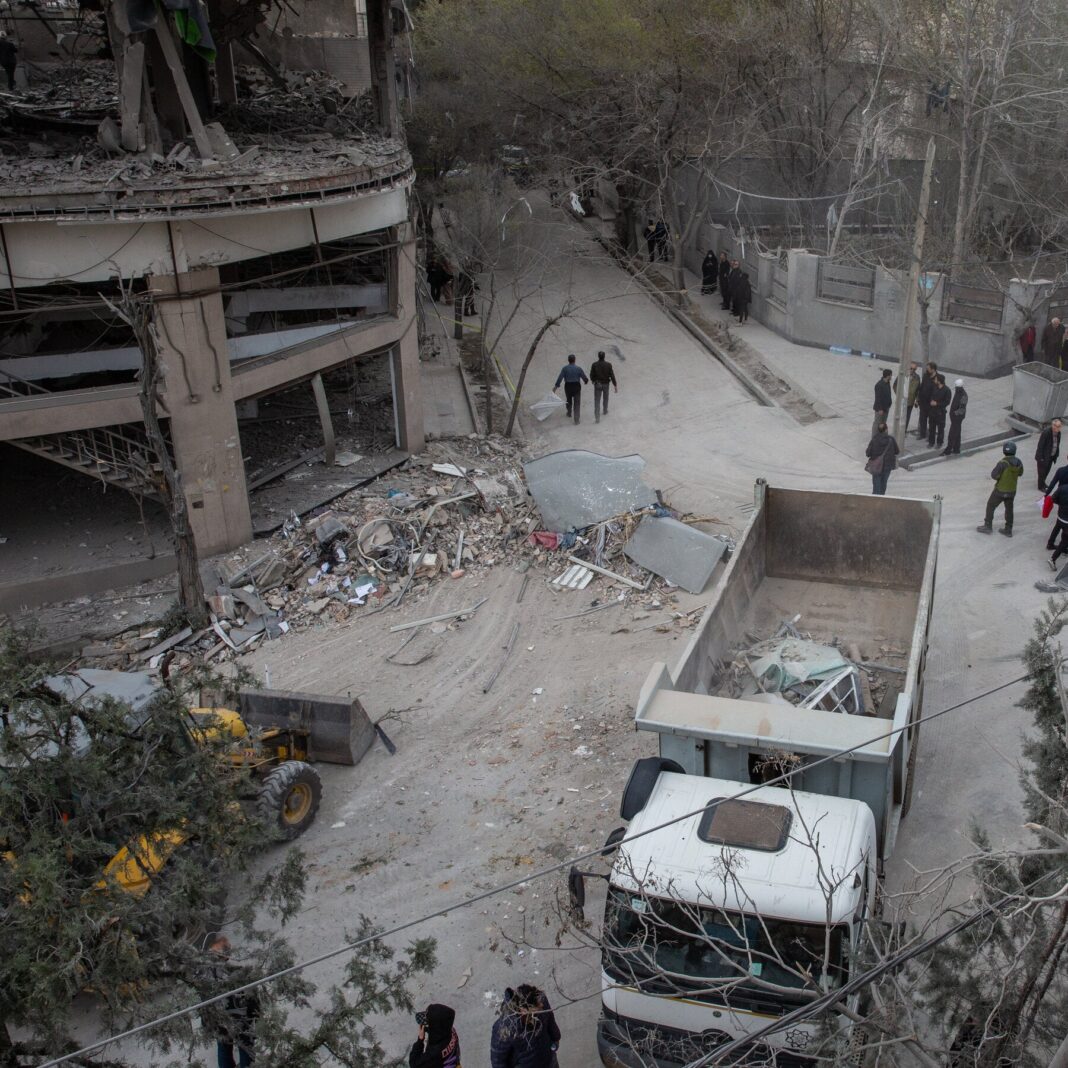
A second campaign carries no guarantee of better results than the first phase of the conflict. Earlier strikes damaged some facilities but left key sites intact. Military planners now face the same difficult targets with limited options.
President Trump has repeatedly called off plans to return to major combat. He canceled similar operations on more than one occasion during the previous standoff. Advisers say he remains wary of a prolonged war in the region.
The new plans focus on a narrower set of targets than earlier proposals. Precision strikes could aim at nuclear and military sites rather than a broad campaign. Such an approach would limit exposure but may not end the program.
Iran has rebuilt and dispersed some capabilities since the first phase. Its air defenses remain active, and key facilities sit deeper underground. Analysts say any new strikes would face a harder target set.
Regional partners are watching the planning closely. Gulf states worry about retaliation against shipping lanes and energy infrastructure. Israel has signaled it would act independently if diplomacy stalls.
The White House has not approved any new operation. Officials stress that planning does not equal intent to strike. A decision would depend on intelligence and Iran’s next moves.