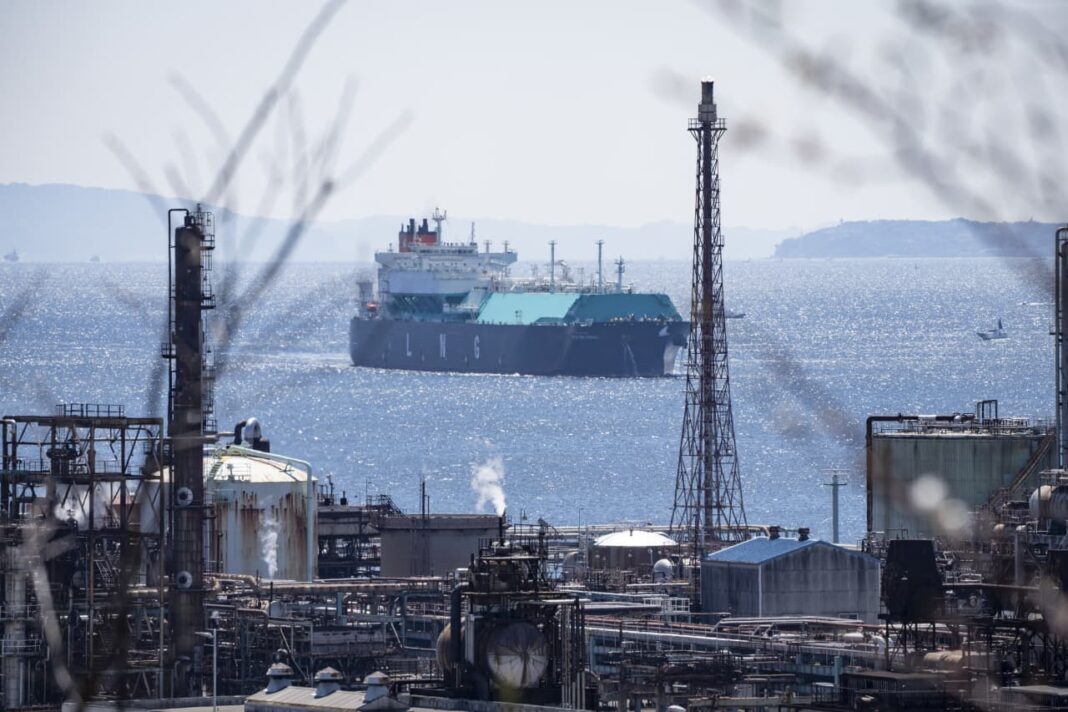
Global energy inflation surged in March at its fastest pace in a quarter-century. This sharp increase marks a significant economic shift with widespread implications.
An economist analyzing government data identified the primary driver. The conflict involving Iran has severely disrupted energy markets and supply chains.
This disruption directly fueled the historic spike in prices. The scale of the increase underscores the conflict’s profound impact on global energy stability.
Consumers worldwide are feeling immediate effects through higher costs. Heating, transportation, and electricity bills have risen substantially.
Industries reliant on energy are also facing increased operational expenses. This contributes to broader inflationary pressures across the global economy.
The March data provides a clear snapshot of geopolitical tensions translating into economic reality. It highlights the fragile interdependence of energy markets.
Such a pronounced increase serves as a critical indicator for policymakers and analysts. Monitoring these trends is essential for understanding future economic directions.