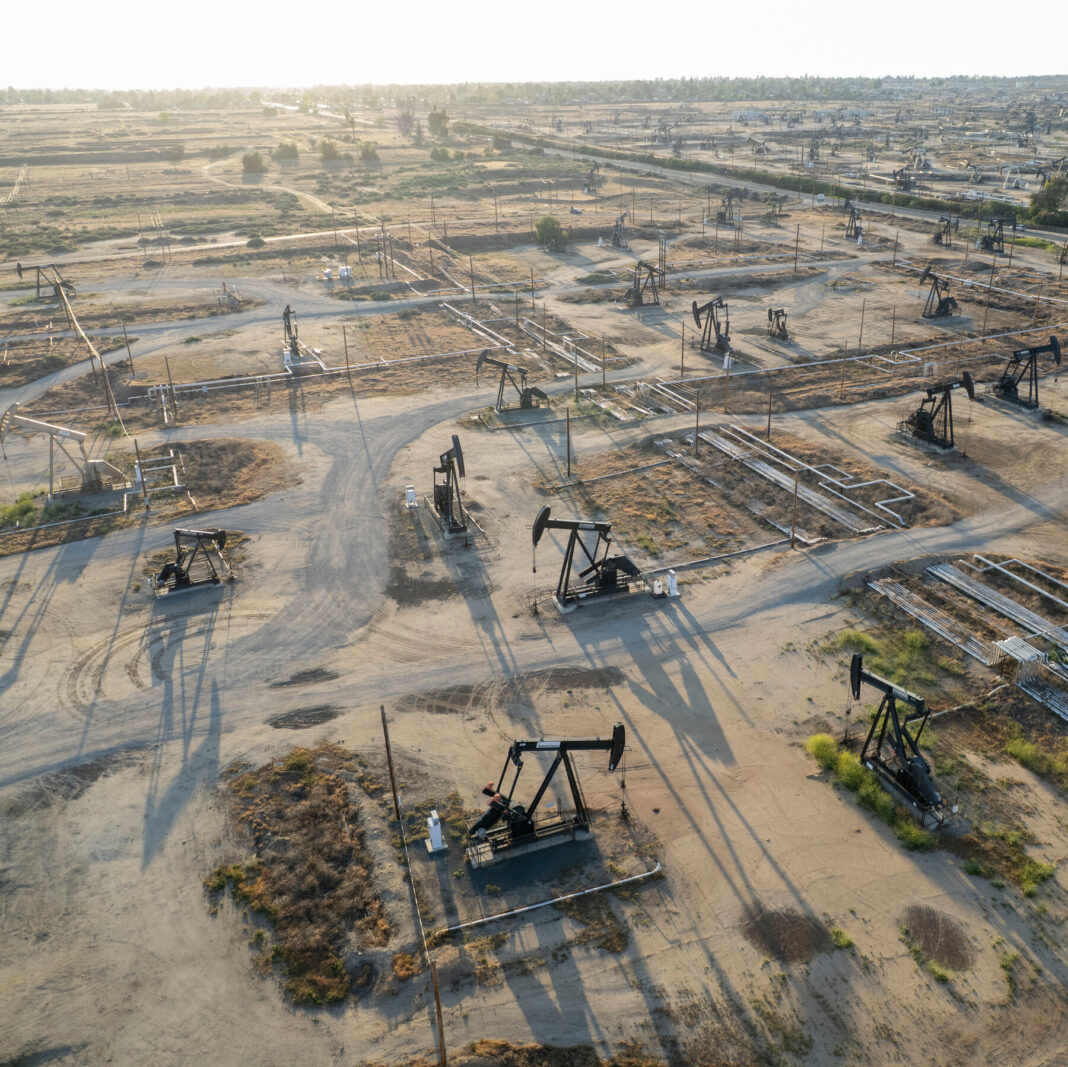
American oil companies face mounting pressure from investors to maintain strict financial discipline, limiting their ability to boost global production. Shareholders demand that executives prioritize dividends and buybacks over costly drilling projects. This cautious approach leaves the industry unable to rapidly expand output even as geopolitical turmoil disrupts supply.
Energy producers remain hesitant to increase well counts due to uncertainty about long-term oil prices. Many executives recall the boom-and-bust cycles that followed previous price spikes and are reluctant to repeat past mistakes. The industry’s memory of the 2020 price collapse still shapes investment decisions today.
Geopolitical tensions have created a gap between global oil demand and available supply. The ongoing conflict involving Iran has removed significant barrels from the market. Yet American producers are not rushing to fill that void.
Investor demands for capital discipline override the traditional incentive to drill when prices rise. Major oil companies now operate with a laser focus on returns rather than production growth. This marks a fundamental shift from the industry’s behavior in past decades.
The energy sector’s new strategy reflects a broader change in Wall Street’s expectations. Analysts reward companies that keep spending tight and cash flowing to shareholders. Expanding drilling programs would risk losing that investor confidence.
Regulatory hurdles also slow any potential production surge. Permitting processes, environmental reviews, and supply chain constraints all create bottlenecks. Even if companies wanted to drill more, they could not do so quickly.
Despite the ongoing energy gap, American oil executives show no sign of changing course. The industry has committed to a lower-growth model focused on shareholder value. That approach now shapes how the world’s most powerful oil producers respond to crises.