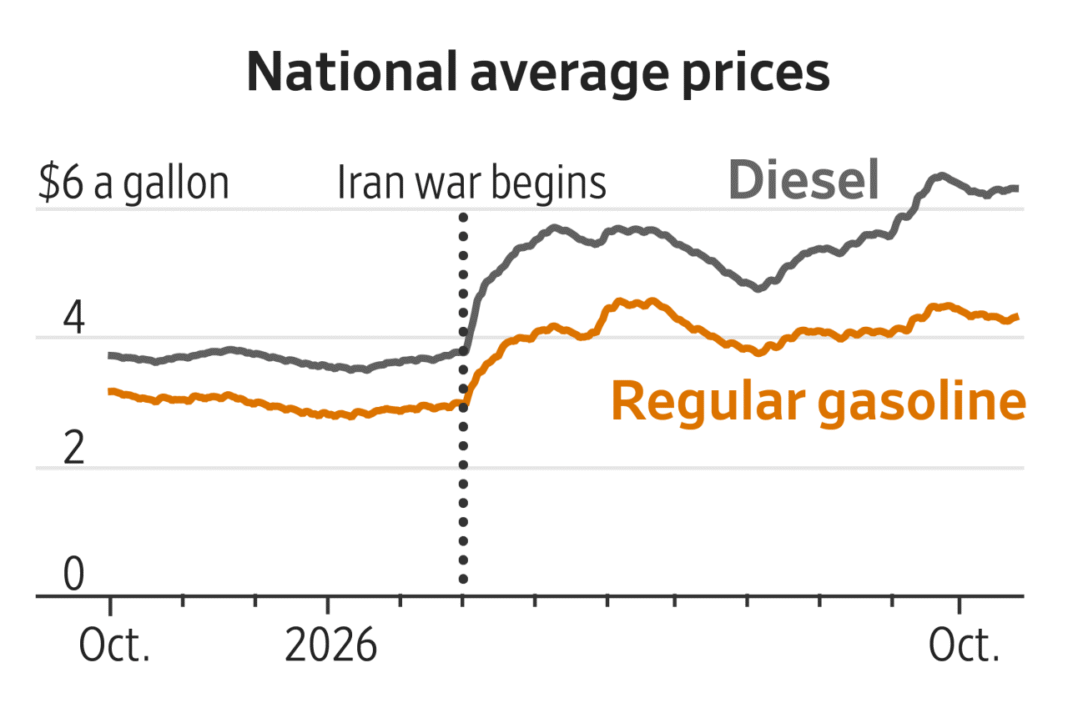
Gasoline prices vary widely depending on where drivers live. Regional differences reflect taxes, supply routes, and local competition. Tracking these prices helps consumers understand what they pay at the pump.
National averages offer only a partial picture. Prices in some states run far above the national figure. Others sit well below it, sometimes by more than a dollar per gallon.
State fuel taxes play a major role in the gap. States with higher taxes tend to see steeper pump prices. Local fees and environmental programs can add to the total.
Supply and logistics also shape what drivers pay. Areas far from refineries face higher transportation costs. Regions with limited pipeline access often see prices climb.
Competition among stations matters as well. Densely populated areas usually have more stations and sharper price competition. Rural areas may have fewer options and less downward pressure on prices.
Seasonal factors add another layer of variation. Refiners switch fuel blends in spring and summer, which can push prices up. Demand spikes during holiday travel periods often lift prices further.
Consumers can track prices in their area and compare them with national trends. Regular monitoring helps drivers spot patterns and plan fuel purchases. Price data also shows how quickly local markets respond to changes in crude oil costs.