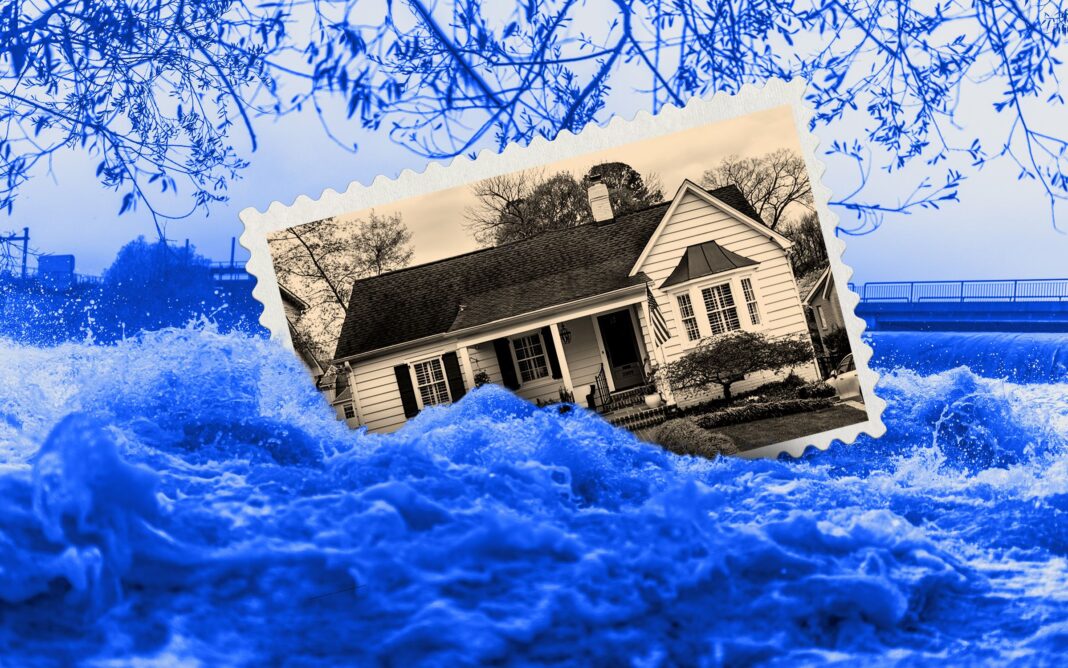
Homeownership has long been marketed as a path to financial security. Yet climate-driven disasters are turning that promise into a burden for many owners. Rising risks are exposing cracks in a system built on stability.
Wildfires, floods, and hurricanes now strike with growing frequency. Each event can wipe out years of accumulated equity in a single season. Insurance costs are climbing as carriers reassess exposure.
Some insurers have stopped writing policies in high-risk regions altogether. Without coverage, mortgages become harder to secure and homes harder to sell. Owners can find themselves locked into properties they cannot offload.
Federal aid programs offer limited relief after disasters. The application process is slow, and payouts often fall short of full repair costs. Many households absorb the difference through savings or debt.
Home values in vulnerable areas may already reflect the shifting risk. Buyers are growing more cautious about where they commit. That caution could erode the wealth-building case for ownership.
Local governments face pressure to harden infrastructure and update building codes. Such measures cost money, and the bill often reaches homeowners through taxes or fees. Renters feel the strain through higher rents as well.
The dream of a fixed, appreciating asset no longer fits every market. Climate data is becoming as important as school districts and commute times. Buyers who ignore it do so at their own financial risk.