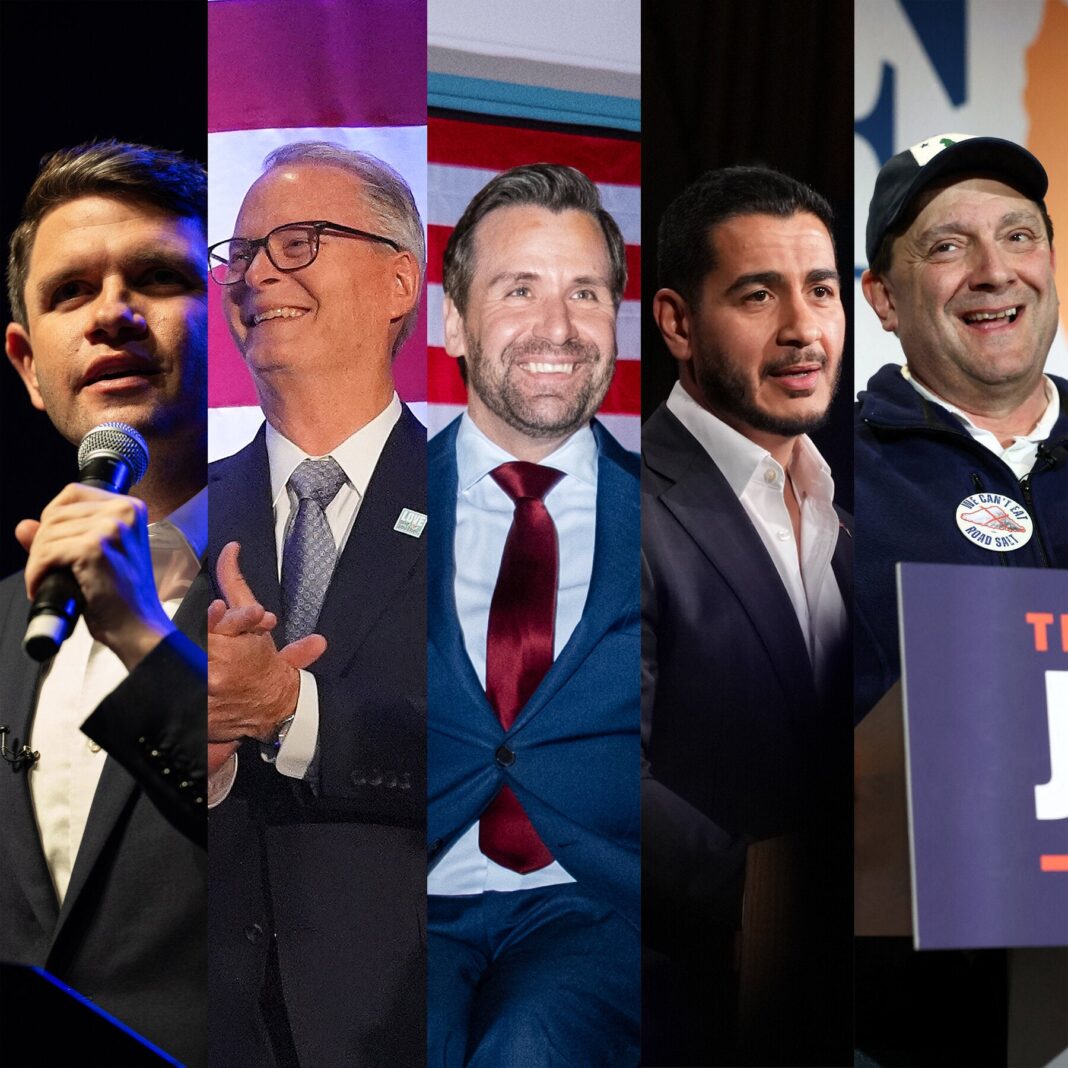
Democrats are moving quickly to shape the party’s direction after midterm victories reshaped its political standing. Factions that have clashed for years now see a opening to define what comes next. The debate centers on whether to appeal to the middle or push a more liberal agenda.
Party leaders are using the midterm results as evidence for their preferred strategy. Centrists argue that wins in competitive districts prove moderation attracts swing voters. Progressives counter that strong turnout shows grassroots demand for bolder policies.
The internal fight extends to the 2028 presidential race, where early positioning has already begun. Potential candidates are quietly testing messages that align with different wings of the party. Each side wants to lock in support before the field takes shape.
Relationships between the factions remain strained despite the shared election success. Long-running disputes over health care, climate policy, and spending priorities have not faded. The midterms gave both sides fresh talking points rather than a clear mandate.
Grassroots groups are pressing their case through organizing and fundraising. Centrist organizations point to district-level results as proof their approach works. Progressive groups say voter energy came from candidates who championed ambitious reforms.
Party committees face pressure to set rules and priorities that favor one approach over another. Decisions about messaging, candidate recruitment, and resource allocation will signal the party’s trajectory. Those choices carry consequences for the next election cycle.
The outcome of this struggle will determine how Democrats present themselves to voters nationwide. A centrist tilt could broaden appeal in swing areas but risk alienating the base. A leftward shift could energize supporters while complicating races in moderate districts.