Democrats are now actively pursuing gerrymandering in Virginia. This marks a significant shift from their historical opposition to the practice. The party seeks a strategic advantage in upcoming elections.
Party leaders cite former President Donald Trump’s tactics as a primary reason for the change. They argue a more aggressive approach is now necessary for political survival. This reflects a broader national trend in political strategy.
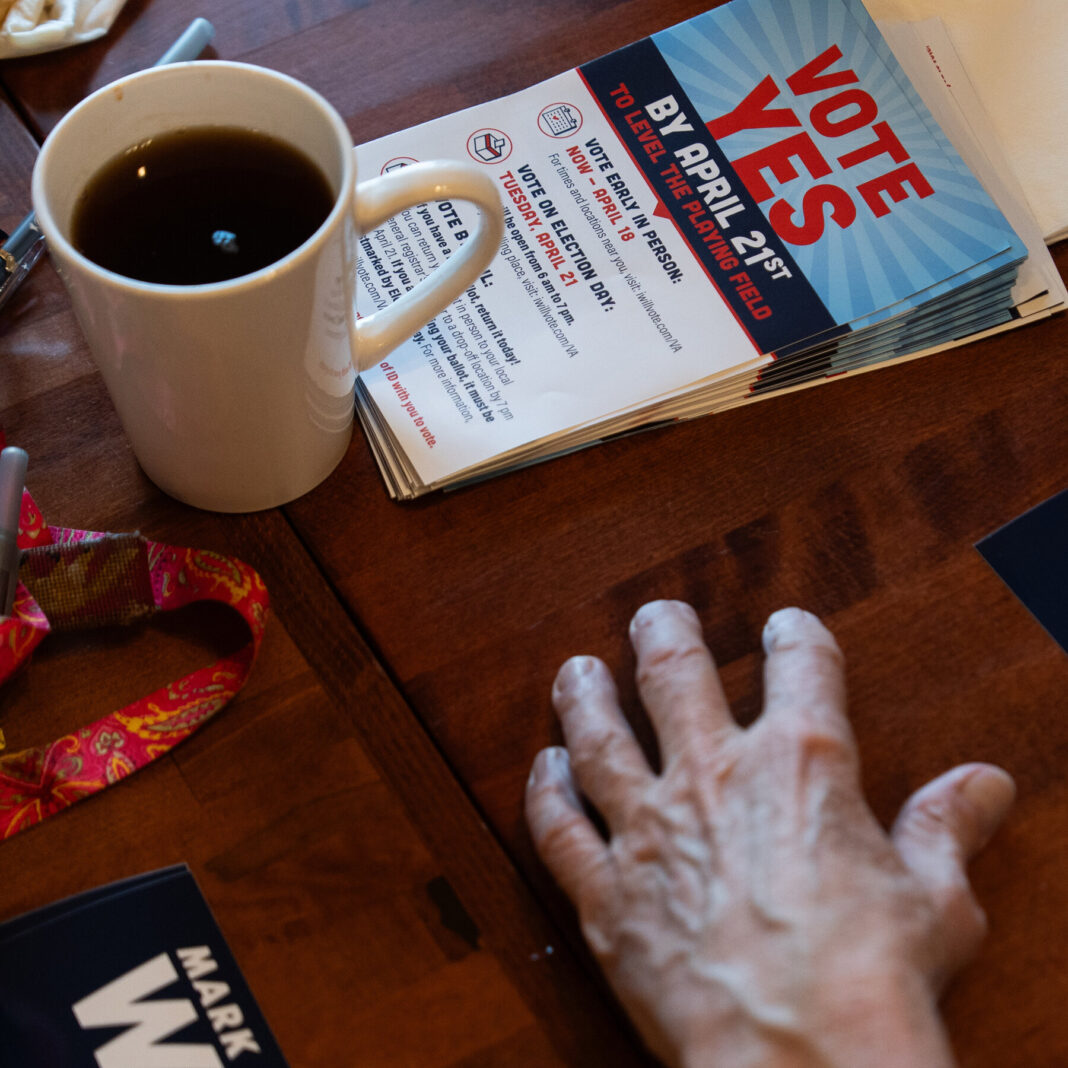
The move centers on a Virginia referendum concerning political map-drawing. Democrats aim to influence the process to favor their candidates. This could reshape the state’s political landscape for years.
This strategic reversal highlights how electoral calculations can override principle. Both major parties have engaged in gerrymandering when in power. The practice remains a contentious tool for securing political control.
Critics argue this perpetuates a cycle of partisan map manipulation. It can undermine fair representation and voter choice. The focus shifts from voters selecting politicians to politicians selecting voters.
The Virginia effort demonstrates how national politics influence state-level actions. Fears about one party’s tactics are used to justify adopting those same tactics. This escalates the political arms race over district boundaries.
Ultimately, this push shows gerrymandering’s enduring role in American politics. When gaining power is the goal, previous stances can be quickly abandoned. The debate over fair maps continues amid these maneuvers.