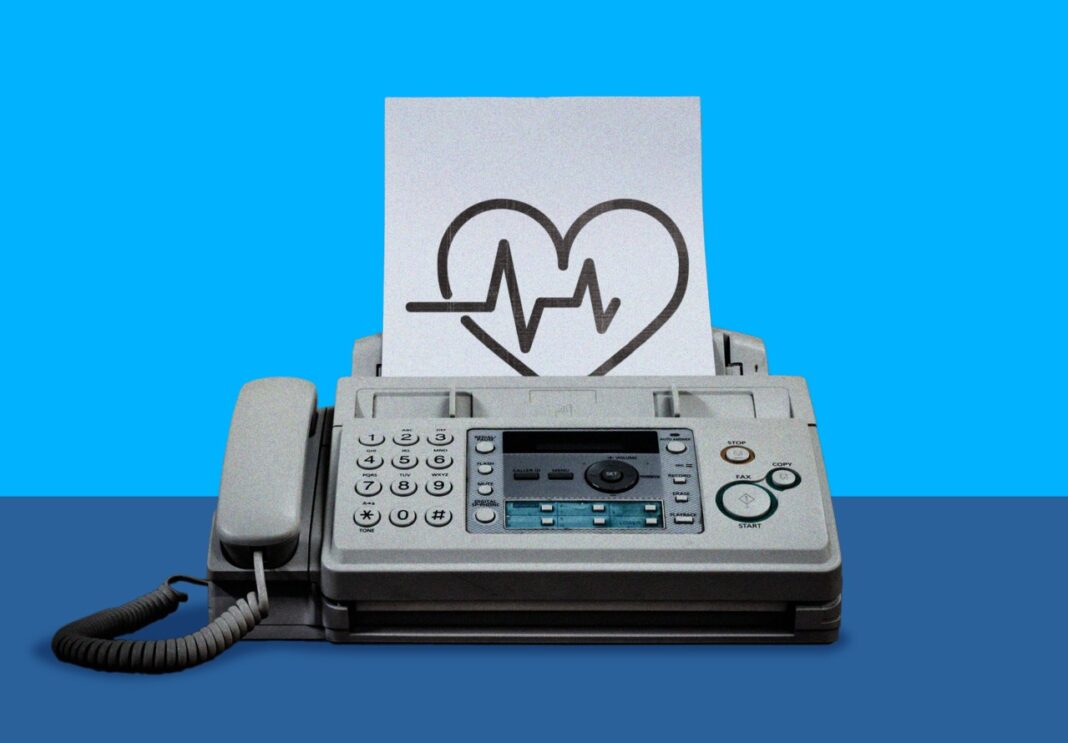
Hospitals across the United States continue to depend on outdated technology like fax machines and photocopiers. This reliance on analog systems persists even as artificial intelligence and digital tools have transformed other industries.
The use of fax machines creates significant inefficiencies in patient care. Medical records, test results, and referral forms are often printed, faxed, and then re-scanned into digital systems. This process introduces delays and increases the risk of lost or misdirected documents.
These analog practices directly impact patient costs. When information moves slowly between providers, patients may undergo duplicate tests or experience longer wait times for treatment. Each unnecessary test adds to the overall expense of care.
The health care system’s slow adoption of digital record sharing stems from several factors. Competing electronic health record systems often do not communicate with each other. Privacy regulations also create caution, though secure digital alternatives exist.
Some hospitals have begun moving toward interoperable digital platforms. These systems allow immediate, secure sharing of patient data between different providers. Early adopters report faster diagnoses and reduced administrative burdens.
The federal government has pushed for greater digital integration through incentive programs. However, progress remains uneven across the country. Smaller hospitals and rural clinics are often the slowest to upgrade their technology.
Patients can take steps to protect themselves from these inefficiencies. Keeping personal copies of medical records and asking providers about their data-sharing capabilities can help. Demanding digital access to personal health information also encourages hospitals to modernize.
The gap between available technology and current hospital practices continues to cost the system billions annually. Until the health care industry fully commits to replacing fax machines, these expenses will remain a burden on patients and providers alike.