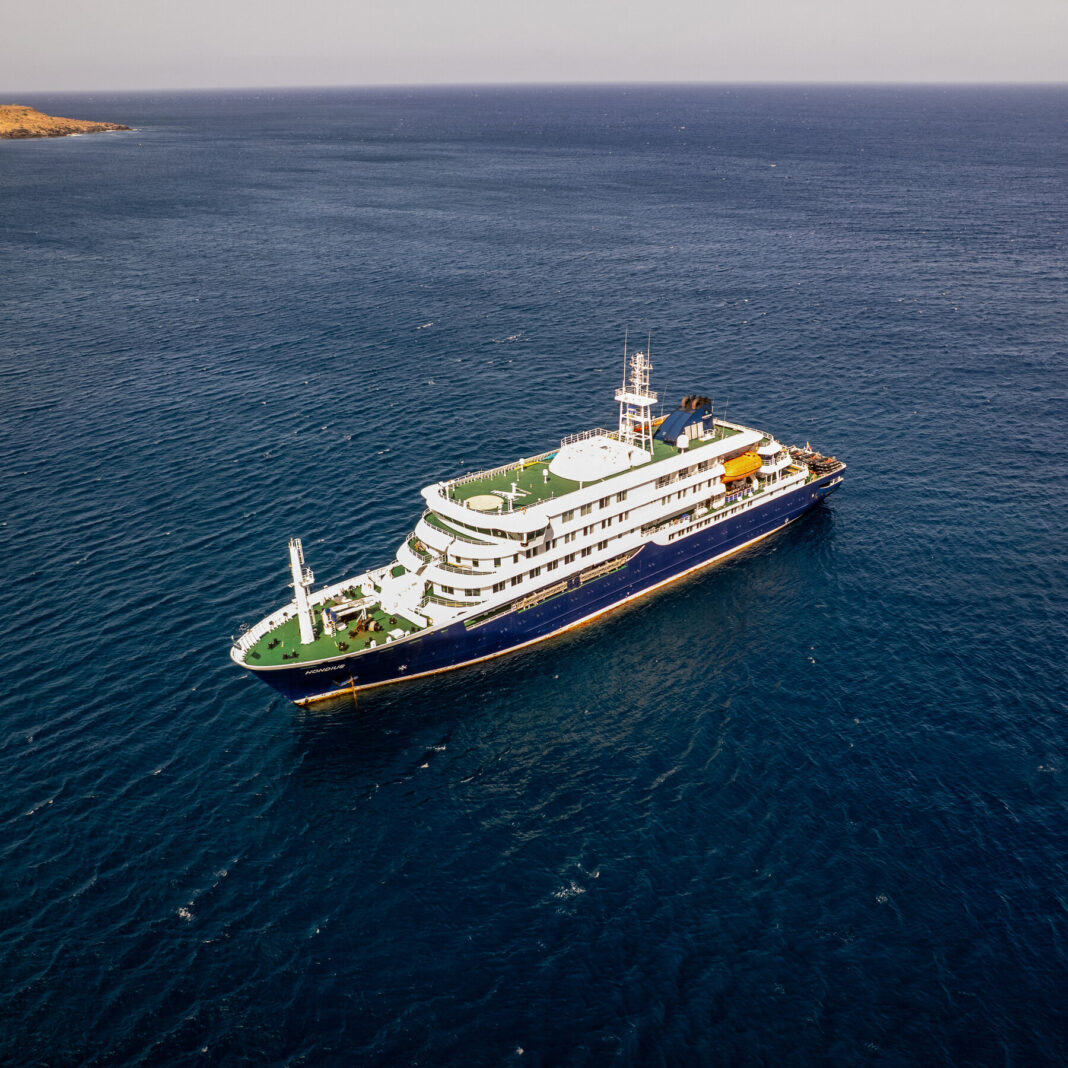
Before a recent hantavirus outbreak, the MV Hondius was known for attracting a different type of traveler. The ship was specifically designed for wildlife expeditions rather than luxury cruises. Former passengers describe the vessel as a purpose-built platform for polar exploration.
Passengers note that the crew took safety very seriously during normal operations. The ship offered an intimate experience close to nature in remote environments. Travelers often chose the Hondius for its focus on education and scientific observation.
The outbreak has shifted the ship’s public image from expedition vessel to a site of health concern. Details about how the virus spread on board remain under investigation. Officials are working to trace all recent contacts and passenger movements.
Former travelers recall the ship’s strong emphasis on safety briefings and procedures. The crew regularly conducted drills and maintained strict hygiene protocols. Passengers considered these measures a standard part of the expedition experience.
The MV Hondius typically operates in Antarctica and the Arctic regions. Its itineraries focus on remote landscapes and wildlife viewing opportunities. The ship’s design prioritizes stability and environmental sustainability over passenger amenities.
The current outbreak raises questions about disease prevention in isolated travel settings. Ship operators now face increased scrutiny from health authorities. Industry experts are reviewing ventilation systems and medical response plans for expedition vessels.
The hantavirus situation continues to develop as more information emerges. Authorities advise monitoring developments closely for those with past travel on the ship. The incident highlights unique challenges for expeditions in remote polar regions.