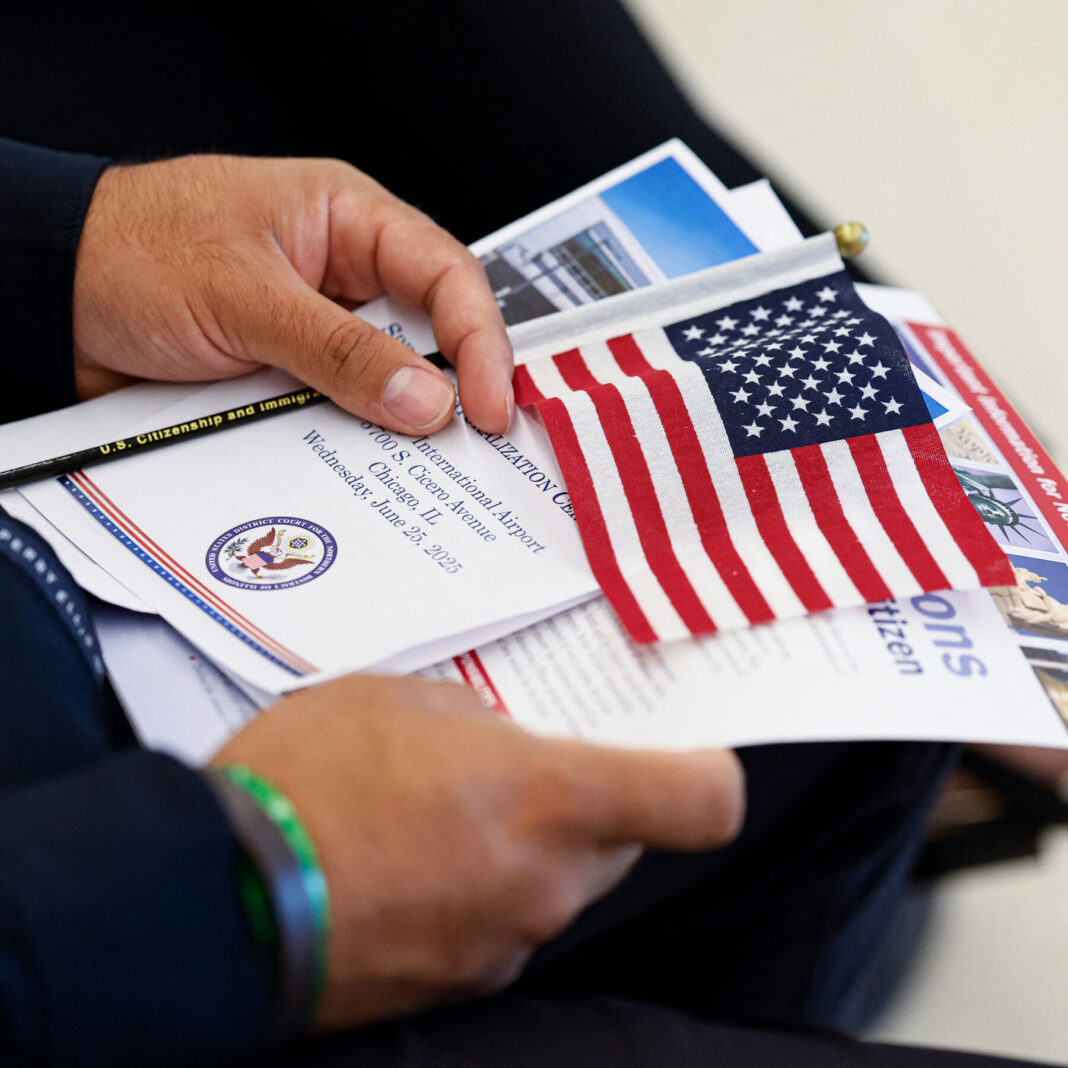
The Trump administration has identified 12 naturalized U.S. citizens for potential removal of their citizenship. These individuals are accused of fraud or other misconduct that could legally justify denaturalization.
Denaturalization is a rare legal process that strips citizenship from those who obtained it improperly. Historically, it has been invoked sparingly due to its severe consequences.
The targeted individuals now face government allegations tied to their original citizenship applications. Authorities claim these cases involve misrepresentations or illegal acts during the naturalization process.
Such actions represent a significant shift in immigration enforcement under the current administration. Previous administrations rarely pursued denaturalization as a standard policy tool.
Civil rights advocates have raised concerns about the scope and fairness of these cases. They argue that the process can disproportionately affect immigrants who integrated into society decades ago.
The government maintains that protecting the integrity of citizenship requires strict oversight. Officials emphasize that revoking citizenship is reserved for clear violations of immigration laws.
Each case will proceed through federal court, where the burden of proof lies with the government. Legal experts note that successful denaturalization demands compelling evidence of intentional fraud.
The outcome of these 12 cases could set precedents for future immigration policy. Observers expect legal battles to shape how aggressively future administrations pursue citizenship revocation.