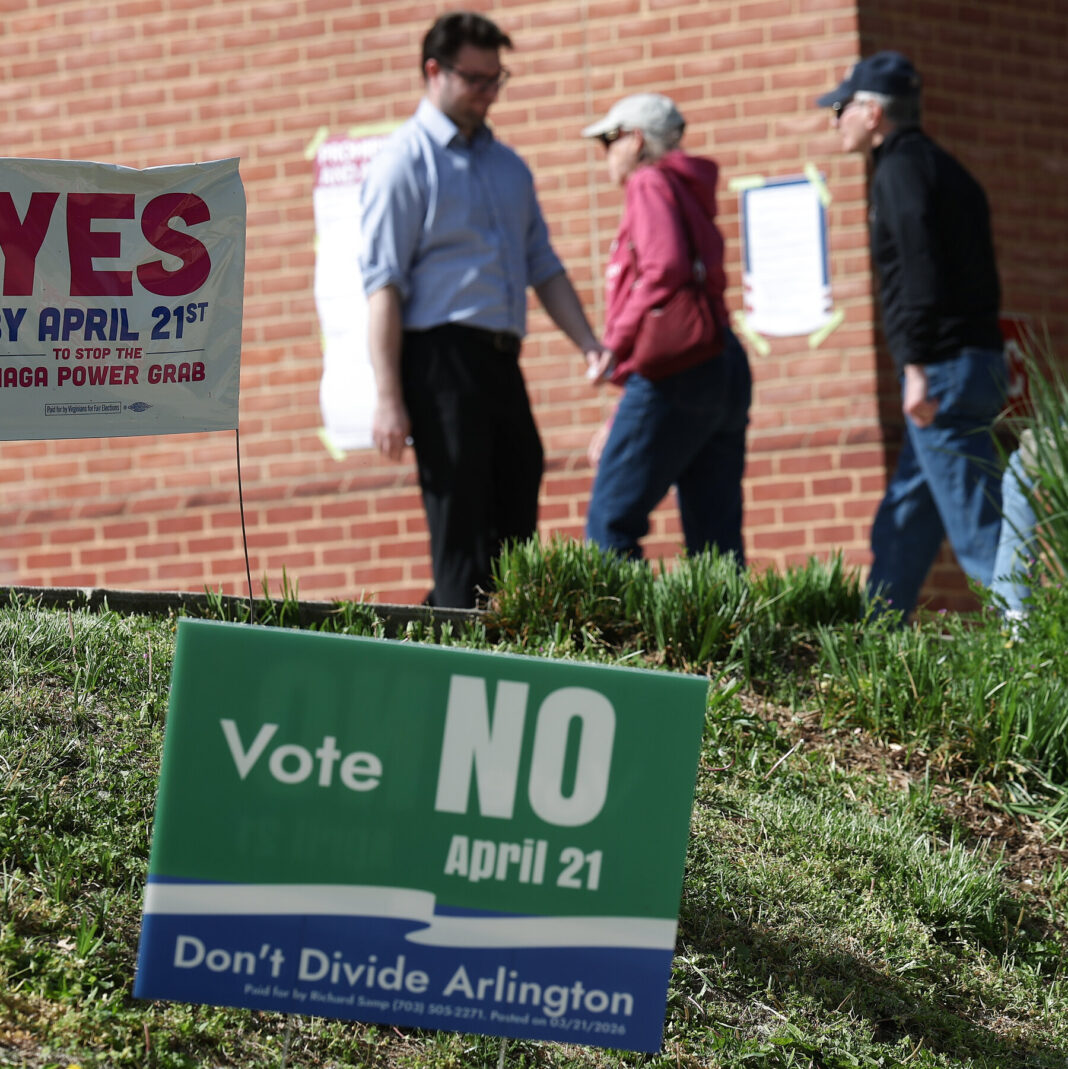
The Virginia Supreme Court’s recent decision on gerrymandering offers a significant boost to Republican efforts to gain a structural edge through redistricting.
The ruling upheld a map that critics argue unfairly concentrates Democratic voters into fewer districts, reducing their overall electoral influence.
This decision marks a key victory for the state’s Republican lawmakers, who have long sought to solidify their majority in the legislature through district boundaries.
Legal experts note the court’s approval could set a precedent for similar challenges nationwide, potentially reshaping political power balances across multiple states.
The ruling comes amid ongoing debates over partisan gerrymandering, with advocates for fair maps warning it undermines democratic representation.
Supporters of the decision, however, contend it reflects legitimate political strategy, not illegal manipulation, under existing state constitutional standards.
Observers emphasize this case highlights the growing role of state courts in determining electoral outcomes when federal intervention remains limited.
The outcome is expected to influence upcoming election cycles, as both parties now adjust their campaign strategies based on the final map.
Voter advocacy groups have already pledged to push for state-level reforms, pushing back against what they see as a threat to competitive elections.
This development underscores the enduring tension between partisan interests and the principle of equal representation in American democracy.