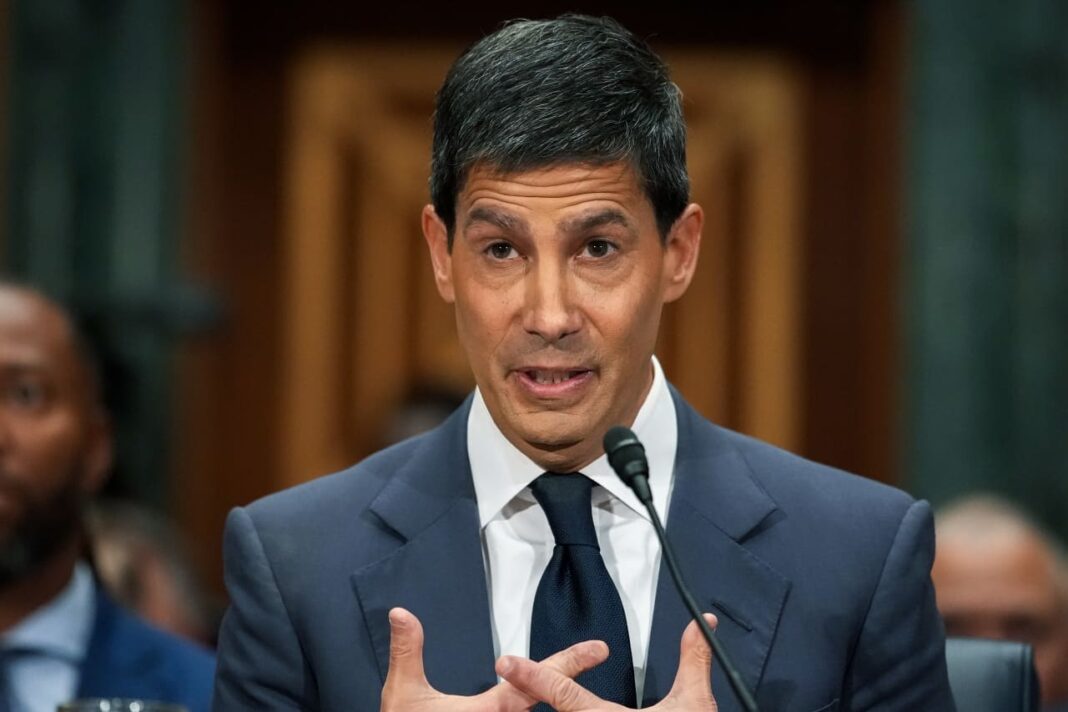
Kevin Warsh has made valid points regarding Federal Reserve reform, but his proposed solution for inflation carries significant risks. The former Fed governor’s analysis of the central bank’s structural issues aligns with many expert critiques. However, his approach to combating rising prices may lead policymakers astray.
Warsh argues that artificial intelligence will act as a powerful disinflationary force in the economy. This assumption forms the core of his inflation strategy. He believes AI-driven productivity gains will naturally lower prices across multiple sectors. Such a view suggests the Fed could ease monetary policy sooner than warranted.
The danger lies in assuming AI’s impact is guaranteed. While technological advancements can boost efficiency, their timing and scale remain uncertain. Counting on AI to automatically suppress inflation could prompt premature rate cuts. This would risk reigniting price pressures before the economy fully stabilizes.
Historical precedent shows that productivity revolutions often take years to materialize. The Fed’s past mistakes include acting too quickly on unproven economic theories. Warsh’s proposal echoes this pattern by betting heavily on a single technological outcome.
Central bank independence requires cautious decision-making based on current data. Relying on speculative forecasts about AI’s disinflationary power undermines this principle. Policymakers must balance reform with prudent risk management.
Reforming the Fed’s structure and processes remains important. But solving inflation demands evidence-based strategies, not faith in untested technologies. The central bank should maintain its focus on observable economic indicators.
Warsh correctly identifies areas where the Fed can improve. Yet his inflation cure risks creating new problems. The safest path involves gradual adjustments grounded in real-world outcomes, not technological predictions.