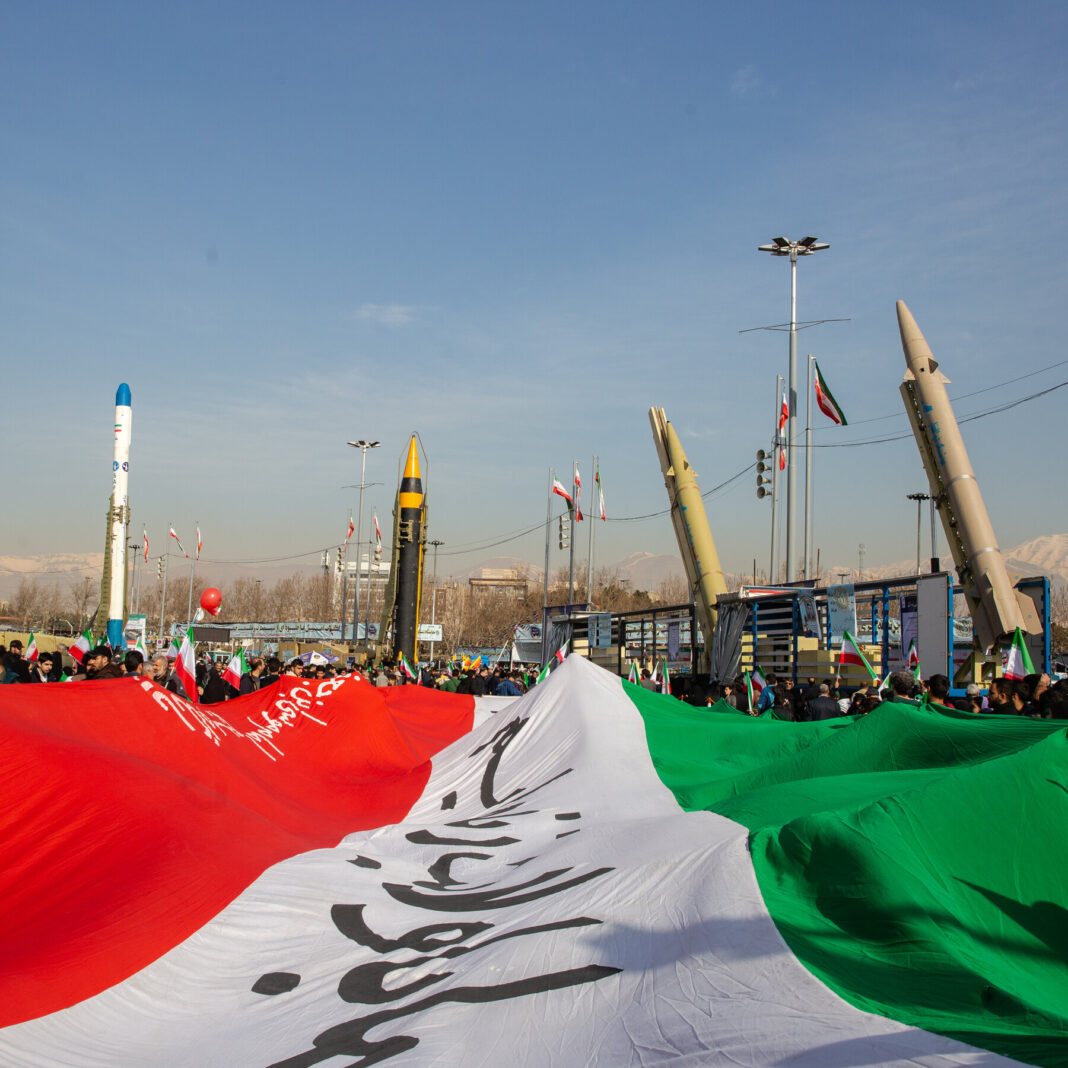
U.S. intelligence agencies have assessed that Iran retains significant operational control over its missile sites along the Strait of Hormuz. Secret new reports indicate Tehran has functional access to 30 out of its 33 missile launch positions in the region.
This finding contradicts claims made by President Trump that Iran’s military capabilities have been severely weakened. The assessment suggests the Islamic Republic’s forces remain far stronger than publicly asserted by the administration.
The Strait of Hormuz is a critical waterway for global oil shipments. Missile sites there provide Iran with the ability to threaten commercial shipping and military vessels.
U.S. intelligence officials shared the updated evaluation in classified briefings this week. The information challenges earlier assumptions that recent strikes or sanctions had degraded Iran’s missile network.
Analysts note that even a reduced number of operational sites poses a major strategic risk. Iran’s ability to launch coordinated strikes from most of its positions indicates a resilient military infrastructure.
The intelligence finding has fueled debate within the administration about the effectiveness of current policy. Some officials argue it underscores the need for continued diplomatic engagement rather than reliance on military pressure.
Iran’s missile program has long been a focal point of U.S. concerns in the Middle East. The new assessment raises questions about the accuracy of previous damage assessments following military actions.
The report did not specify what steps Iran might take if it perceives a direct threat. However, the operational status of its missile sites suggests readiness for potential escalation.
Iranian leaders have consistently denied seeking to close the Strait of Hormuz. Still, the capability to do so remains a key factor in regional military calculations.