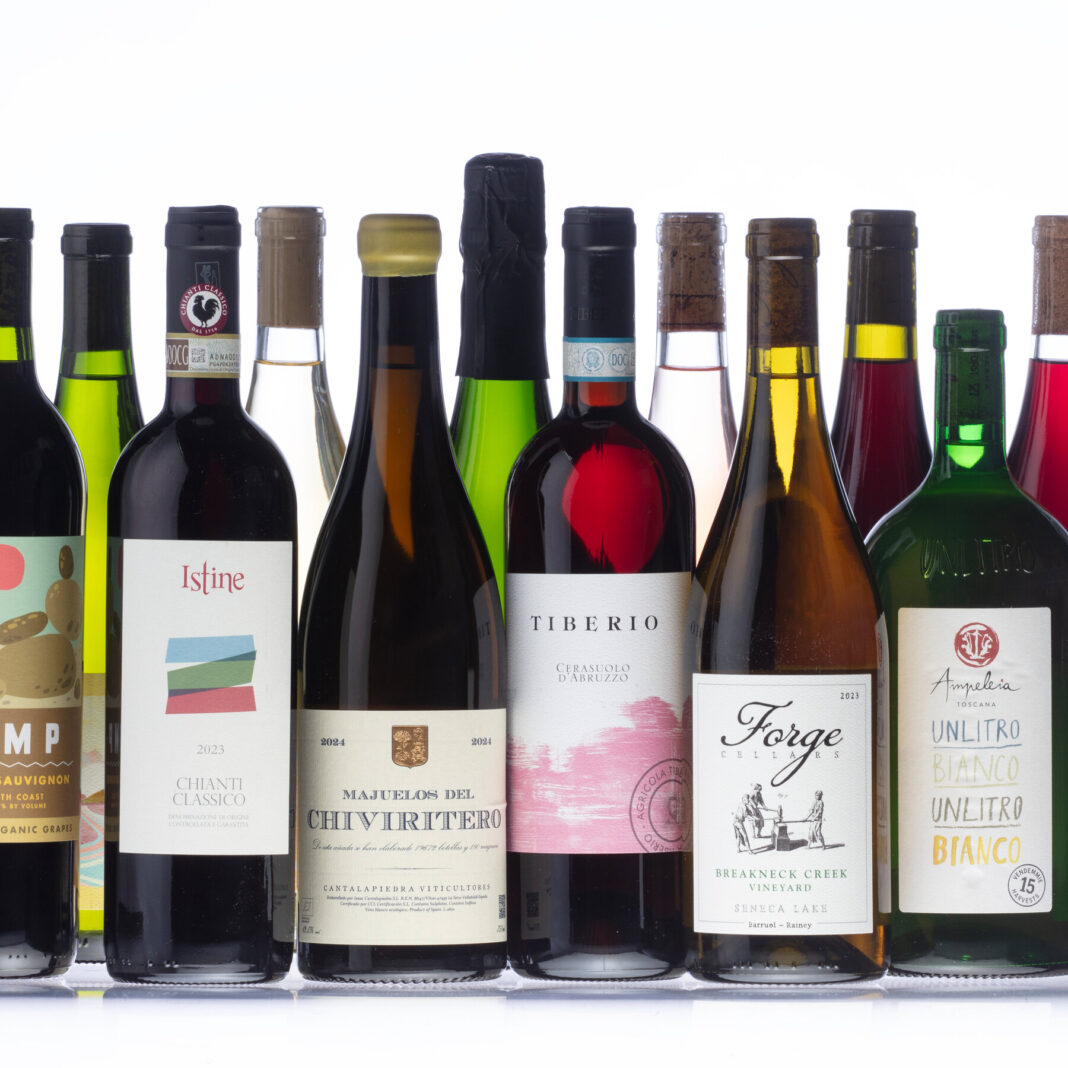
Summer drinking calls for a shift in perspective. The color of the wine matters far less than its weight and texture on the palate. Light, refreshing options often outperform heavier pours when temperatures climb.
The key is to look for wines with lower alcohol levels. High alcohol can feel cloying and heavy in the heat. Versions with moderate alcohol and crisp acidity offer a more cooling effect, making them ideal for warm days.
Texture plays a decisive role in the selection process. A wine with a silky, streamlined mouthfeel works better than one with a dense, viscous body. These lighter styles cleanse the palate and pair well with casual summer meals and outdoor settings.
While white wines frequently lead the conversation, they are not the only option. Many reds, particularly those with thin skins and lower tannins, can be served lightly chilled. This approach highlights their fresh fruit notes and provides a refreshing twist on traditional summer choices.
Sparkling wines also deserve attention during the warmer months. Their inherent effervescence adds a lively, palate-cleansing quality that complements hot weather. Options range from dry bruts to fruitier styles, giving drinkers flexibility based on the occasion.
A simple rule applies across the board: favor beverages that feel light and energetic. Whether a wine is white, pink, or red, its ability to refresh becomes the primary criterion. This practical approach simplifies the selection process for consumers and hosts alike.
Store these bottles in a cool spot before serving. A slight chill enhances their vibrancy and masks any heaviness that might emerge at room temperature. This step costs little effort but significantly improves the overall drinking experience.
Ultimately, the best summer wine is one that disappears quickly from the glass. Prioritizing feel over hue ensures satisfaction in the heat. Trying a few unexpected picks can turn an average afternoon into a memorable one.