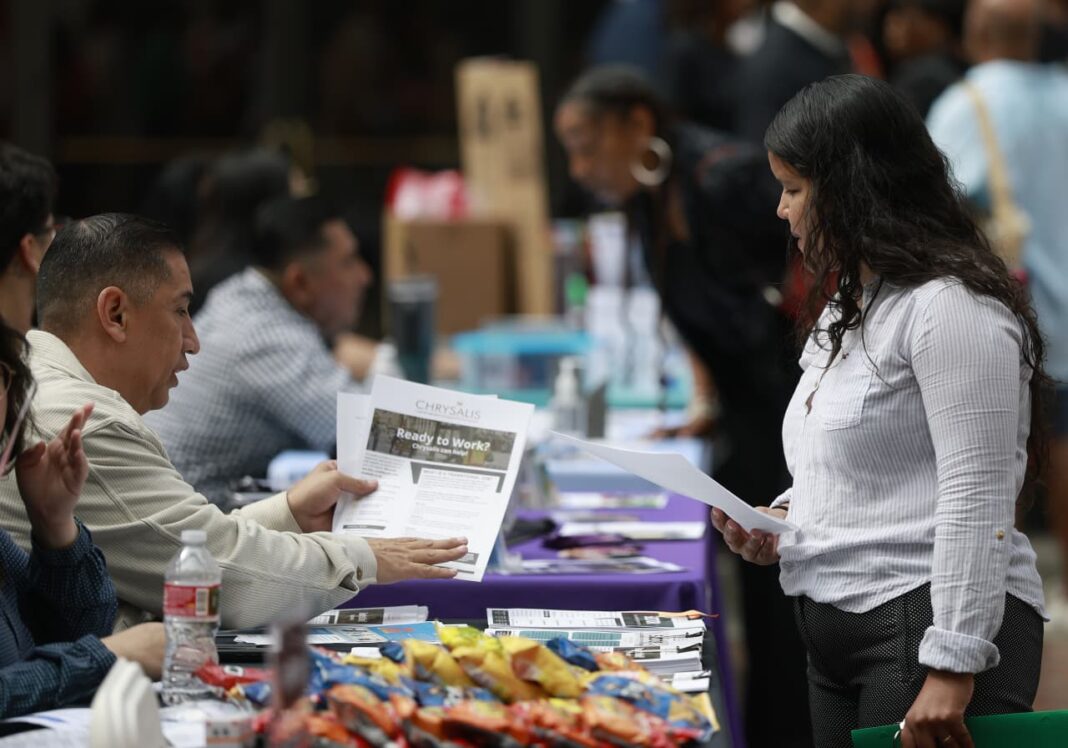
The American workforce has shrunk by more than one million people over the past year. The share of working-age adults who are employed or actively seeking work has dropped to its lowest level since the pandemic. The July jobs report delivered a series of disappointing figures.
The labor force participation rate now sits at a level not seen since the height of COVID-19 disruptions. This metric measures the percentage of the population that is either working or unemployed but looking for a job. A sustained decline in this number signals that many individuals have simply stopped searching.
Several factors contribute to this exodus from the labor market. An aging population continues to drive a wave of retirements, removing experienced workers from the payroll. Health concerns and long-term illness also remain significant hurdles that keep potential employees on the sidelines.
The data points to a cooling job market that offers fewer opportunities for those on the fence. When job openings become scarcer or less attractive, some workers choose to drop out entirely rather than settle. This dynamic creates a feedback loop that can further reduce the overall participation rate.
Wage growth has also shown signs of slowing, which may reduce the incentive for people to re-enter the workforce. For many, the cost of childcare or transportation can outweigh the benefits of a lower-paying job. These economic calculations are pushing more households to rely on a single income or other means.
A shrinking workforce puts pressure on businesses that are still trying to fill positions. Employers may face higher labor costs as they compete for a smaller pool of available talent. However, the trend also echoes the broader slowdown in hiring activity reported across various sectors.
Economists watch this number closely because it reflects the long-term health of the economy. A persistently low participation rate can cap economic growth potential. The recent data suggests that the recovery from the pandemic labor shortage has stalled in some respects.
The report indicates that policymakers may need to address the structural barriers that keep workers out. Issues like affordable housing, childcare access, and healthcare costs play a role in individual decisions to work. Without changes, the workforce could remain smaller for an extended period.
The overall picture from the report is one of caution. While the unemployment rate remains relatively stable, the shrinking pool of active workers complicates the outlook. Analysts will be watching the next several reports to see if this is a temporary dip or a longer-lasting trend.