Mail-Order Abortions Have Quickly Become Common
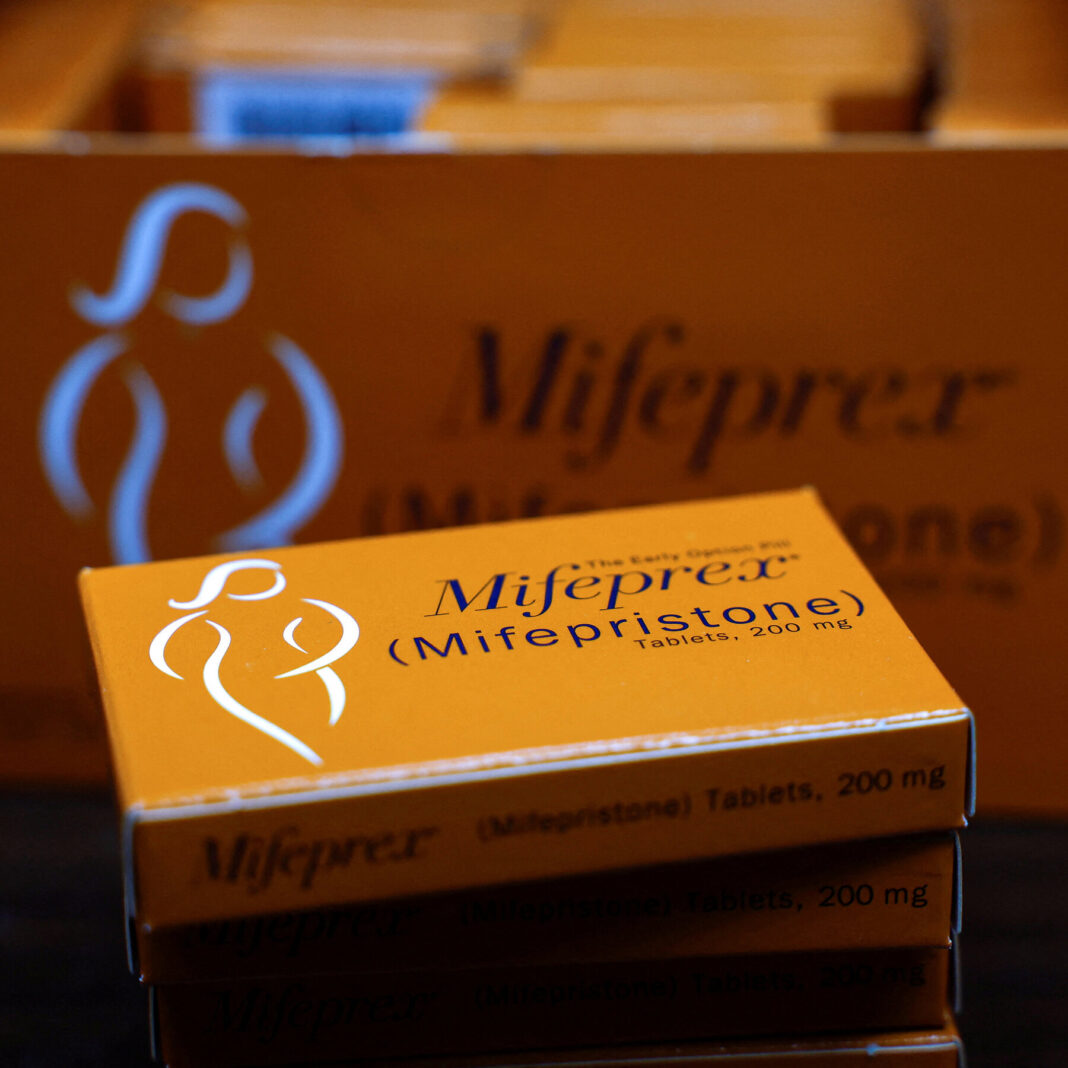
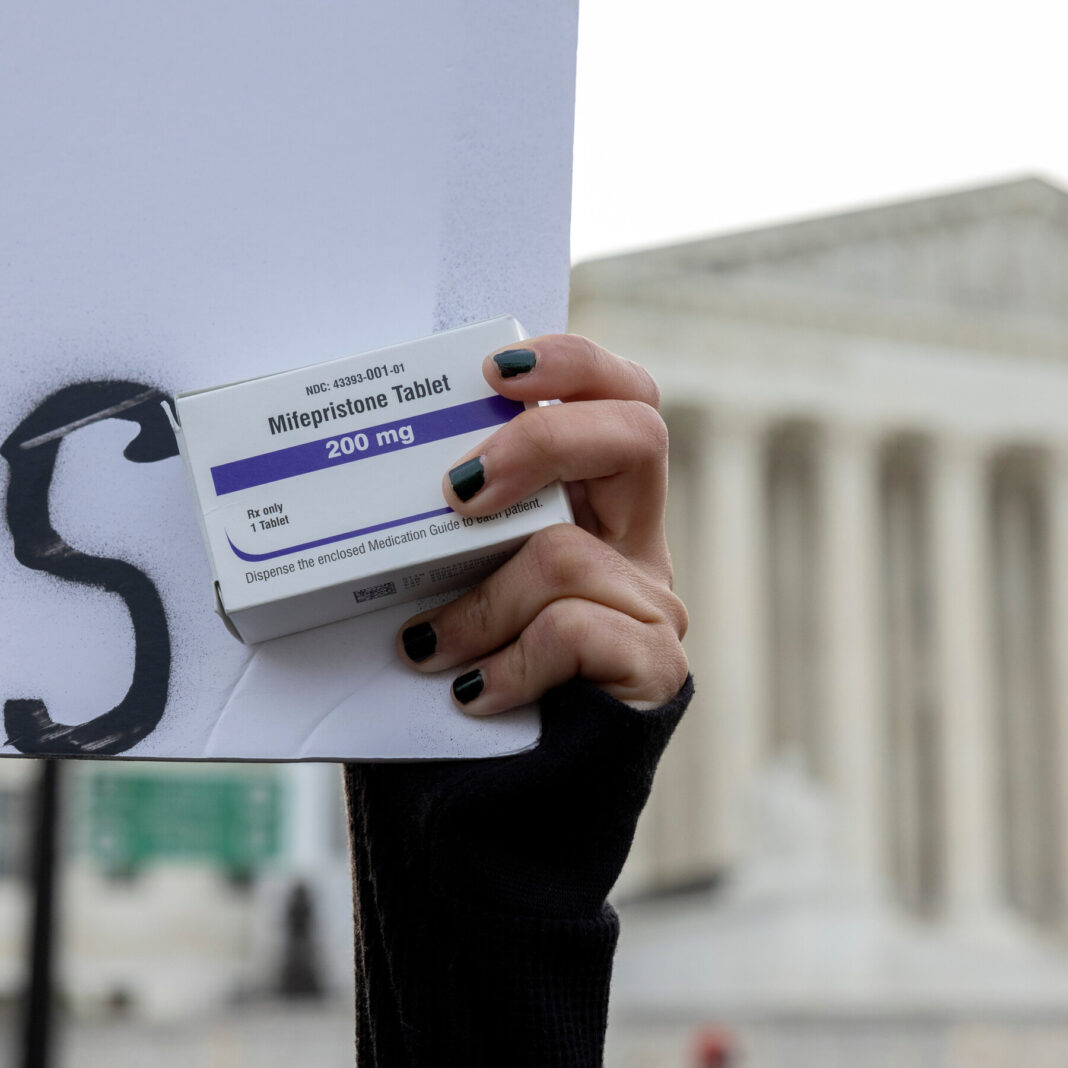
Pills shipped to states with abortion bans are now a major reason why the national abortion rate has increased since the Supreme Court overturned Roe v. Wade.
The shift toward self-managed abortion using medication has accelerated rapidly. Data shows that thousands of patients in restrictive states have received pills through telehealth services based in states with protective laws.
This distribution model bypasses traditional clinic visits. Patients consult with providers virtually, then receive the medication by mail, often within days.
Legal challenges have not stopped the flow of pills. Despite state-level bans, enforcement remains difficult due to the private nature of mail delivery and the wide availability of online services.
Supporters argue this access is critical for reproductive autonomy. Critics raise concerns about medical oversight and potential legal consequences for patients or providers.
The trend reflects a broader change in how abortion care is obtained. Medication abortion now accounts for a majority of all abortions in the United States.
Clinics in states with legal protections report seeing more out-of-state patients. However, mail-order services have proven even more accessible for those unable to travel.
The long-term impact of this practice remains uncertain as courts continue to consider challenges to both state bans and federal regulations on the pills.