Millennial-era retail brands once championed ethical production and environmental responsibility. Consumers were told that transparency and sustainability were the future of shopping. Today, lower prices have overtaken those founding principles.
Everlane, a pioneer in “radical transparency,” is reportedly being sold to Shein. Shein is a fast-fashion giant known for low-cost, high-volume production. The deal marks a sharp departure from Everlane’s original mission.
Depop, a peer-to-peer marketplace beloved for its vintage and second-hand clothing, was sold at a markdown. Its valuation dropped significantly after its acquisition. The platform once embodied the circular fashion movement.
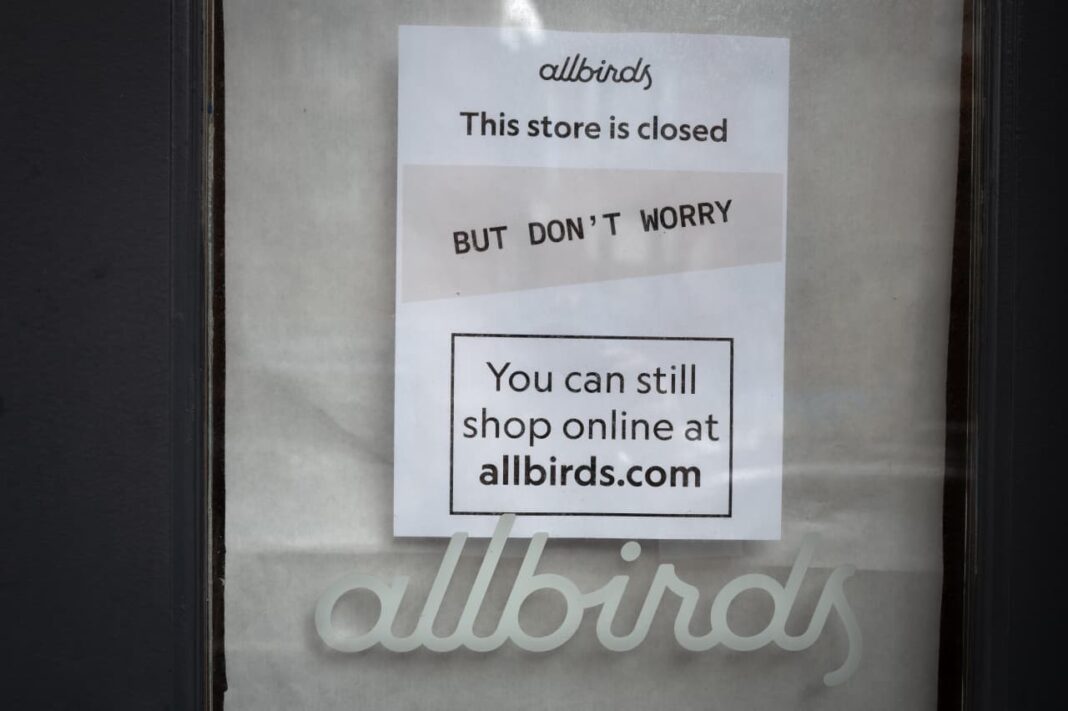
Allbirds, the footwear company built on sustainable materials like merino wool, has pivoted to artificial intelligence. The brand is exploring new business models beyond eco-friendly shoes. Its shift signals a broader retreat from sustainability-first branding.
Economic pressures have reshaped consumer priorities. Rising inflation and cost-of-living concerns make price the primary factor for many shoppers. Ethical and environmental benefits have become secondary considerations.
The fashion industry is reacting to this shift in demand. Investors are favoring companies that prioritize scale and affordability over values. This trend challenges the viability of mission-driven retail in a price-sensitive market.
Sustainable fashion faces a difficult crossroads. Brands must balance their founding principles with market realities. The future may require new strategies that integrate ethical goals with competitive pricing.