Wisconsin’s Democratic primary for governor concluded with a dramatic finish, capping a volatile race that reshaped the party’s internal dynamics. The contest ended on Tuesday, leaving voters with a clear nominee after months of shifting alliances and policy clashes. The outcome signals a significant ideological shift within the state’s Democratic base.
The party is now poised to nominate a democratic socialist, a development that few political observers anticipated at the start of the campaign. This choice reflects a broader movement among progressive activists who demanded more aggressive action on economic inequality and healthcare reform. The winning candidate built a coalition of younger voters and union members disenchanted with centrist approaches.
The campaign trail was marked by sharp debates over funding for public schools, environmental regulations, and the role of corporate donations in politics. Candidates frequently traded accusations, with the front-runner facing scrutiny over past statements and voting records. These exchanges highlighted deep divisions between the moderate and progressive wings of the party.
Grassroots organizers played a pivotal role in driving turnout, utilizing door-to-door canvassing and digital outreach to energize first-time voters. Their efforts countered the traditional influence of established party networks, which struggled to consolidate support behind any single contender. The result was a narrow victory that underscores the electorate’s appetite for bold policy proposals.
Analysts note that this nomination could complicate the general election campaign, as the democratic socialist label may alienate independent voters in key swing regions. However, supporters argue that the candidate’s focus on kitchen-table issues like prescription drug pricing and paid leave has broad appeal. The general election is expected to be highly competitive, with the Republican incumbent already framing the race as a choice between extremes.
The primary’s conclusion marks a turning point for Wisconsin Democrats, who now must unify behind a nominee that divided the party during the spring. Local party leaders have called for unity, emphasizing shared goals over tactical differences. The coming weeks will test whether the progressive coalition can expand its reach beyond its core supporters.
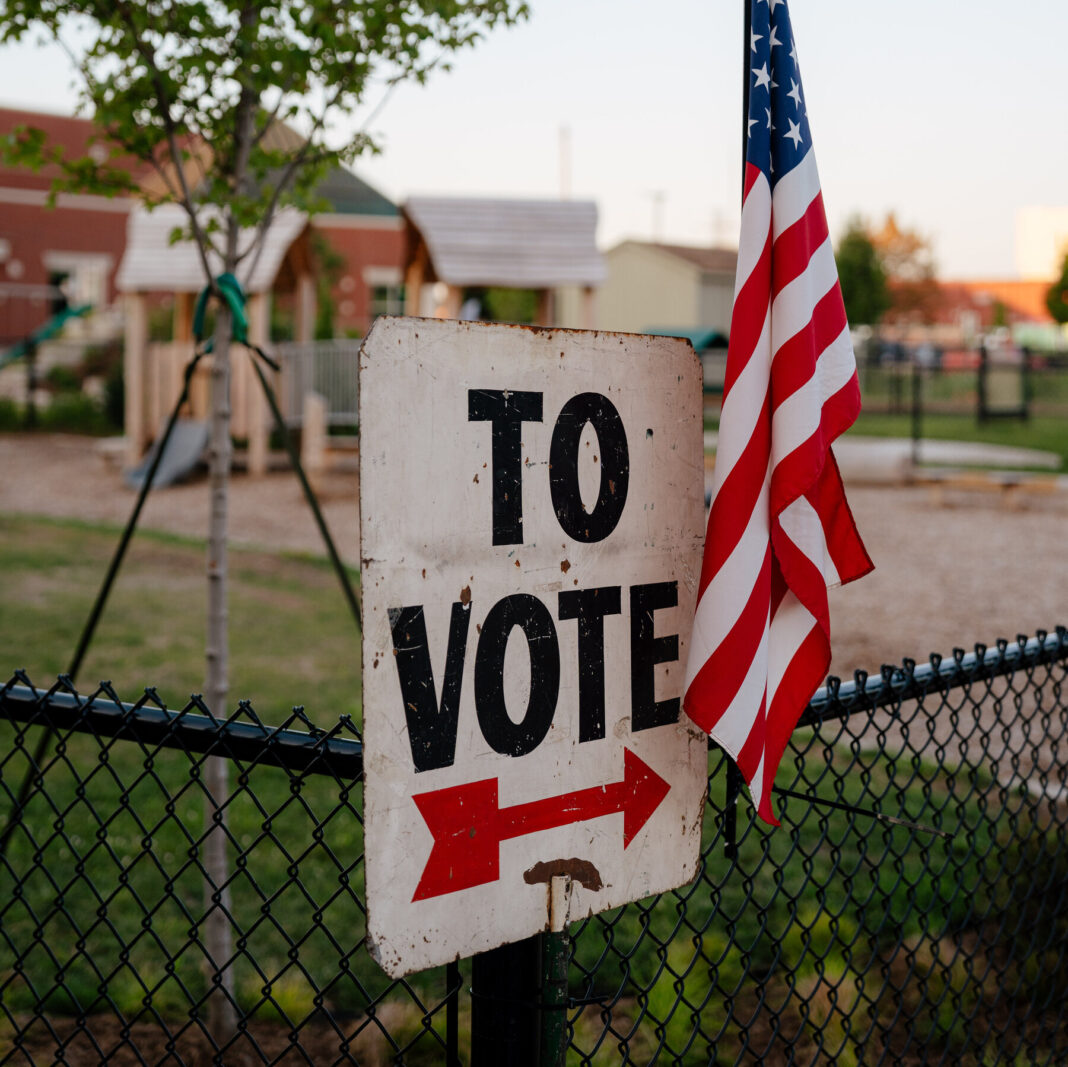
Turnout surpassed initial forecasts, driven by intense interest in the gubernatorial race and a parallel contest for attorney general. Election officials reported smooth voting processes across the state’s 72 counties, with only minor delays in Milwaukee due to high volume. Final vote counts are expected within days, pending the certification of absentee ballots.
This primary result carries national implications, as Wisconsin remains a crucial battleground state in upcoming federal elections. The nominee’s platform could influence policy discussions within the national party. Observers will closely monitor the general election to gauge the viability of a progressive agenda in a politically divided state.